Oil Markets React as US-Iran Hormuz Deal Comes Into View
Markets moved sharply on Saturday after President Trump announced the outlines of a US-Iran agreement that would reopen the Strait of Hormuz — the transit corridor for roughly one-fifth of global oil trade.
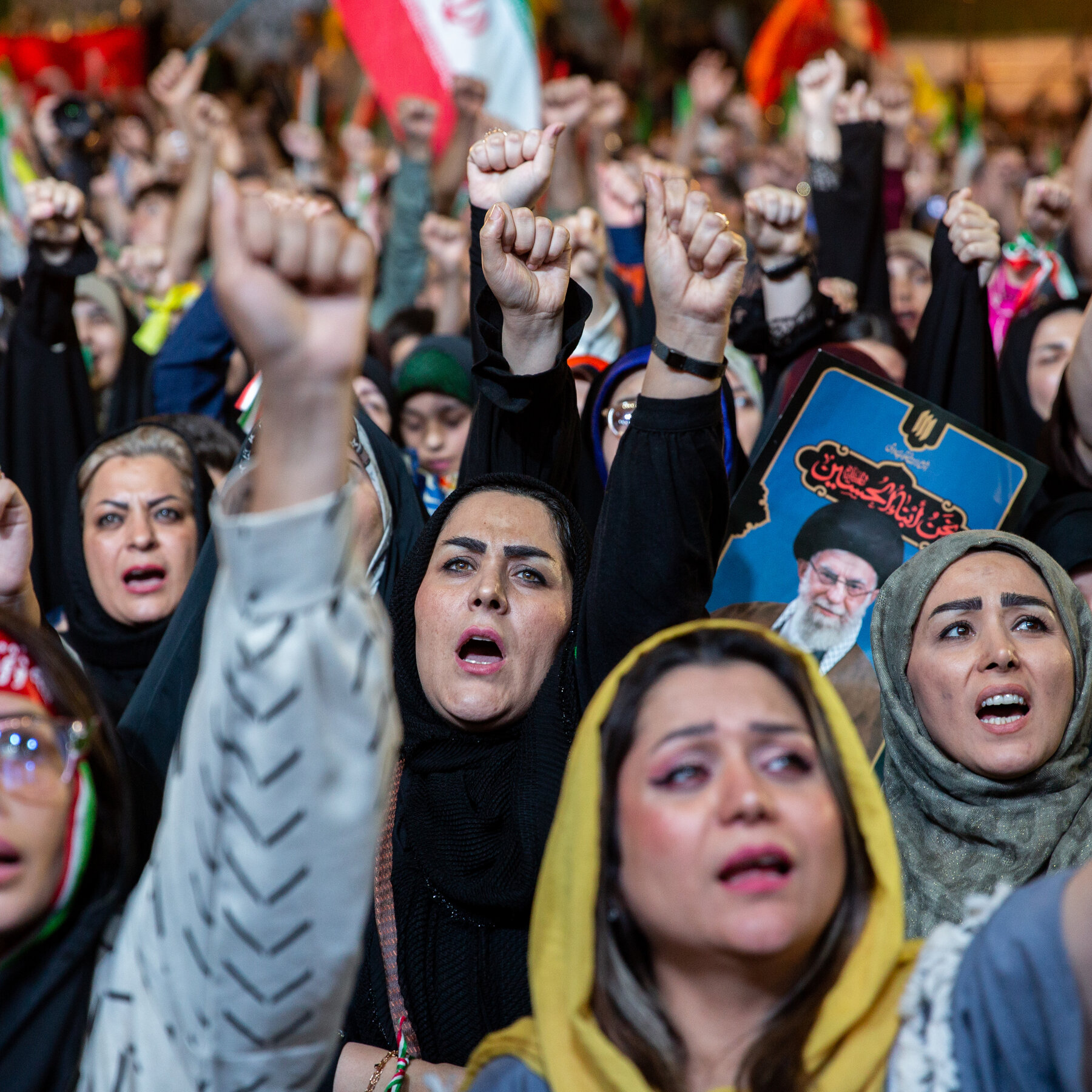
Oil prices slipped on Saturday after President Donald Trump announced that the United States and Iran had reached agreement in principle on a deal that would reopen the Strait of Hormuz to normal traffic. The announcement, confirmed by a US official speaking to The New York Times, sent Brent crude lower and triggered a swift repricing across energy futures as traders began discounting a potential supply-side relief valve in the Persian Gulf.
The confirmation marks the most concrete diplomatic signal yet that the two sides have moved beyond preliminary posturing toward a working framework. Trump said on Saturday the deal would include the reopening of Hormuz, without elaborating on further details. A Polymarket event tracking whether an Iran-Oman Hormuz agreement would be formalized by June 15 was created on Friday, reflecting market participants pricing in a non-trivial probability of formalization within weeks.
What the Deal Would Unblock
The Strait of Hormuz is the world's most consequential oil chokepoint. Roughly one-fifth of global oil trade transits its 21-mile-wide shipping channel between Oman and Iran, linking the Persian Gulf to the Gulf of Oman and the open ocean. Any disruption — whether military, political, or navigational — reverberates immediately through tanker rates, refinery dispatch decisions, and energy policy from Beijing to Berlin. The channel's strategic centrality is not abstract: when Iranian threats to close Hormuz surface in any serious form, oil spikes within hours.
The current agreement in principle, as described by the US official, would restore normal commercial navigation while establishing some form of monitoring or confidence-building mechanism involving Oman as intermediary. The details remain sparse. The sources do not specify what, if any, sanctions relief accompanies the agreement, whether any nuclear constraints apply, or what enforcement architecture is contemplated. These gaps matter enormously. A Hormuz deal without broader nuclear negotiations attached is a tactical de-escalation; one embedded in a renewed JCPOA framework would be a structural shift.
The Geopolitical Subtext
Diplomatic engagement between Washington and Tehran has been episodic and often brittle, but the structural incentives for both sides have sharpened considerably in 2026. Iran faces a fiscal crunch driven by sustained sanctions pressure and the collapse of its oil export volumes under secondary sanctions enforcement. The United States, meanwhile, confronts a White House that has signaled willingness to negotiate directly — departing from the maximalist pressure campaign of previous administrations — and an oil market that has proven sensitive to Middle Eastern supply disruption.
Oman's role as mediator is not incidental. Muscat has maintained discreet channels with both Washington and Tehran for decades, and Omani facilitation of Gulf de-escalation has precedent in earlier regional crises. The involvement of Oman as guarantor rather than formal signatory suggests both sides want an exit ramp that does not require direct bilateral signatures — a structure that preserves diplomatic deniability while delivering practical results.
Market Implications
The oil market reaction was immediate and measured. Prices fell on Saturday, with traders interpreting the deal framework as a signal that Hormuz will not be weaponized in the near term. That is a meaningful repricing: the risk premium embedded in Persian Gulf crude has been a persistent feature of energy markets since the escalation of tensions in the region. Removing that premium — even partially — changes the math for Asian refineries, European importers, and the tanker market that services them.
If sanctions relief is on the table, the calculus becomes more complex. A meaningful reduction in Iranian oil export restrictions would add supply to a market that has been disciplined by OPEC+ production cuts. China, Iran's largest crude customer throughout the sanctions period via non-dollar channels, would likely absorb the bulk of any volume increase. The effect on OPEC+ cohesion would be worth watching: Riyadh and Moscow have been the architects of production restraint; a resurgent Iranian export stream creates friction within that arrangement.
What Remains Uncertain
The sources do not specify the timeline for formal signing, the scope of any sanctions relief, or whether the Hormuz agreement is linked to progress on nuclear constraints. These are not minor omissions — they are the substance of any deal. It is also unclear how Israel and Saudi Arabia, the two regional powers most directly affected by Iranian geopolitical reach, have been briefed or whether their objections could complicate implementation. Regional actors with established security relationships with Washington will want assurance that an Iran normalization track does not come at their expense.
The Polymarket pricing on a formal agreement by June 15 suggests traders assign meaningful probability to rapid formalization. Whether that confidence is warranted depends entirely on whether the framework survives contact with the domestic political constraints on all sides — and whether the enforcement mechanisms are specific enough to deter the kind of tit-for-tat escalation that has derailed previous attempts.
This article represents Monexus's independent reporting on the developing situation. All factual claims are drawn from publicly available sources as of 25 May 2026.
Wire provenance
This editorial synthesis draws on the following public wire/social posts:
- https://x.com/unusual_whales/status/1923478569019490448
- https://t.me/LiveMint/892341