Oil Slides 5% on US-Iran Deal Optimism. The Market Is Already Pricing In a Structural Shift.
Brent crude fell to a two-week low on May 24 after Axios reported tangible progress in back-channel US-Iran negotiations — but the more telling signal may be what markets are pricing for the decade after.
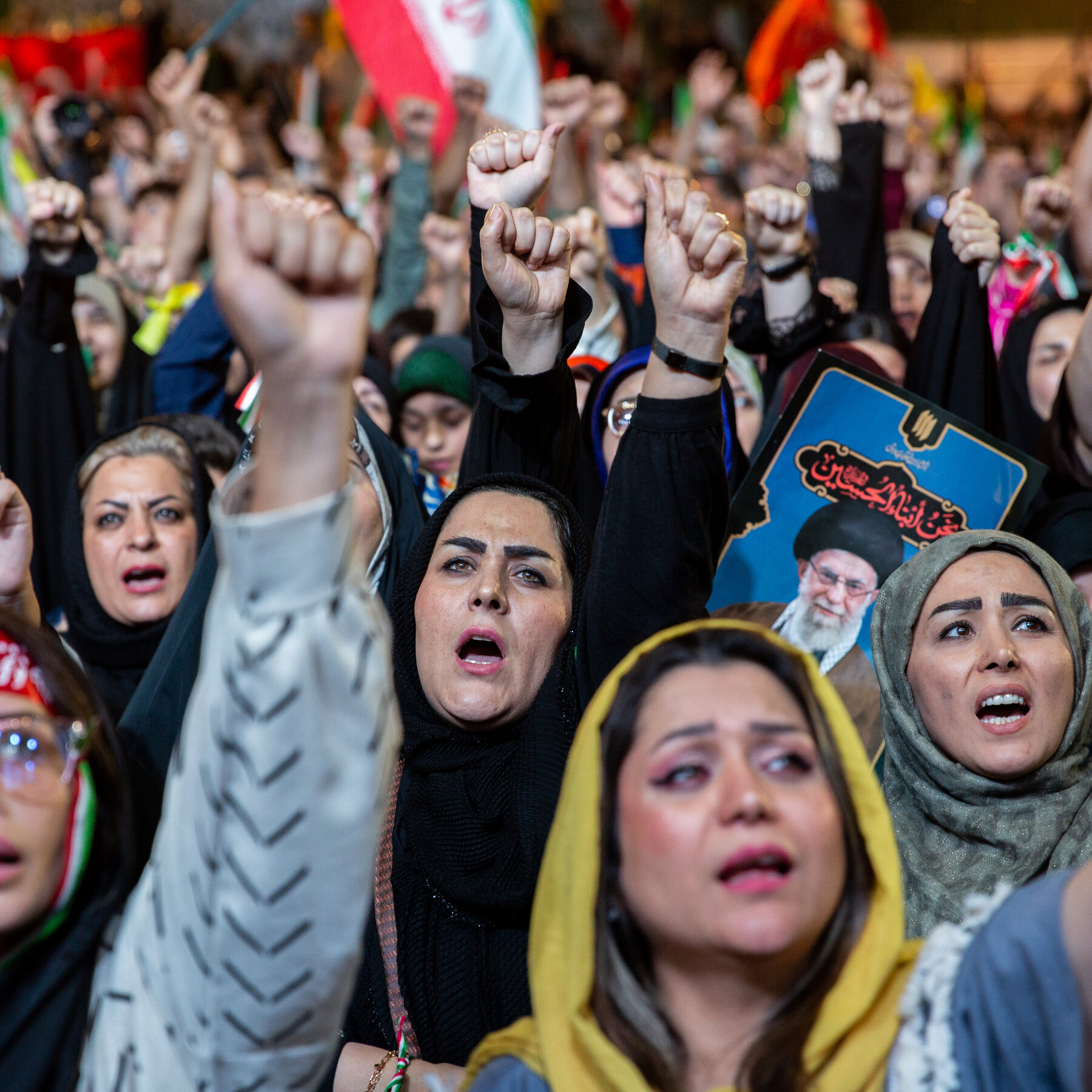
Brent crude fell nearly 5% to a two-week low on May 24, 2026, after reporting surfaced of genuine momentum in back-channel US-Iran negotiations. The move wiped out weeks of gains in hours. Traders did not wait for a deal to be signed — they moved on the signal.
The immediate catalyst was a report by Axios's Barak Ravid detailing substantive progress in indirect talks, covering both nuclear constraints and sanctions relief in a framework that both sides could present as non-capitulation. Whether that framework survives contact with domestic political pressures in Washington and Tehran remains the operative question. But the market, for once, was not behaving as if diplomacy were a risk-off hedge. It was behaving as if a structural shift were already underway.
The Diplomatic Signal
The Axios reporting — consistent with parallel accounts from regional wires — described an emerging framework in which Iran would accept enhanced monitoring of its enrichment programme in exchange for phased sanctions relief. That is not a new formula; versions of it have been proposed and collapsed before. What changed this time, according to several energy analysts cited across wire reports, was the combination of two factors: elevated oil inventories in OECD nations, which gave the White House breathing room to absorb a price dip, and a set of internal Iranian economic pressures — currency depreciation, fiscal strain at the central bank — that narrowed the regime's range of rhetorical defiance.
Neither side has confirmed the details. Iranian state media carried cautious statements consistent with the position that any agreement must be verifiable and自尊-preserving. The US State Department briefing on May 23 described the talks as "ongoing" without elaboration, which in diplomatic wire-speak is neither confirmation nor denial.
The oil market reaction, however, was more declarative than the briefings. A near-5% single-session drop in a commodity that moves on geopolitics is not noise — it is a crowd-sourced verdict on which direction the wind is blowing.
What a Deal Would Mean for the Energy Architecture
The surface story is about barrels. Iran sits on the world's fourth-largest proven oil reserves. Even a partial lifting of sanctions — the secondary sanctions regime targeting third-country entities dealing with Iranian oil — could add 1 to 1.5 million barrels per day to global supply within eighteen months, according to estimates cited across energy desks. That is enough to shift the OPEC+ calculus fundamentally and to compress the pricing power that Saudi Arabia and Russia have exercised through coordinated cuts since 2022.
But the more consequential long-term question is what the market is now beginning to price: that a US-Iran deal, if it holds, dismantles one of the structural pillars of dollar dominance in Middle Eastern energy commerce. Oil priced in dollars, settled through the SWIFT network, has long been an instrument of financial statecraft. Sanctions exemptions are the flip side of sanctions pressure — both depend on the dollar system's reach. A deal that ends the sanctions architecture does not end dollar pricing, but it does remove the enforcement mechanism that has, in practice, made the exemptions politically manageable for importing governments.
In the same news cycle, Coinbase CEO Brian Armstrong circulated an eight-point framework for upgrading the financial system, citing tokenisation, 24/7 settlement rails, and stablecoin infrastructure as structural improvements that reduce friction independent of any single currency regime. Whether or not Armstrong's prescription is adopted, the coincidence of timing is instructive: markets are beginning to hedge against a world in which the enforcement mechanisms behind dollar hegemony are less reliable than they have been for four decades.
The Crypto Angle — Infrastructure as Leverage
It would be a stretch to call cryptocurrency a clean winner from a US-Iran thaw. But the directional logic is coherent. Tokenised settlement rails, if they mature into credible infrastructure, offer a settlement layer that bypasses correspondent banking entirely — and therefore bypasses the sanctions compliance architecture that conventional banking depends on.
Armstrong's framework, as reported by Cointelegraph on May 25, described an upgrade agenda spanning tokenisation of real-world assets, continuous settlement, and regulatory clarity. None of this is new as a愿景. What has changed is the urgency calculus: a dollar system under structural pressure makes the alternative infrastructure case more cheaply.
Separately, Ethereum co-founder Vitalik Buterin described the Ethereum Foundation as repositioning toward a leaner operational model, with reduced ETH sales and a narrower focus on core protocol development. The timing — a week before a geopolitical event that could reshape commodity settlement architecture — may be coincidental. But the broader structural point stands: the crypto ecosystem is, at minimum, beginning to plan for a more multipolar financial world rather than a continued dollar monopoly.
The Iran angle cuts both ways on this. If a deal reduces sanctions-related demand for crypto rails, it reduces one tailwind for adoption. If it accelerates multipolar financial architecture by removing the diplomatic rationale for SWIFT-as-weapon, the net effect on crypto adoption is ambiguous — positive in the long run, uncertain in the medium term.
What the Market Is Actually Pricing
The 5% oil drop on May 24 is the headline. The more revealing signal is in the forward curve. Markets are not pricing a temporary diplomatic détente — they are pricing a change in the baseline risk premium for Middle Eastern energy supply that has been embedded in Brent since the 2019 sanctions intensification. If that premium compresses permanently, the downstream effects on petrostates' fiscal breakeven prices, on OPEC+ discipline, and on the investment thesis for US liquefied natural gas exports are substantial.
What remains uncertain is the durability of the diplomatic window. The Axios framework has a structure that both administrations can sell domestically — nuclear constraints paired with sanctions relief is the formula that has survived previous near-misses. Whether it survives a round of Congressional testimony or a hardliner response from Tehran is genuinely open. The market, in its overnight move, voted that it is more likely than not. That judgment will be tested quickly.
This desk covered the oil move as a structural signal rather than a transient risk-off event — the dominant wire framing treated it as a short-term diplomatic hedge; Monexus placed the longer financial architecture question at the centre of the story.
Wire provenance
This editorial synthesis draws on the following public wire/social posts:
- https://t.me/Cointelegraph/22456
- https://t.me/Cointelegraph/22456
- https://t.me/Cointelegraph/22456
- https://t.me/Cointelegraph/22456