Spain's 2026 World Cup Squad Makes History — With Zero Real Madrid Players
Spain head coach Luis de la Fuente named a 26-man squad for the 2026 World Cup on Monday that features Barcelona teenager Lamine Yamal but excludes every single Real Madrid player — a first in the modern era of Spanish football.
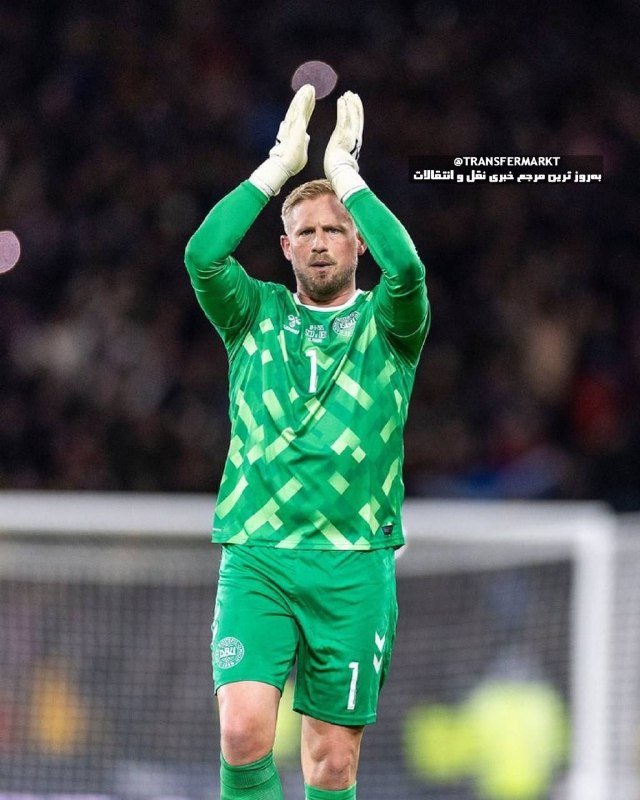
Spain head coach Luis de la Fuente named his 26-man squad for the 2026 World Cup on Monday, delivering a squad with no representation from Real Madrid — the first time in living memory that Spanish football's most decorated club has been entirely absent from a senior national-team selection for a major tournament.
The most closely watched inclusion was Barcelona's Lamine Yamal, the 18-year-old forward who sustained an ankle injury during the club's La Liga run-in. De la Fuente named him despite the injury, betting on his recovery timeline ahead of the tournament opening in June.
The absence of any Madrid players represents a striking break from decades of precedent. Real Madrid have been a permanent fixture in Spain's senior squads under every manager since the Franco era, their Bernabéu lineage embedded in the country's football identity as much as any tactical consideration. That a sitting head coach has chosen to omit them entirely is a decision that will reverberate through Spanish football's political and sporting layers for months.
Yamal Named Despite Injury
Lamine Yamal's presence in the squad — despite nursing a significant ankle injury — reflects de la Fuente's appetite for calculated risk. The Barcelona forward had been a doubt after going off injured in the penultimate round of La Liga fixtures. His fitness will be assessed in the coming weeks, with the tournament still weeks away.
Yamal, who turned 18 last year, has become Spanish football's most炙手可热 prospect since his senior debut at 16. His inclusion signals that de la Fuente is building a squad for the tournament's present rather than clinging to hierarchies that have begun to show age.
The recall of Mikel Merino, the Arsenal midfielder, adds experience to a squad otherwise skewed toward youth. Merino, who moved to north London last season, has been a consistent performer in England's top flight and brings a profile that complements the younger contingent.
A Break With Decades of Precedent
The political weight of the selection cannot be easily dismissed. Spain's national team has, across various eras, reflected the country's complex internal geography — Madrid's centrality to national institutions, Barcelona's identity as a counter-power, Basque and Catalan regionalism threading through squads. Real Madrid's presence in every squad since the 1980s was as much cultural as sporting.
De la Fuente's decision to go without them entirely is, whatever the sporting justification, a statement about what this Spain side wants to represent. The squad skews heavily toward Barcelona, Athletic Bilbao, and the Premier League — a configuration that speaks to where Spanish football's current energy lies rather than its historical centre of gravity.
The coach has not publicly addressed the Madrid omission in detail. His selections since taking the role have trended toward meritocracy over name recognition, but this is the most emphatic expression of that preference yet.
A Different Squad Architecture
De la Fuente's tenure has been defined by a deliberate move away from the star-system that characterised Spain's golden generation and, more recently, the post-2010 decline. The manager has shown willingness to reward players in good form regardless of club prestige — a trait that sits uneasily with Madrid's traditional influence over national-team politics.
Whether the absence of Madrid players creates internal friction depends on dynamics that are not yet visible from the outside. Spain's squad has navigated club rivalries before; the Barcelona-Madrid axis has been a fact of national-team life for decades. What is new is the formal exclusion — not a player missing out on form, but a club entirely absent from the register.
The tactical implications are less significant than the symbolic ones. Spain play a system that does not require a specific club's input to function. De la Fuente's challenge is to build cohesion in a squad that, by omission alone, now carries a different kind of identity.
Tournament Stakes and Forward View
Spain go into the 2026 World Cup with a squad that is younger and less experienced than any of their recent major-tournament selections. The decision to include Yamal despite injury risk, to leave Madrid's established names out, and to recall Merino suggests a manager making choices for a specific tournament shape rather than hedging against political pressure.
The tournament itself will determine whether this approach is bold or reckless. Spain have not won a World Cup since 2010, and the intervening cycles have produced inconsistency without clear resolution. De la Fuente is being given room to construct something new — and has chosen to do so without the club that has defined Spanish football's institutional landscape for generations.
The sources do not specify which Madrid players were considered and omitted, nor have Spain's national federation or Real Madrid's press office responded to the announcement as of publication. What is clear is that de la Fuente has made his position unmistakable. The next decision — naming a starting XI — will determine whether this is the start of a new chapter or a gamble that did not pay off.
Wire provenance
This editorial synthesis draws on the following public wire/social posts:
- https://t.me/france24_en/12345