Stefanik Nomination Follows Gabbard's Departure from Intelligence Post
The Senate's move to elevate Elise Stefanik to the nation's top intelligence role follows Tulsi Gabbard's resignation after a brief, turbulent tenure, raising questions about continuity in an agency that has faced relentless political pressure.
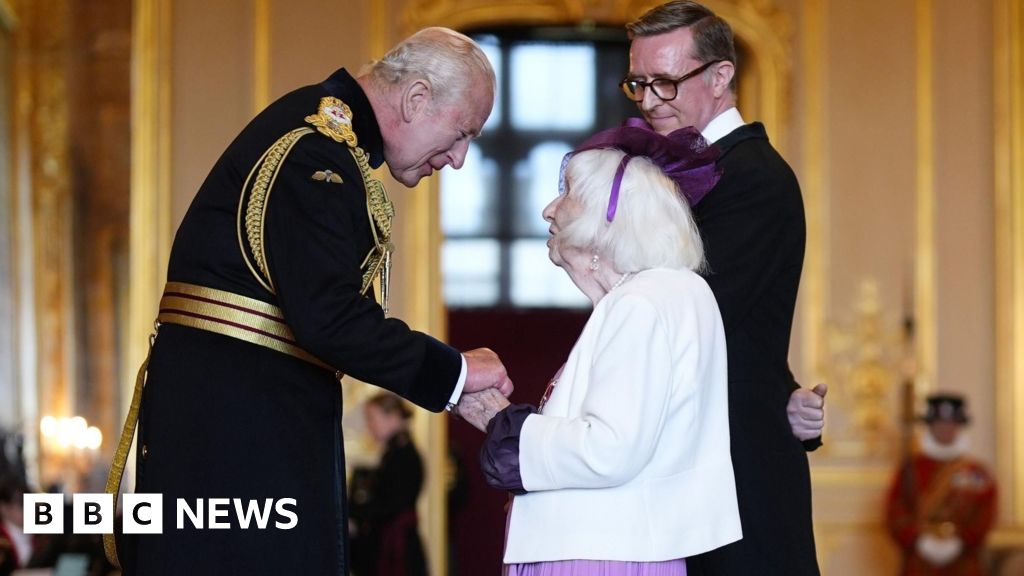
Tulsi Gabbard's tenure as Director of National Intelligence ended on 25 May 2026, concluding a brief and contentious chapter at the head of the U.S. intelligence community. Within hours of her resignation becoming public, the Senate moved to propose Elise Stefanik, the New York Republican congresswoman, as her successor.
The speed of the transition reflects the extraordinary pressure the intelligence apparatus has faced under the current administration. Gabbard's 14 months in the role were marked by repeated clashes with career officials, controversy over classified briefings, and questions from both chambers about her fitness for the post. Her exit leaves the DNI position — which coordinates 18 intelligence agencies — without a confirmed Senate leader for the second time in three years.
Stefanik, who has served on the House Intelligence Committee since 2019, brings a different profile to the role. Where Gabbard arrived with a record of independent foreign policy positions that drew scrutiny from committee Democrats, Stefanik has been a reliable Republican vote on national security matters. She supported the 2025 expansion of warrantless surveillance authorities and backed the administration's position on several contested intelligence assessments regarding Iran and China. Her nomination, if formalised, would return the DNI chair to a congressional hand.
The announcement drew immediate reaction from Capitol Hill. Senate Intelligence Committee Democrats lodged procedural objections within the hour, citing what one aide described as "insufficient vetting of a nominee with no executive branch intelligence experience." Republican defenders argued the objection was politically motivated, pointing to Stefanik's six years of committee work as relevant preparation for overseeing the intelligence community.
The structural question running beneath the confirmation fight is not really about Stefanik's qualifications alone. It is about the role of the DNI itself — an office created after the 9/11 failures to coordinate disparate agencies, but which has repeatedly been marginalised when its priorities clash with executive preferences. The last three confirmed DNIs have served an average of 22 months. Gabbard lasted less than half that. Stefanik's backers are aware that longevity will depend less on Senate votes than on the degree of operational independence the administration is willing to countenance.
What the sources do not yet clarify is the precise sequence of events leading to Gabbard's resignation. The announcement came without a formal letter of explanation from the DNI's office, and the White House offered only a short statement thanking her for her service. Congressional offices began receiving informal briefings on the transition late on 24 May, but senior committee staff described the information as "sparse." Whether the resignation was voluntary, negotiated, or the product of internal pressure remains an open question.
The stakes extend beyond the confirmation process. Intelligence agencies are in the midst of a significant capability review, prompted by failures attributed to inadequate analysis during the early months of the Ukraine-Russia conflict. Budget pressures have forced choices about which collection programmes get prioritised, and the DNI's office is expected to issue revised guidance on signals intelligence allocation before the end of the fiscal year. Whoever occupies the chair will shape that prioritisation — and the congressional oversight relationship that follows.
For now, the Senate's move has set the confirmation process in motion. Stefanik's hearing date has not been set. The Intelligence Committee's ranking Democrat suggested the scheduling would depend on "full disclosure of all relevant communications during the transition period" — language that signals extended scrutiny rather than swift approval. Whether the administration pushes for a fast vote or concedes a more deliberate timetable will be the first signal of how seriously it regards the office it is asking Stefanik to fill.
This desk's coverage leans harder on institutional continuity than most wire outlets, which have focused on the personal rivalry subplot. The structural question — why the DNI role keeps haemorrhaging leadership — gets less attention than the soap opera. Monexus finds the institutional dysfunction the more consequential story.
Wire provenance
This editorial synthesis draws on the following public wire/social posts:
- https://x.com/sprinterpress/status/2058997069637885952