Trump Calls Gulf Leaders Hours After Senator Warns of 'Severe Repercussions'
The White House confirmed a telephone outreach to six regional governments on 23 May 2026, twenty-three hours before a senior Republican senator publicly threatened economic consequences for nations that do not align with Washington's demands.
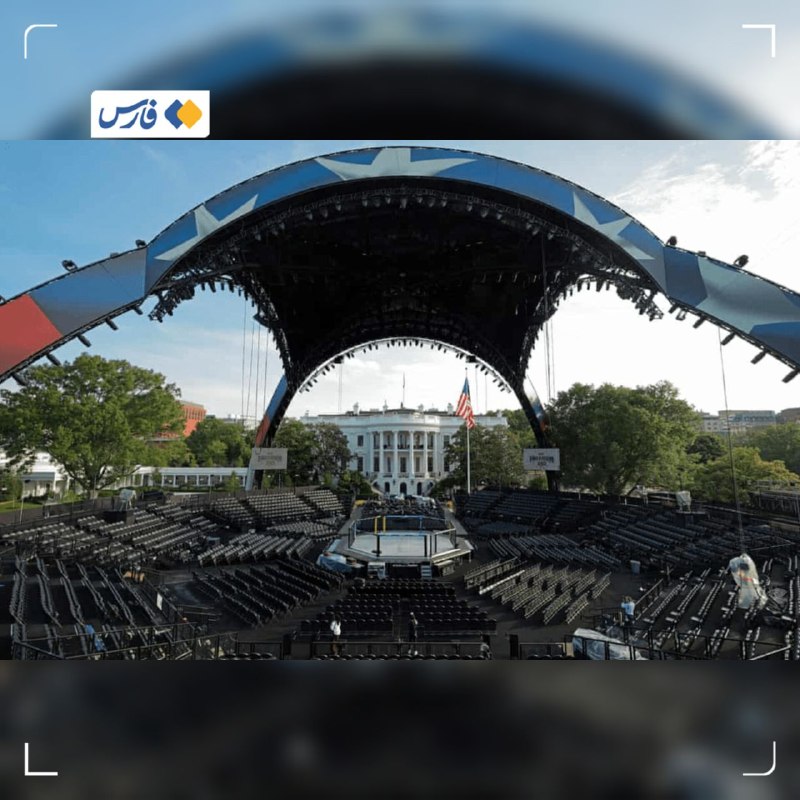
On the evening of 23 May 2026, the White House confirmed that President Donald Trump would hold a telephone call with the leaders of Saudi Arabia, Qatar, Egypt, Turkey, Pakistan, and the United Arab Emirates. Twenty-three hours later, one of Trump's most prominent Republican allies in the Senate, Lindsey Graham of South Carolina, delivered a warning to the same cluster of governments: those who fail to align with Washington's preferences face, in his words, "severe repercussions."
The sequencing matters. The administration initiated diplomatic contact, then a sitting senator — an ally of the president, not an opponent — made the pressure explicit and public. The combination signals a Washington approach that treats economic leverage and public signalling not as distinct tools but as inseparable components of a single message: cooperation with the United States carries benefits; divergence carries cost.
The phone call itself, confirmed by an official readout posted on 23 May, positioned the outreach as routine consultation. It listed no deliverables, announced no agreements, and set no timeline for follow-up action. The readout described a conversation about "regional stability" and "bilateral economic ties" — language broad enough to cover a range of substantive议题. That deliberateness is itself informative. When administrations want to signal warmth, they produce photographs, joint statements, and references to historic gestures. When they want to preserve flexibility while maintaining a channel open, they produce precisely the kind of readout the White House published on 23 May.
Graham's intervention, posted on 24 May, was designedly different in tone. "Saudi Arabia, Qatar, Pakistan and others" were named without diplomatic softening. "Severe repercussions" was not qualified with modifiers. The senator was not speaking off-message; in the context of the administration's broader posture on trade, sanctions, and energy policy, his statement read as an authorised extension of the pressure campaign rather than an independent improvisation.
The counter-narrative: Gulf agency matters
To read the events as a simple exercise of American leverage is to miss something important about how the Gulf states operate in practice. Saudi Arabia, Qatar, and the UAE have, over the past decade, demonstrated a consistent willingness to pursue independent diplomatic tracks when they judge Washington's preferences to be misaligned with their own security calculations. Qatar host the largest US military footprint in the region and has maintained a channel to movements Washington designates as terrorist organisations — a fact that has produced friction with successive administrations without destabilising the bilateral relationship. Saudi Arabia navigated the 2019 oil-price dispute with Washington, accepted a normalisation agreement with Israel that collapsed, and continued to manage its relationship with Russia within OPEC+ — all without triggering the kind of rupture the threats implied.
This does not mean the Gulf states are indifferent to American pressure. The economic relationship with the United States — access to US dollar-denominated markets, technology partnerships, weapons systems — is structurally significant. But the pattern of behaviour suggests that public threats produce calculations, not capitulations. The Gulf governments have repeatedly demonstrated that they absorb pressure, wait for the political window to shift, and pursue their interests through back-channels and quiet arrangements that do not carry the optics of compliance.
Structural frame: the economics of diplomatic loyalty
The broader context for this exchange is the Trump administration's sustained effort to reshape the terms of US-Gulf economic engagement on its own terms. Tariffs, pressure on energy pricing, and demands that Gulf states increase defence spending or reduce dependency on US security guarantees have been consistent themes of the second-term posture. Graham's public statement is the legislative expression of that executive posture — a senator amplifying the ultimatum in a format that is harder to walk back than a White House readout.
For the Gulf states, the calculation is not simply whether to comply but how to manage the appearance of compliance while preserving strategic autonomy. Qatar's role as a mediating interlocutor — hosting negotiations that US diplomats attend, maintaining relationships that Washington finds useful — gives it a form of leverage that is not captured in trade figures or weapons procurement schedules. Saudi Arabia's continued role in OPEC+, despite American preferences for production increases, demonstrates that energy policy remains an area where Riyadh acts on its own assessment of market conditions, not solely in response to Washington's requests.
The phone call on 23 May and Graham's warning on 24 May are unlikely to produce a visible shift in any of those relationships within days or weeks. What they do produce is a record — on the public ledger — of Washington's terms being stated clearly. That record matters for the next round of negotiations, the next tariff review, the next moment when a Gulf state makes a decision that Washington would prefer it not to make. The public ultimatum creates a baseline against which subsequent behaviour is measured.
The nuance that remains unclear
What remains absent from the public record is what, precisely, the administration asked for in the 23 May call, what the Gulf leaders said in response, and what specific actions Graham envisions if his warning goes unheeded. The readout from the White House contains no substantive demands. Graham's statement contains no mechanism — no sanctions legislation named, no trade action specified, no legislative vehicle referenced. That absence is not accidental. Vague threats are easier to issue than specific ones; they also leave more room for the addressees to comply partially without triggering the consequences named. Whether that ambiguity is a tactical choice or an indication that the pressure is rhetorical rather than operational is a question the available sources do not resolve.
The timeline is clear. The diplomatic signal is readable. The consequences remain unspecified. That gap — between the public ultimatum and the operational detail — is where the next phase of this relationship will be decided.
Wire provenance
This editorial synthesis draws on the following public wire/social posts:
- https://x.com/polymarket/status/1923325174564819270
- https://x.com/sprinterpress/status/1923708092918694010