Trump Gives Iran Ultimatum on Enriched Uranium Stockpile, Threatens Secondary Tariffs
President Trump on 25 May 2026 demanded Iran surrender its enriched uranium to the United States for destruction, in an ultimatum-style post that gave Tehran little room for diplomatic manoeuvre and signalled further economic pressure if refused.
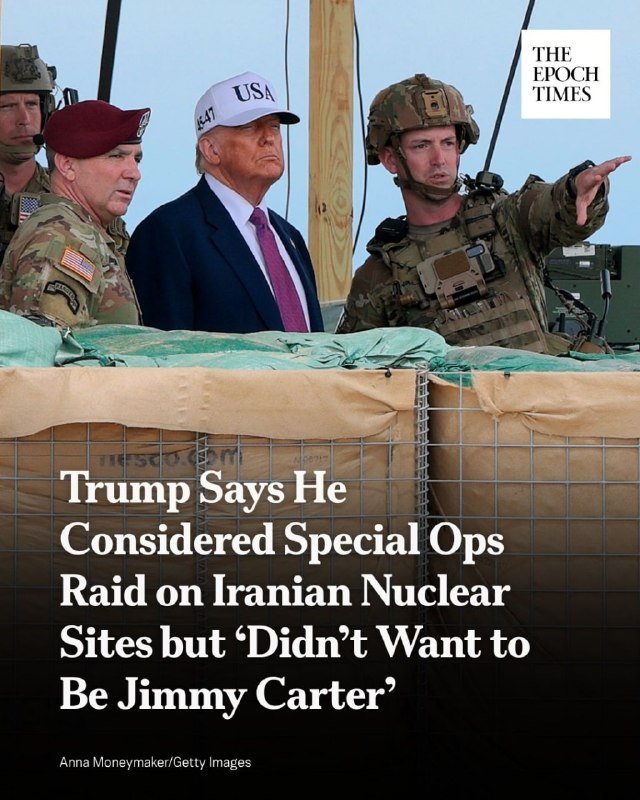
President Donald Trump posted on Truth Social on 25 May 2026 one of the sharpest demands his administration has directed at Tehran, calling for Iran to immediately surrender its enriched uranium stockpile to the United States for destruction. The post, amplified across multiple intelligence and geopolitical monitoring channels within minutes of publication, carried an ultimatum-style tone with what analysts described as almost no room for compromise.
The statement represented a hardening of the rhetorical baseline after months of back-channel signals from Washington that it was seeking a constrained nuclear agreement with Iran. Whether the language signals a genuine pivot toward confrontation or is calibrated pressure ahead of a fresh round of negotiations remains unclear — the post itself offered two pathways but left the consequences of refusal opaque.
The Ultimatum's Immediate Terms
According to the text of Trump's post, as captured by multiple independent trackers monitoring his Truth Social feed, the demand carries two components. The first is direct: Iran must turn over its enriched uranium "immediately" to the United States, where it would be "brought home and destroyed." The second, labelled "preferably," offers a joint path — the material would be handled "in conjunction and coordination with the Islamic Republic," but still under a structure Washington would oversee and control.
Both formulations place the initiative firmly with the United States. Neither describes what happens if Iran refuses or fails to respond within any stated timeframe. Several channels tracking the post noted the phrase "enriched uranium (Nuclear Dust!)" — an unusual framing that departs from the technical terminology used in previous negotiations and in International Atomic Energy Agency documentation — as designed for resonance on social media rather than precision in a diplomatic communiqué.
The enriched uranium under discussion refers to material Iran has accumulated during years of atomic development under varying levels of international sanctions and monitoring. Stocks have been a central focus of International Atomic Energy Agency inspections and a recurring point of contention in talks between Iran and Western powers.
What Tehran Can and Cannot Do
Iran's immediate options are structurally constrained. Surrendering the material outright — particularly under the first formulation, which envisions it leaving Iranian territory for destruction in the United States — would require Tehran to relinquish a significant bargaining chip without receiving verifiable sanctions relief in return. Iranian officials have consistently held that their nuclear programme serves civilian energy purposes, a claim Western intelligence assessments have disputed but which Iran has maintained before international forums.
The second pathway, coordination with the Islamic Republic, offers Tehran a negotiating form without surrendering substance — a structure that has appeal in principle but would require the United States to accept continued Iranian involvement in any verification process. That is a condition previous Western administrations have proven reluctant to accept as sufficient.
Underlying the ultimatum is an implicit leverage point: secondary tariffs. The Trump administration has deployed economic isolation as its primary instrument toward Tehran alongside the nuclear dossier. Absent an agreement on the uranium question, additional layers of financial pressure — targeting whatever remains of Iran's external trade and its banking relationships — represent the most probable next instrument. The sources do not specify what triggers those secondary measures or what threshold constitutes compliance.
The Diplomatic Architecture the Ultimatum Disrupts
The post complicates a diplomatic landscape that had shown marginal signs of movement. Indirect talks involving the United States and Iran, conducted through Omani and Swiss intermediaries, had produced no public agreements but had maintained a channel open through the first quarter of 2026. Washington's demand, as it stands, does not leave obvious space for incremental progress — it asks for material surrender and presents a framework for managing that material that places control in American hands from the outset.
The regional dimension matters. Israel's government has for years pressed for what it calls a permanent solution to the Iranian nuclear challenge, ranging from an sustained freeze on enrichment to disruption of the programme by other means. A public ultimatum of this character, combined with the explicit threat of escalating sanctions, may be intended partly for a Tel Aviv audience as much as for Tehran. Whether it reassures or escalates depends on how the Israeli defence establishment reads the credibility of a threat untethered from a stated timeline.
Gulf Arab states, which have managed their own cautious normalisation with Iran over the past two years, are watching with identifiable unease. A collapse of the diplomatic channel — or an American decision to interpret Iranian non-compliance as grounds for kinetic options — would disrupt the re-engagement process those states have pursued as a hedge against wider regional instability.
What Comes Next
The sources do not indicate whether the administration has communicated a deadline to Tehran through back-channels, nor whether supplementary diplomatic outreach is being prepared parallel to the public post. That gap matters: an ultimatum without a timetable can function as political theatre, a pressure vehicle, or a genuine preparatory step toward a harderline decision, and the record does not yet clarify which intent is primary.
Three outcomes appear most plausible if the standoff persists. The first is a negotiated handover under the "preferable" joint-coordination formulation — an outcome Iran could accept if it obtained meaningful sanctions relief or guarantees of non-interference in its oil revenues, terms Washington would be reluctant to grant without verifiable IAEA oversight. The second is a period of managed tension — further leaks, additional sanctions designations, and continued escalation in public rhetoric — without an immediate resolution. The third, which regional capitals have discussed in private, is a more fundamental reassessment by the administration of its approach to the Iranian programme, with whatever consequences that carries for the broader Middle East.
The immediate signal from the post is unambiguous in tone. Its actual weight in the policy calculus will be determined by the private communications that follow — and by whether the administration follows the ultimatum with the infrastructure to enforce it.
—
Middle East Spectator (bellumactanews) broke the English-language text of the post at 21:47 UTC on 25 May. Multiple channels — including Status-6, Open Source Intel, RN Intel, and WarGonzo-adjacent feeds — carried independent confirmations within the same ten-minute window. The desk compared the wire framing from Al Jazeera English, Iran International, and The Cradle; the dominant frame led with the ultimatum and the "Nuclear Dust!" phrasing. Monexus prioritised the structural power imbalance in the two proposed pathways — an outcome favourable to Washington in either formulation — and located the piece within the regional diplomatic context rather than treating the post as an isolated event. The desk notes that the phrase "in conjunction and coordination with the Islamic Republic" is a formulation that preserves negotiating optics for Iran while实质性 ceding programmatic control, and flags this as the clause most likely to generate friction in any private talks that follow.
Wire provenance
This editorial synthesis draws on the following public wire/social posts:
- https://t.me/GeoPWatch/
- https://t.me/Middle_East_Spectator/
- https://t.me/wfwitness/
- https://t.me/RNIntel/
- https://t.me/ClashReport/
- https://t.me/Status6/
- https://t.me/OpenSourceIntel/