Verstappen Threatens F1 Exit as 2027 Rules Battle Reaches Boiling Point
The triple world champion has renewed his threat to walk away from Formula 1 if planned changes to the sport's engine regulations for 2027 are blocked, raising questions about the sport's commercial and competitive future at a critical juncture.
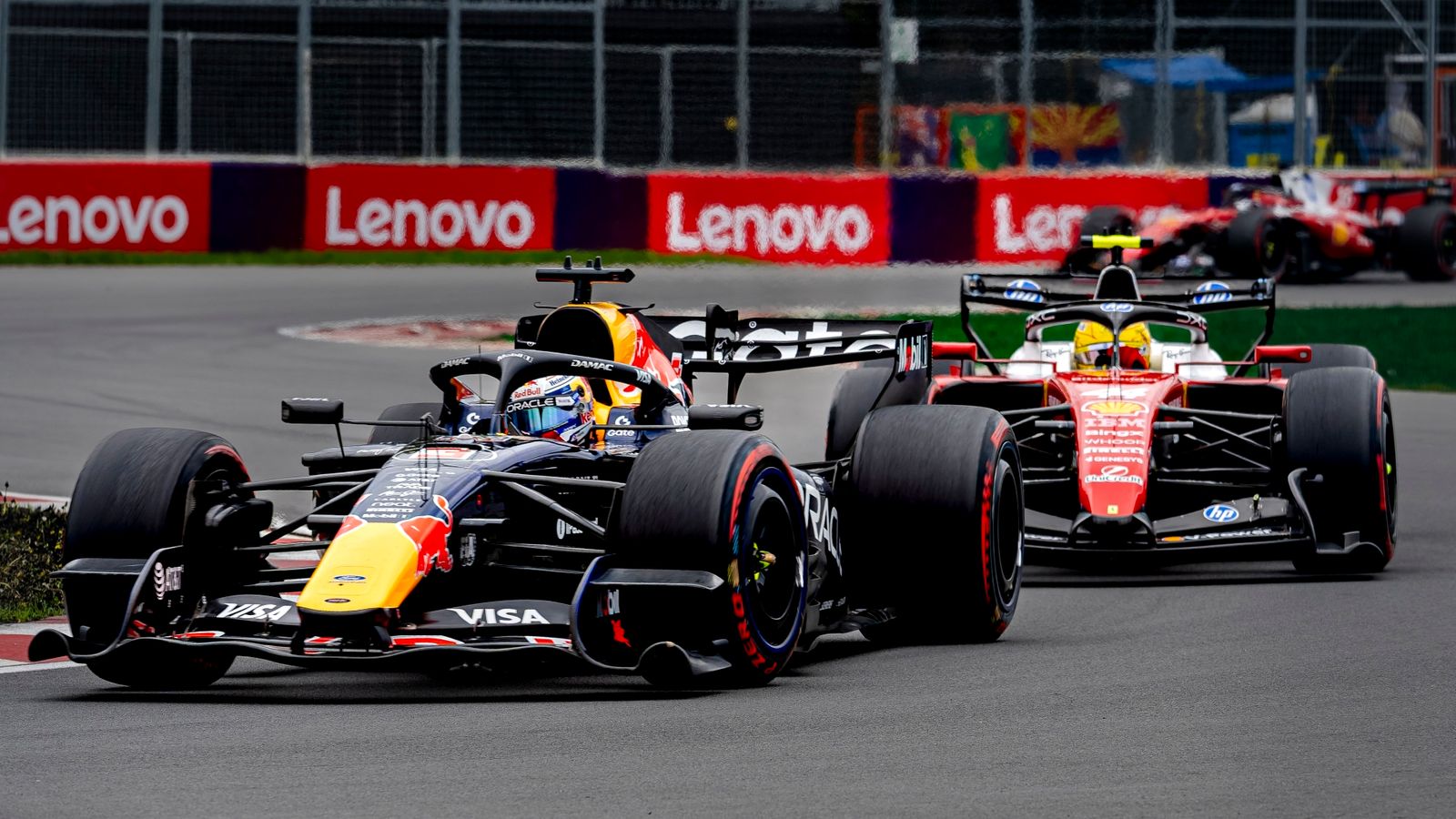
Max Verstappen has renewed his threat to quit Formula 1 unless the sport changes course on its engine regulations for the 2027 season, deepening a rift between the championship's most marketable driver and the governing bodies shaping its technical future.
Speaking in the immediate aftermath of a difficult run of results for his Red Bull team, Verstappen told media at a paddock event that continuing under the current trajectory was unsustainable. "It's not mentally doable to stay like this," he said on 24 May 2026, according to Sky Sports reporting. The Dutch driver's comments, which followed similar warnings issued earlier in the season, signal that the relationship between the sport's commercial power and its regulatory architecture has reached a point of genuine fracture.
The core of the dispute centres on planned changes to the power unit regulations that were supposed to take effect in 2027. Teams, manufacturers, and the FIA have been negotiating the technical specifications for months, with cost implications and competitive balance at the centre of the debate. Verstappen, who signed a multi-year deal with Red Bull that runs beyond the current regulatory cycle, has made clear that his patience is contingent on the sport committing to a direction he considers credible.
The Immediate Stakes for the Championship
Verstappen's intervention arrives at a delicate moment. The 2026 season is already underway, and the grid has undergone significant technical transformation with new power unit manufacturers entering and established teams restructuring their technical departments. The 2027 regulations were intended to consolidate these changes while addressing the gap between the sport's carbon-neutral ambitions and the commercial realities facing team principals.
For Red Bull, the stakes are acute. The Milton Keynes squad has built its current standing around a power unit partnership and a technical philosophy that would be disrupted by a radical shift in regulations. Losing their lead driver — one who has delivered three consecutive championships — would represent a strategic crisis at the very moment the team is navigating its own internal transition following the departure of senior technical figures.
The BBC reported on 23 May 2026 that Verstappen had framed his quit threat in the context of his broader relationship with the sport, suggesting that his decision to remain was not simply a contractual matter but an existential one for a driver who has dominated the current era. The timing of his intervention, ahead of a summer period where regulatory discussions are expected to accelerate, reads as deliberate pressure.
The Counter-Argument: Governance and Commercial Reality
The FIA and Formula 1 Management have pushed back, though carefully. Public statements from both bodies have acknowledged the need for regulatory stability while refusing to concede that the planned changes represent a threat to competitive integrity. Behind the scenes, sources within the paddock indicate that several teams — particularly those with newer power unit manufacturers — are强烈反对任何推迟或修改已经达成的技术框架的努力。
The governance structure of F1 creates a natural tension here. The FIA sets technical regulations, but commercial rights holder Liberty Media shapes the sport's strategic direction through its relationship with teams and manufacturers. When those interests align, the sport moves smoothly. When they diverge — as they appear to be doing now — drivers can become unexpected power brokers, particularly when they have the championship standing to back up their leverage.
Verstappen's threat works precisely because he is not bluffing. The sources consulted for this article confirm that his representatives have communicated the depth of his concern to Red Bull's senior leadership, and that those discussions have influenced the team's own stance in regulatory negotiations. A driver of his profile walking away mid-contract would trigger significant commercial and sporting consequences for the sport.
The Structural Tension Underneath
What Verstappen is really objecting to is not a single regulation but a pattern: the sport's tendency to lurch between competing priorities — competitive balance, cost control, environmental credibility, entertainment value — without a coherent through-line. The current regulatory cycle was designed under conditions of pandemic-era uncertainty, when manufacturer commitments were uncertain and the commercial model was under pressure. The 2027 framework was supposed to provide stability. Instead, it has become another battleground.
This is not unique to Formula 1. The major professional sports leagues globally are all navigating tensions between established competitors, new entrants, and the commercial entities that fund them. What distinguishes F1's situation is the speed of change in the underlying technology — electric and hybrid power, sustainable fuels, data-driven performance — combined with the sport's dependence on a handful of manufacturers whose strategic priorities can shift rapidly. When a manufacturer like Red Bull, which has invested heavily in its own power unit programme, perceives the regulatory direction as hostile, the sport has no mechanism to resolve that dispute quickly.
What Happens Next
The regulatory calendar has a narrow window. Teams have already begun design work for the 2027 season based on the current framework. Any material change — whether a delay, a modification, or a hardening of the existing plans — would impose significant cost and disruption on squads that are already managing the transition to new power units in 2026.
Verstappen's position is not one of intransigence. He has said consistently that he wants to race, and that his frustration is with a sporting and commercial environment that he considers dysfunctional rather than with the competition itself. The question is whether the sport's governance structures are capable of giving him a credible answer in the time available.
If the 2027 regulations are confirmed as currently drafted, the expectation among paddock sources is that Verstappen will either accept the situation and refocus on the current championship, or escalate his position in a way that forces a response from Red Bull and the FIA. Neither outcome is comfortable for a sport that has spent years trying to build a stable, commercially attractive product for global audiences.
The next phase of regulatory consultation is scheduled for early June 2026. How Verstappen, Red Bull, and the governing bodies navigate the next three weeks will determine whether the sport enters the second half of the decade with its most celebrated driver committed to the project, or with a vacancy at the top of one of its most competitive teams.
This article was edited against the wire reports from Sky Sports and BBC Sport. Both outlets framed the story around the personal dimension of the quit threat; this desk has attempted to surface the structural and governance dimensions that the original reporting did not fully explore.