6.9 Magnitude Earthquake Strikes Northern Chile Mining Belt, No Tsunami Threat
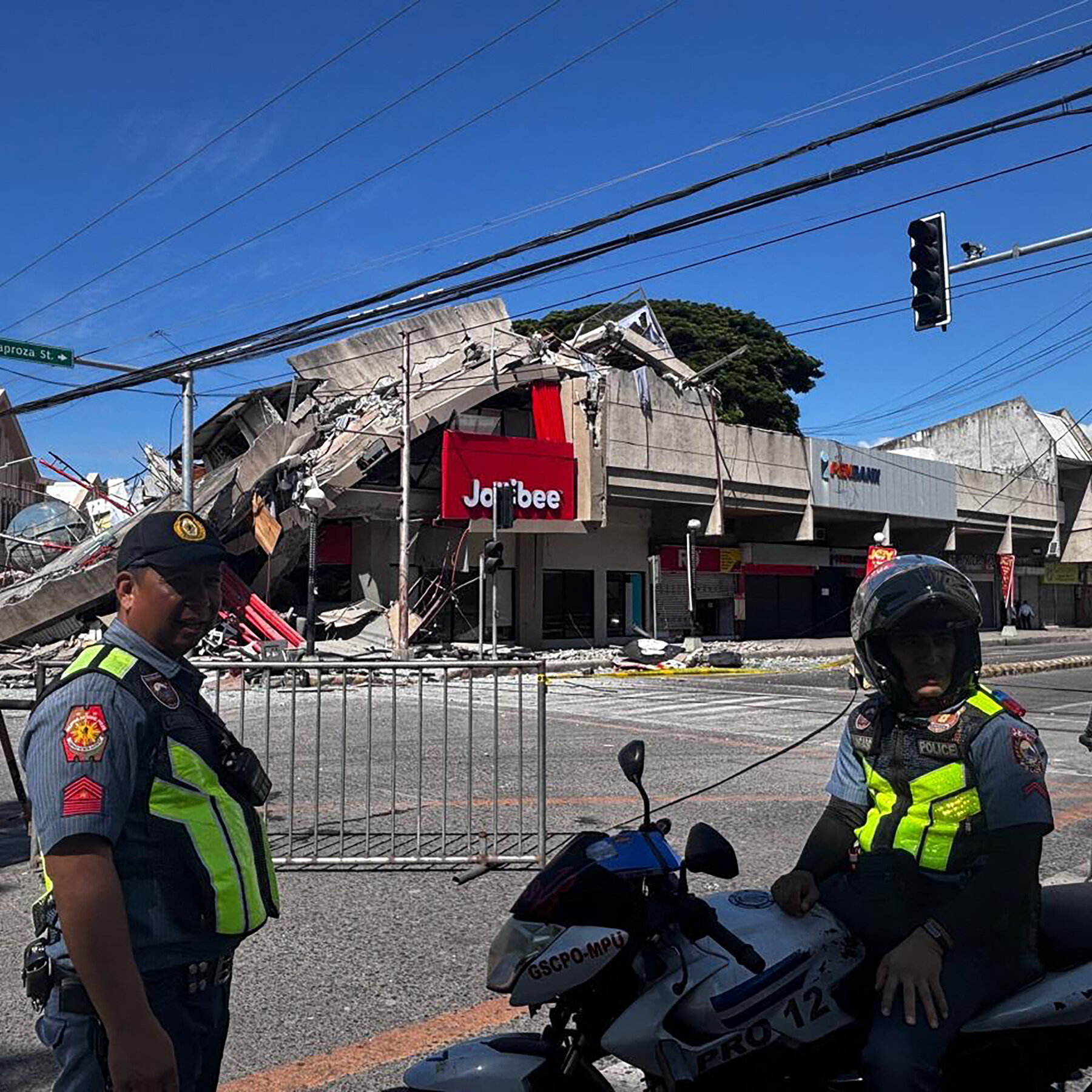
On the evening of 25 May 2026, residents of Chile's Atacama Desert stopped mid-sentence. A 6.9 magnitude earthquake had struck northern Chile, sending tremors through the country's copper mining corridor. The Chilean National Disaster Prevention and Response Service (SENAPRED) issued an immediate tsunami evaluation. Within hours, the all-clear came: no tsunami threat. By the morning of 26 May, Reuters was reporting that damage had been minimal despite the quake's substantial magnitude.
The immediate relief is real, but the moment carries a qualifier. Chile sits atop one of the most seismically active zones on the planet—the Peru-Chile Trench, where the Nazca Plate plunges beneath the South American Plate at roughly seven centimetres per year. A 6.9 event in that context is not a near-miss; it is a routine stress release. What distinguishes this episode from deadlier predecessors is not luck alone. It is infrastructure built, in part, to thresholds informed by generations of catastrophic shaking.
The Mining Belt's Fragile Geometry
Northern Chile's Atacama Desert is not just a place—it is a function. The Chuquicamata, Escondida, and Collahuasi mines generate a substantial share of the world's copper supply. Any seismic event in this corridor draws immediate global attention because the commodity market knows what a supply disruption in northern Chile means for wire, electronics, and defence manufacturing chains worldwide.
The tremor on 25 May arrived during a shift-change window at several operations, according to early accounts. That timing likely reduced casualty exposure. Mine workers in Chile's large-scale operations have earthquake response protocols embedded in their onboarding; the country's regulatory framework for extractive-sector seismic resilience has tightened considerably since the 2010 Maule earthquake further south demonstrated how poorly engineered tailings storage facilities could transform natural events into human catastrophes.
Why the Tremor's Punch Fell Short
A magnitude reading tells you energy released, not shaking experienced at the surface. Depth is the variable that most reliably moderates damage. Early SENAPRED assessments indicated the quake originated at intermediate depth—consistent with the subduction geometry of the northern segment of the Chile-Peru trench. Intermediate-depth events (roughly 70 to 300 kilometres below the surface) dissipate energy before it reaches the built environment with full force. The Atacama region's sparsity of population density beyond mine camp perimeters also limits exposure. You cannot destroy what is not densely there.
The Chilean Geological Survey was fast with its depth estimate, and that precision matters for market watchers. Copper traders who saw the initial magnitude headline and feared a supply interruption had a corrective data point within hours. The financial reverberations, such as they were, appear to have been short-lived.
The Long Seismic Shadow of Chile's History
Chile does not need reminding that it sits on a fault line. The 1960 Valdivia earthquake—9.5 magnitude, the strongest instrumentally recorded in history—shrank coastlines, reshaped river courses, and killed an estimated 1,000 to 6,000 people depending on which accounting you consult. The 2010 Maule earthquake, 8.8 magnitude, exposed critical vulnerabilities in the country's seismic building codes and led directly to the post-disaster reconstruction reforms that now govern how Chilean authorities respond to events like the one on 25 May.
Those reforms include mandatory seismic design standards for public infrastructure, a national early-warning system covering coastal population centres, and biennial simulation exercises co-ordinated across SENAPRED, the Chilean Army's disaster response arm, and regional governments. The response this week—informed, rapid, evidence-weighted—reflects institutional muscle built on painful precedent.
The tremor struck at 23:31 UTC on 25 May, giving Chilean emergency managers a five-hour window before dawn across the Atacama to complete their initial assessments. That window was used.
What Remains Unresolved
The sources do not yet specify whether any of the major copper processing facilities in the Atacama experienced structural inspection holds or temporary production suspensions as of the morning of 26 May 2026. Reuters reported minimal damage but did not name specific operations. The Telegram-sourced Al Alam Arabic dispatches confirmed the tsunami ruling-out but offered no operational detail.
The deeper uncertainty is the one seismologists keep before the public: this event releases stress, but not all of it. The northern Chile subduction segment has produced magnitude 8-plus events within living memory. A 6.9 that passes without casualties is a good outcome, not a reassurance about what follows.
This publication covered the event with Reuters reporting and Telegram-sourced dispatches from Al Alam Arabic. Wire services centred the Chile Emergency Service's tsunami ruling; the Al Alam Arabic channel led with magnitude as the primary frame. A reasonable editorial choice in either direction. We opted for the subduction geometry and mining exposure angle first because those are the structural stakes that outlast the headline.
Wire provenance
This editorial synthesis draws on the following public wire/social posts:
- http://reut.rs/4tPbiId
- https://t.me/alalamarabic