Iran Signals Openness to 'Dignified Framework' for Ending Regional Tensions on Eid Al-Adha
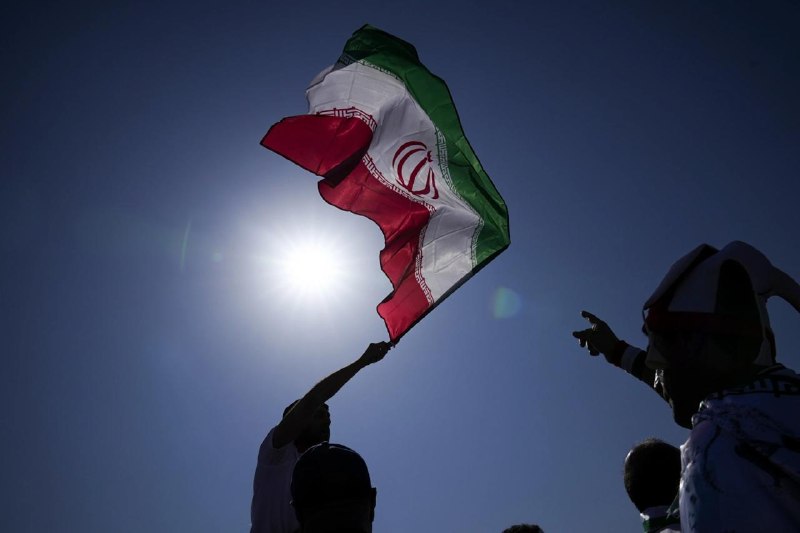
President Masoud Pezeshkian of Iran used the Eid Al-Adha holiday on May 26, 2026 to deliver a dual message: an outstretched hand to the broader Islamic world, and an assertion that Iran will not compromise on what it regards as its sovereign rights and regional role. In separate remarks carried by Iranian state media, Pezeshkian described Iran as ready for a "dignified framework" to resolve ongoing regional conflicts and end what state media described as escalating tensions across the Middle East.
The remarks arrive at a moment when multiple fault lines in the region remain active, including the fallout from the Gaza conflict, ongoing hostilities between Israel and Hezbollah-aligned groups in Lebanon, and the broader contest between Iran-aligned forces and their adversaries across Iraq, Syria, and Yemen. Whether the Eid overture signals a substantive shift in Tehran's posture or follows a familiar pattern of rhetorical outreach calibrated to the occasion remains an open question.
Eid Messaging and the Anatomy of a Diplomatic Overture
The holiday of Eid Al-Adha carries particular resonance in Iranian political communication. As a commemoration of sacrifice and steadfastness, it provides a frame through which leadership can address both domestic and regional audiences simultaneously. Pezeshkian's remarks, as reported by IRNA on May 26, described Iran as extending "a hand of brotherhood to Islamic countries" while making clear that Tehran would "not hesitate to defend its sovereignty."
That juxtaposition —伸手 friendship while arming oneself with resolve — is characteristic of Iranian diplomatic rhetoric across multiple administrations. The phrasing offers something for each audience: an opening gesture toward regional partners and potential mediators, and a non-negotiable bottom line for domestic constituents and allied armed movements. The "dignified framework" language, specifically, suggests Tehran is not seeking capitulation or a settlement that would require it to abandon what it presents as core positions, but rather an arrangement it can frame as compatible with resistance to what Iranian state media termed "disbelief and injustice."
The timing of such statements — a major Islamic holiday — is not coincidental. Eid messaging to the Islamic ummah allows Iranian officials to cast their positions in a pan-confessional register, potentially appealing beyond Shia constituencies to wider regional and diaspora audiences. Whether that appeal translates into diplomatic traction depends on factors well beyond the content of the remarks themselves.
Regional Context: Multiple Theaters, Competing Timelines
The "dignified framework" statement does not specify which conflicts it addresses. Regional analysts have long noted that Tehran manages a portfolio of proxy relationships and allied armed movements — from Hezbollah in Lebanon to Houthis in Yemen to militia networks in Iraq and Syria — and that its willingness and ability to negotiate is mediated by the preferences and perceived interests of those partners.
The Gaza conflict, now in its extended phase, remains the central mobilizing cause for Iran-aligned groups across the region. A framework that addresses Gaza would necessarily implicate Israel, Egypt's border posture, and the long-term governance arrangements that will define the territory's future. A framework focused on Lebanon would engage a separate — if related — set of dynamics involving Israel, Hezbollah's stated deterrence posture, and UN Security Council resolutions that both sides have selectively interpreted.
Iranian state media framing of the remarks did not disentangle these theaters. The "dignified framework" phrase appears designed to be capacious enough to apply to any or all of them, which is itself a signal: Tehran is not yet prepared to narrow the offer to a specific negotiation track, preferring instead to establish a general disposition toward settlement before specifics are discussed.
The Historical Pattern and Its Limits
Iranian presidents have issued similar overtures during religious holidays before. The pattern is recognizable: a holiday message reframes the Islamic Republic's positions in terms of peace and justice rather than strategic interest, offers a general openness to dialogue, and is met with careful responses from Western and Arab interlocutors who acknowledge the language while noting the gap between rhetoric and the behavior of Iran-aligned forces on the ground.
Whether this instance differs is not answerable from the remarks alone. The IRNA reporting describes a president willing to pursue negotiations but does not indicate whether Pezeshkian has discussed the framework with Supreme Leader Ayatollah Khamenei, whether it has been presented to relevant diplomatic channels, or whether allied armed movements have been consulted. Iranian foreign policy authority is formally concentrated in the Supreme Leader's office, and presidents — even reformist-leaning ones — operate within parameters set by that office. The sources reviewed do not indicate where Pezeshkian's statement falls on that spectrum.
Western governments have historically responded to Iranian overtures with what they describe as verification-first approaches: conditional openness contingent on demonstrated behavior, not simply declared intent. The gap between Tehran's framing of a "dignified framework" and the framework Western capitals would find acceptable remains, on the basis of available public statements, unaddressed.
What the Overture Does and Does Not Change
A news article reporting official statements faces a straightforward epistemic constraint: it can report what officials say without being in a position to evaluate whether they mean it, whether they can deliver on it, or whether it represents a shift from prior policy. That constraint applies here. Pezeshkian's May 26 remarks describe an Iran willing to negotiate on terms it can call dignified. Whether that willingness is genuine, durable, or shared by the network of allied actors whose behavior ultimately defines the regional situation is not something the available sourcing resolves.
What the remarks do establish is a stated position: Tehran wants a settlement, but one it can present as consistent with its sovereignty and its characterisation of the regional order. The "dignified framework" framing puts the ball in the court of counterparties — Arab states, Western governments, Israel — to indicate whether they find those terms negotiable. The sources reviewed do not yet indicate how, if at all, those counterparties have responded. The Eid overture opens a door. Whether anyone walks through it, and on what terms, remains to be seen.
—
Desk note: Wire coverage of Pezeshkian's Eid remarks led with the "dignified framework" diplomatic offer and the brotherhood framing. This article foregrounds the structural features of the statement — its audience calibration, its deliberate ambiguity regarding which conflicts it addresses, and the gap between stated openness and the behavior of Iran-aligned forces — that the headline approach tends to smooth over. The Telegram-sourced IRNA and Al Alam reporting provided the primary text of the remarks; the structural analysis of their significance is the publication's own contribution.
Wire provenance
This editorial synthesis draws on the following public wire/social posts:
- https://t.me/Irna_en/38542
- https://t.me/alalamarabic/58241
- https://t.me/alalamarabic/58240
- https://t.me/alalamarabic/58242