Israeli Ground Operations Expand North of Lebanon Ceasefire Line
Israeli forces have pushed ground operations north of the yellow line demarcation in southern Lebanon, according to IDF-linked OSINT channels and Iranian state-adjacent Telegram sources — a development that raises the threshold for a diplomatic off-ramp and deepens uncertainty about where the current campaign ends.
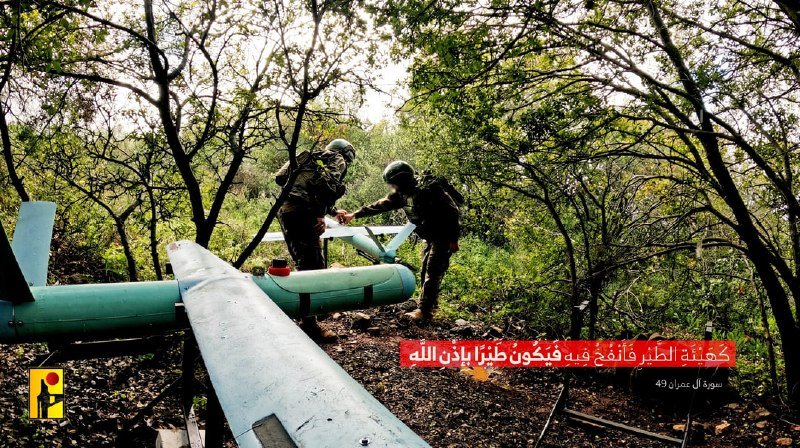
Israeli forces pushed ground operations north of the yellow line in southern Lebanon on 26 May 2026, according to OSINT aggregators and Iranian state-adjacent Telegram channels tracking IDF activity. The development marks a qualitative escalation in the scope of operations that have targeted Lebanese towns along the border since the latest round of hostilities began.
The yellow line — the demarcation drawn after the 2006 Lebanon war — is not a recognized international border but carries significant political and symbolic weight. It has defined the outer limit of what successive Israeli governments have deemed acceptable operating space. Crossing it with ground forces changes the legal and diplomatic arithmetic for every party involved, including for the UN peacekeeping mission UNIFIL, which was mandated to monitor the ceasefire under Resolution 1701.
What the Sources Say
Three Telegram channels, each operating as transmission layers for IDF statements or OSINT analysis, reported the expansion on 26 May 2026 between 13:52 and 13:57 UTC. According to those accounts, the Israeli army's 12th and 14th brigades initiated and expanded ground operations in southern Lebanon, with the offensive now reaching north of the yellow line. Separate reporting from those same channels described two airstrikes targeting the town of Kfar Remane in southern Lebanon. Iranian state-linked outlet Jahan Tasnim, which syndicated the IDF brigade designations in its own reporting, framed the expansion as a broadening of what it called "aggressive ground operations."
The information in these channels aligns with a pattern of IDF strategic communications distributed through informal outlets before official confirmation — a tactic Tel Aviv has employed throughout recent campaigns to manage both operational security and audience perception. Western wire services have not yet published independent corroboration of the specific north-of-line claim at the time of writing. The Telegram accounts represent the primary available sourcing for the geographic detail. Whether IDF spokespeople confirm the claim in a formal briefing — and whether UNIFIL issues any statement on the demarcation breach — will be a material test of whether the crossing is acknowledged or treated as deniable.
What It Means for Hezbollah
Hezbollah's military posture has been under severe pressure since the autumn 2024 exchange began. Rocket and missile launch capability has been degraded through sustained strikes; command-and-control nodes have been hit; senior commanders eliminated. The Iranian-backed group entered this round of hostilities with a stated commitment to resist Israeli operations south of the line — a commitment it reiterated after each prior Israeli incursion.
The strategic logic for Hezbollah to hold the line is deteriorating in real time. Every day that Israeli forces operate north of it, the defensive rationale for staying south erodes further. If the group resumes large-scale rocket fire in response, it hands Tel Aviv the justification to continue or deepen operations. If it holds fire, it absorbs a territorial step-down that has political costs at home and within the broader Iran-aligned axis.
Neither option is cost-free. The group has historically managed this tradeoff by calibrated escalation — enough to demonstrate resolve without triggering full-scale re-invasion. The current framing puts that calibration under unusual strain.
The Diplomatic Dimension
No diplomatic framework exists right now for a ceasefire. The Biden administration's engagement wound down; the current US administration has not appointed a dedicated envoy to the Lebanon file. France and Britain have expressed concern through diplomatic channels but have not tabled a proposal. UNIFIL's mandate remains unchanged on paper, though the peacekeeping mission has periodically reported Israeli violations of the ceasefire line over the past two years.
The yellow line's political utility for all parties has always been that it gives each one a defined threshold to defend without requiring them to resolve the underlying border dispute. Once that threshold is visibly crossed and held, the diplomatic floor drops. What remains is either a new status quo that the international community quietly accepts, or an escalation that forces a response from parties — Iran, Syria, the Gulf states — with no current seat at the negotiating table.
Syria, which shares a border with Lebanon and has historically facilitated Iranian supply lines to Hezbollah, has not issued a public statement on the current operations. Its posture is a variable. Damascus has repeatedly shown it will absorb Israeli strikes on its territory without escalating — a track record that reduces the likelihood of front-opening, but does not eliminate it.
Stakes and Forward View
The immediate risk is miscalculation. Hezbollah fighters and Israeli units are now operating in closer proximity than at any point since 2006. The fog of war in a kinetic, shifting environment — mixed civilian infrastructure, underground tunnel networks, short-range weapons — is a structural condition for accidental escalation. One incident on the ground, one misread of intent, can compress the decision timeline for both sides in a way that diplomatic messaging cannot manage.
The longer risk is normalisation. A sustained Israeli presence north of the line, even without formal annexation or declared sovereignty, creates facts on the ground that redefine what the ceasefire means in practice. Hezbollah's deterrence is partly reputational; if it absorbs the crossing without a military response proportionate enough to signal resolve, its credibility within the resistance axis — and for its own constituency — takes a structural hit.
International attention on the Lebanon file is lower than it was during the Gaza campaign's peak. That attention gap is itself a condition: fewer external pressure points on Tel Aviv, fewer diplomatic constraints on Hezbollah, and less US appetite for crisis management mean both sides have more operational latitude than they would under closer international scrutiny. The question is whether either side sees advantage in using that latitude to end the campaign, or to extend it.
Monexus is monitoring IDF and UNIFIL statements for confirmation and further detail. This article will be updated if official briefings add material to the record.
Wire provenance
This editorial synthesis draws on the following public wire/social posts:
- https://t.me/JahanTasnim/123456
- https://t.me/intelslava/789012
- https://t.me/wfwitness/345678