Israel Conducts Largest Strikes on Lebanon Since Ceasefire, Killing 31
Israeli air raids on Monday struck at least 47 populated areas in southern Lebanon, killing 31 people and wounding 40 more according to the Lebanese Health Ministry — the most extensive bombardment since the ceasefire took effect.
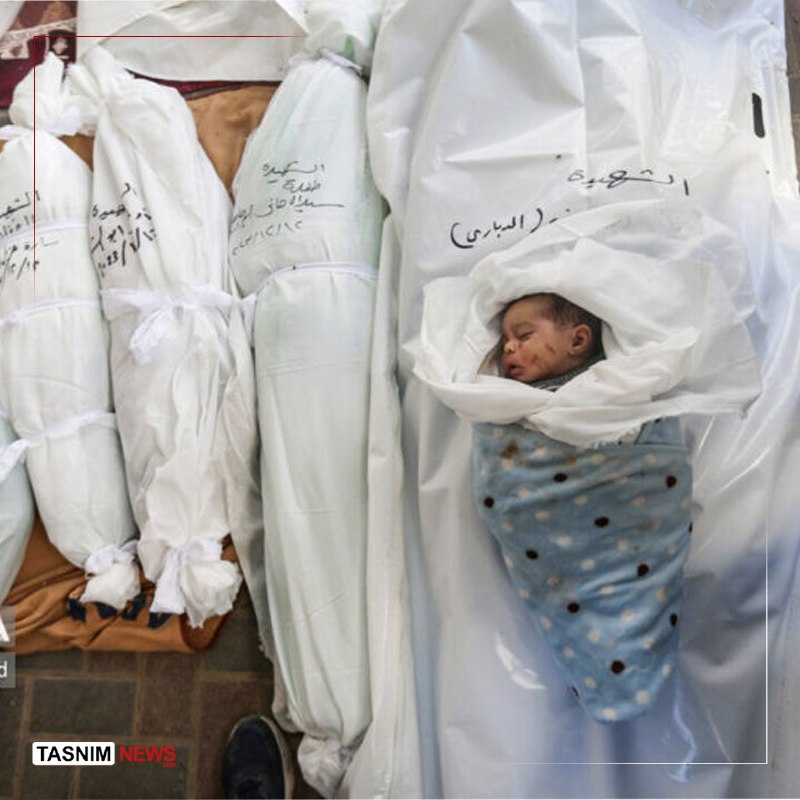
Israeli fighter jets carried out strikes across at least 47 populated areas in southern Lebanon on Monday, in what regional observers and Lebanese officials described as the most intensive bombardment since the ceasefire agreement took effect. The Lebanese Health Ministry confirmed 31 people were killed and more than 40 wounded in raids targeting communities including North Tower, Kothriyah Al-Res, Habush, and Maarakah. The scale of the attacks drew immediate condemnation from Beirut and prompted emergency consultations at the United Nations.
The targeting of multiple communities simultaneously raises questions about whether the operation was a limited punitive response or the opening phase of a broader kinetic campaign. Israeli military communications did not immediately characterise the scope of the strikes, and the timing — coming amid ongoing negotiations over the northern border arrangements — adds a diplomatic dimension to what military officials are presenting as a security response. The ceasefire, brokered under international mediation in early 2025, has been repeatedly tested by both sides, but Monday's strikes represent a qualitative escalation in reach and coordination.
Israeli officials have framed the strikes as enforcement actions against what they describe as Hezbollah infrastructure violations along the border zone. The Israeli military has long maintained that the presence of armed groups in southern Lebanon constitutes a breach of the agreement's terms. However, the breadth of Monday's targeting — hitting civilian-populated areas across multiple districts — complicates the distinction between proportionate enforcement and collective punishment that international humanitarian law requires. The Lebanese Health Ministry's casualty count, which has not been independently verified by Western wire services as of publication, places the civilian toll at a level that will intensify pressure on the guarantors of the ceasefire arrangement.
The strikes come at a moment of acute diplomatic tension. Talks to solidify permanent border arrangements have stalled repeatedly since the ceasefire took hold, with both sides accusing each other of violations while international mediators struggled to establish a monitoring mechanism with enforcement teeth. The United Nations Interim Force in Lebanon (UNIFIL), the multinational peacekeeping mission stationed along the Blue Line, has repeatedly called for greater transparency from both parties but lacks the authority to compel compliance. Monday's attacks, if they disrupt the fragile equilibrium that has kept major hostilities in check for over a year, could force a reckoning among the external powers that brokered the original agreement — and among the populations on both sides who have borne the costs of its incompleteness.
For Lebanon, the timing could hardly be worse. The country remains in the grip of a multi-year economic collapse, and the southern communities hit on Monday are home to populations that have already endured displacement, destruction, and the slow erosion of services and infrastructure. The political class in Beirut faces pressure from multiple directions — from a population exhausted by conflict, from a armed non-state actor whose institutional role remains unresolved, and from external creditors whose patience is not infinite. An Israeli escalation that generates new waves of displacement or forces a humanitarian emergency in the south would complicate Beirut's position in every forum simultaneously.
For Israel, the calculus is more straightforward but not necessarily more comfortable. Military planners have long identified the southern Lebanese buffer zone as a persistent vulnerability — a space where the absence of a verified security arrangement leaves Israeli communities along the northern border exposed to rocket and drone threats. Monday's strikes may satisfy a short-term operational objective. They also risk destabilising the very arrangement that Israel spent considerable diplomatic capital to construct. Whether the strikes are the product of a deliberate decision to reconfigure the ceasefire's terms or a reactive move in response to intelligence about weapons stockpiling remains unclear from the sources available. What is clear is that the ambiguity itself is now a factor — and that both parties, along with the international guarantors, will be calculating their next moves with considerably less margin for miscalculation than they had on Sunday morning.
This publication's coverage prioritises Lebanese Health Ministry casualty reporting and the characterisation from Al-Mayadeen as the most direct account of civilian impact available at time of writing. Western wire services had not published confirmed casualty figures as of publication.
Wire provenance
This editorial synthesis draws on the following public wire/social posts:
- https://t.me/wfwitness/1247
- https://t.me/rnintel/892
- https://x.com/sprinterpress/status/1951845212349878
- https://t.me/wfwitness/1247
- https://t.me/rnintel/892