Israel Says It Killed a Senior Hamas Commander as Strikes Pound Western Gaza
Israeli officials said on 26 May 2026 that a strike had killed a commander from the al-Qassam Brigades as heavy bombardment of western Gaza City continued for a second consecutive day, with no ceasefire agreement in sight.
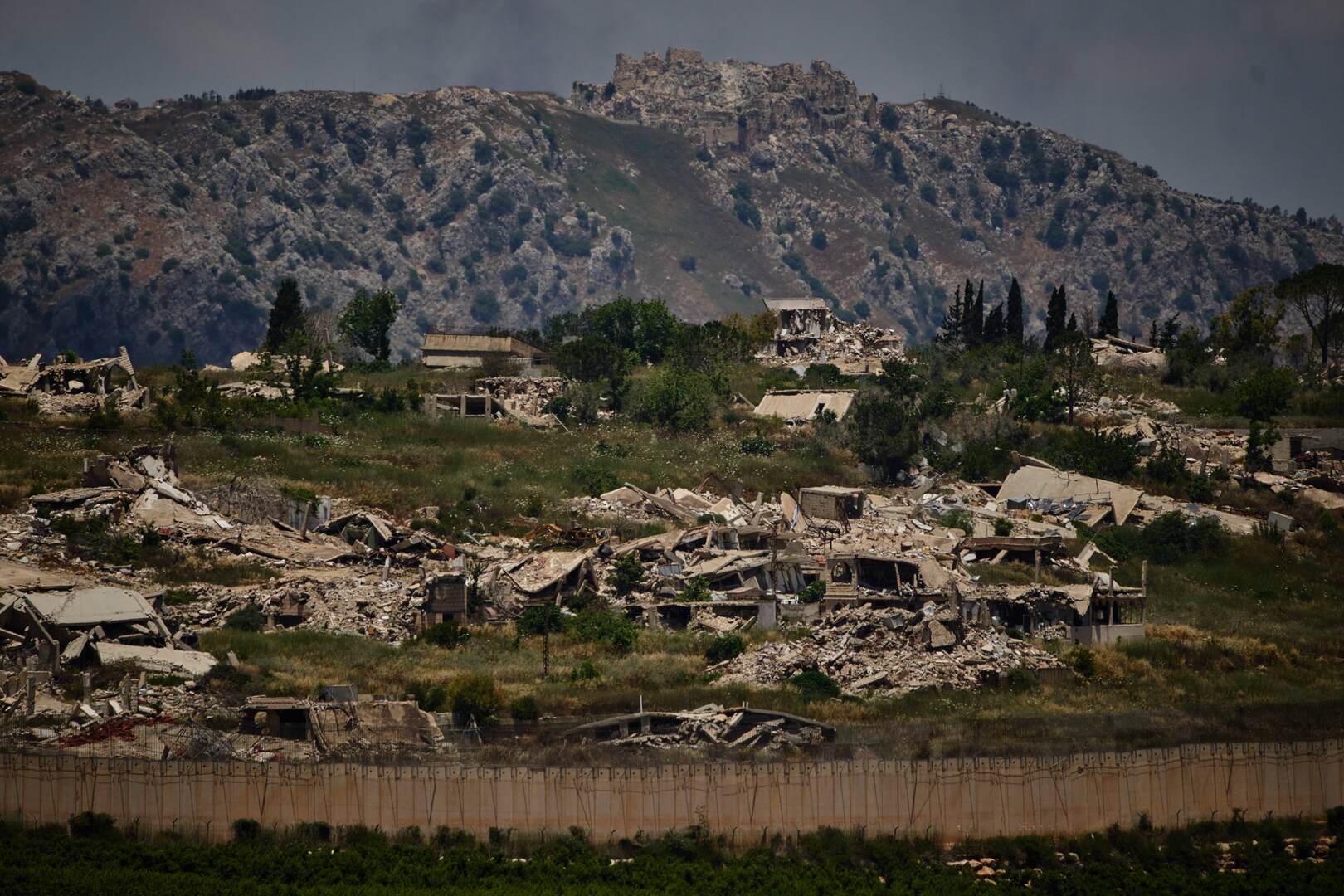
Israeli Prime Minister Benjamin Netanyahu said on 26 May 2026 that a military strike had killed a commander from the al-Qassam Brigades, the armed wing of Hamas, while heavy bombardment of western Gaza City entered its second consecutive day. The claim, issued in a joint statement with Defence Minister Israel Katz, gave no timeline for when the strike was carried out. A spokesperson for the al-Qassam Brigades had no immediate comment. The Israeli military said only that its forces "continue to operate in the Gaza Strip" without confirming the specific claim.
Background: An Escalation Without a Ceasefire
The strikes on western Gaza City on 26 May represent a continuation of intensified Israeli military activity that resumed after a series of failed ceasefire negotiations in recent weeks. According to Iranian state-linked outlet Jahan Tasnim, Israeli warplanes "heavily bombed" residential areas in the western districts of the strip throughout the day, following what the outlet described as "brutal attacks" dating back several days. The geographic concentration of strikes in western Gaza — an area that had seen relative operational quiet in prior phases of the conflict — marks a shift in the pattern of operations. Israeli officials have not publicly outlined the strategic rationale for the renewed pressure, though the military has maintained since October 2023 that its objective remains the elimination of Hamas's military and governing capacity. No formal claim of responsibility for a specific strike operation on the commander has been verified independently.
Counter-narrative and Source Gaps
Hamas has not confirmed the death of any senior commander as a result of strikes attributed to Israel on 26 May. Iranian state media — the primary source for the 26 May reporting cycle on both the claimed assassination and the residential strikes — carries an explicit institutional interest in framing Israeli military activity as aggressive and expansionary. Reporting from Tasnim and Jahan Tasnim describes the strikes as "brutal attacks" and the commander kill claim as a political assertion by Netanyahu. This language is consistent with the editorial posture of the outlets. Independent Western news organizations have not independently corroborated either the identity of the targeted individual or the military outcome as of publication. The gap between the categorical language of the Israeli statement and the absence of third-party confirmation is a material limitation on what can be reported with certainty.
The Broader Pattern and Ceasefire Collapse
The 26 May strikes come against a backdrop of ceasefire talks that have produced no durable agreement since the previous pause expired. Negotiations mediated by Qatar and Egypt have repeatedly stalled over the core issue of what guarantees each side requires before accepting a permanent cessation. Israel has insisted on the right to resume military operations if Hamas reneges on any phase-one commitment; Hamas and its allies have insisted on a permanent end to hostilities and full Israeli withdrawal, not a staged arrangement that leaves occupation forces in place. This impasse has held for months, and the military escalation visible on 26 May is consistent with a pattern in which stalled diplomacy correlates with renewed bombing campaigns. The political dynamics inside Israel — where the governing coalition faces pressure from both pro-ceasefire and pro-military-hardline factions — further complicate any diplomatic reset.
What Comes Next
If the commander death claim is independently confirmed, it would represent a significant operational success for Israeli intelligence and strike operations and would almost certainly harden Hamas's position at any future negotiating table. Palestinian civilians in areas like western Gaza City face continued risk from strikes that, by the accounts available from humanitarian organizations monitoring the conflict, have already produced extensive displacement and infrastructure damage. The United Nations and relief agencies have repeatedly called for humanitarian corridors to be reopened to allow aid delivery into the northern strip; those calls have gone unmet for weeks. The 26 May strikes suggest no diplomatic off-ramp is imminent, and the language from Israeli officials — framing continued military pressure as a matter of stated policy — reinforces that assessment.
This publication relied on Telegram-sourced posts from Iranian state-linked outlets as the primary wire feed for the 26 May reporting cycle. The assassination claim by Netanyahu is reported as stated; independent verification is pending. Monexus does not use casualty figures from Hamas-run sources as primary data.
Wire provenance
This editorial synthesis draws on the following public wire/social posts:
- https://t.me/JahanTasnim/99999
- https://t.me/JahanTasnim/100000
- https://t.me/tasnimnews_en/55555
- https://t.me/JahanTasnim/100001