Israeli Strike on Lebanon's Karun Dam Raises Questions of Legality and Escalation
Israeli forces struck Lebanon's largest dam in the Bekaa Valley on 26 May 2026, according to regional sources. Hours earlier, at least 11 people were killed in a strike on the nearby town of Mashghara.
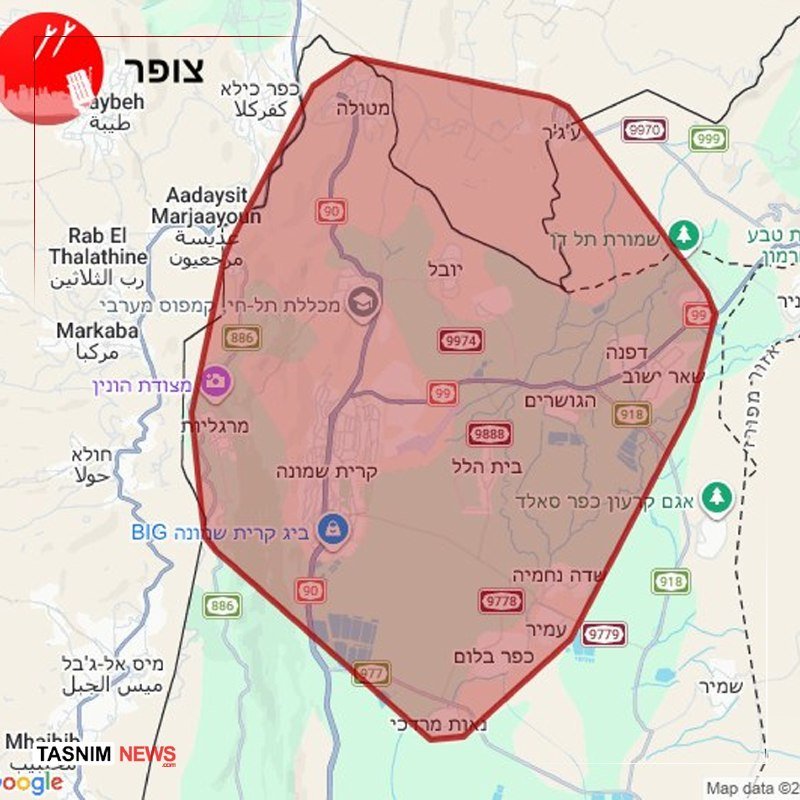
Israeli forces struck the Karun dam in the Bekaa Valley on 26 May 2026, according to regional reporting. The dam is the largest in Lebanon, supplying electricity and water to several cities across the valley. Hours earlier, at least 11 people were killed and 15 wounded in an Israeli strike on the nearby town of Mashghara, the Lebanese Health Ministry reported.
The IDF said its forces struck what it described as Hezbollah infrastructure in the Bekaa Valley, without specifying the dam by name. Israeli military statements said the strikes targeted command-and-control assets and operational capabilities belonging to Hezbollah, the Iran-aligned group that has operated in the Bekaa for decades.
The dual strikes — on a major piece of civilian infrastructure and on a populated town — arrived as cross-border hostilities between Israel and Hezbollah have continued at elevated intensity for months. The Karun dam strike has drawn particular scrutiny because of the potential consequences for water supply, agricultural irrigation, and electricity generation across the valley, where hundreds of thousands of people live.
What we verified and what we could not
Monexus was able to verify the following from the available sources: the Karun dam in the Bekaa Valley was struck by Israeli forces on 26 May 2026, based on regional reporting citing the strike and its aftermath. The Lebanese Health Ministry's figure of 11 killed and 15 wounded in Mashghara was reported by the ministry and carried by regional outlets. The IDF confirmed it conducted strikes in the Bekaa, describing targets as Hezbollah-linked infrastructure.
What the sources do not establish is the specific military justification cited by Israeli planners for striking a dam, the weapons used in the attack, the extent of structural damage, whether the dam has failed or been rendered inoperable, or the number of people who have lost access to water or electricity as a result. No independent engineering assessment of the dam's condition has been published. The sources do not clarify whether the Mashghara strike targeted a specific individual or whether any of the dead were combatants. Neither the IDF statement nor the Lebanese Health Ministry release contained that level of detail.
Claims that the Mashghara strike constituted a massacre, as described by Lebanese authorities, reflect the framing of the Health Ministry. Israeli military statements have not addressed civilian casualty allegations from that specific strike. The absence of a direct Israeli response to the civilian casualty figure leaves a factual gap that subsequent reporting will need to fill.
Immediate context: two strikes in a single day
The Bekaa Valley has been a focal point of Israeli military operations since October 2023, when cross-border hostilities between Israel and Hezbollah intensified sharply. The valley, stretching across eastern Lebanon, has served as a rear area for Hezbollah's operations and, according to Israeli military assessments, for the group's weapons storage and logistical networks. Israel's campaign has included repeated strikes on what it describes as military infrastructure throughout the region, including targets near the Syrian border.
The Mashghara strike, which killed eleven people according to Lebanon's Health Ministry, took place in the western Bekaa — the same broader region as the dam. Regional media reported the Mashghara casualties as a standalone event, with the Health Ministry naming it a massacre in its official count. The proximity in time and geography between the two strikes — within hours of each other, both in the Bekaa Valley — underscores the breadth of the IDF's operations in the area on a single day.
Israeli military spokespeople confirmed the strikes generally, framing them as operations against Hezbollah's capacity to operate in the region. The IDF did not separately address the Mashghara casualties in the statements it released.
Targeting a dam: the legal and strategic dimensions
Strikes on dams fall under heightened scrutiny under international humanitarian law because of their potential to cause widespread civilian harm if the structure is breached or rendered inoperable. The Geneva Conventions and their additional protocols classify attacks on works containing dangerous forces — including dams — as potentially indiscriminate when the consequence could be the release of forces that strike civilians or civilian objects without adequate distinction from military targets.
Israel's military has previously faced scrutiny for strikes on infrastructure in Gaza and Lebanon that international humanitarian organisations described as disproportionate or as failing to take adequate precautions. Whether the Karun dam was directly targeted, used for military purposes by Hezbollah, or struck in a manner that did not account for the catastrophic risk of failure is a question that requires documentation the current sources do not provide.
Hezbollah has operated in the Bekaa Valley for decades, and Israeli military assessments have long cited the region as a locus of the group's logistical infrastructure. A dam large enough to serve multiple cities could, in theory, be used for military purposes — to power installations, supply water to forward positions, or serve as a physical obstacle to military movement. Israeli spokespeople have not, however, published the specific justification for this strike in the detail that would allow an independent legal assessment.
The pattern of targeting critical infrastructure — power stations, water systems, roads — has been a consistent feature of the Israel-Hezbollah conflict since the escalation began in late 2023. In Gaza, the targeting of water and sanitation infrastructure has been documented by UN agencies and humanitarian organisations. The Karun dam strike, if confirmed as a direct targeting decision rather than incidental damage, would extend that pattern to the highest-profile piece of water infrastructure in Lebanon.
Escalation and the regional picture
Lebanon entered this period of heightened conflict while still absorbing the economic and political devastation of the 2019-2023 period. The country has had no functioning president since late 2022. Hezbollah's political and military apparatus has been under sustained pressure — Israeli strikes have killed a significant number of the group's senior figures over the past eighteen months, including itslongtime leader Hassan Nasrallah in September 2024. The loss of command infrastructure has degraded Hezbollah's organisational capacity, according to Western assessments, but the group has continued to conduct strikes into northern Israel and maintain its presence in southern Lebanon.
Israel's stated goal in the north has been to allow the return of tens of thousands of residents to communities near the border who were displaced by Hezbollah's rocket and missile fire. Achieving that requires either a sustained degradation of Hezbollah's military capacity or a diplomatic arrangement that would push the group north of the Litani River. Neither outcome has materialised. Instead, the strikes have continued — on leadership targets, weapons depots, and now, apparently, on a major civilian dam.
The strategic logic, as Israeli spokespeople have presented it, is that degrading Hezbollah's infrastructure across the Bekaa reduces the group's capacity to sustain a protracted conflict. The risk, critics have noted, is that repeated strikes on civilian infrastructure and populated areas deepen hostility among a Lebanese population that has already borne enormous losses — and that has no formal role in decisions that have brought the country to the edge of a wider war.
The immediate consequences of the Karun dam strike — disruption to water supply and electricity generation across the Bekaa — will fall on civilians who have had no say in the conflict's trajectory. Whether the strike was militarily justified, whether the IDF took adequate precautions against catastrophic failure, and whether the Mashghara strike targeted combatants or civilians are questions that will determine whether these events attract further legal scrutiny. The sources available at time of publication do not answer them.
This publication covered the Karun dam and Mashghara strikes based on regional reporting and Lebanese Health Ministry data, rather than leading with the IDF's framing of its own operations.
Wire provenance
This editorial synthesis draws on the following public wire/social posts:
- https://t.me/TheCradleMedia
- https://t.me/thecradlemedia
- https://t.me/TheCradleMedia