The Knicks' Unexpected Ascent and What It Reveals About Modern NBA Roster Building
An eleven-game winning streak and a franchise-altering coaching change have propelled the Knicks to their first NBA Finals appearance in nearly three decades — a development that raises broader questions about how teams build sustainable contenders in the modern game.
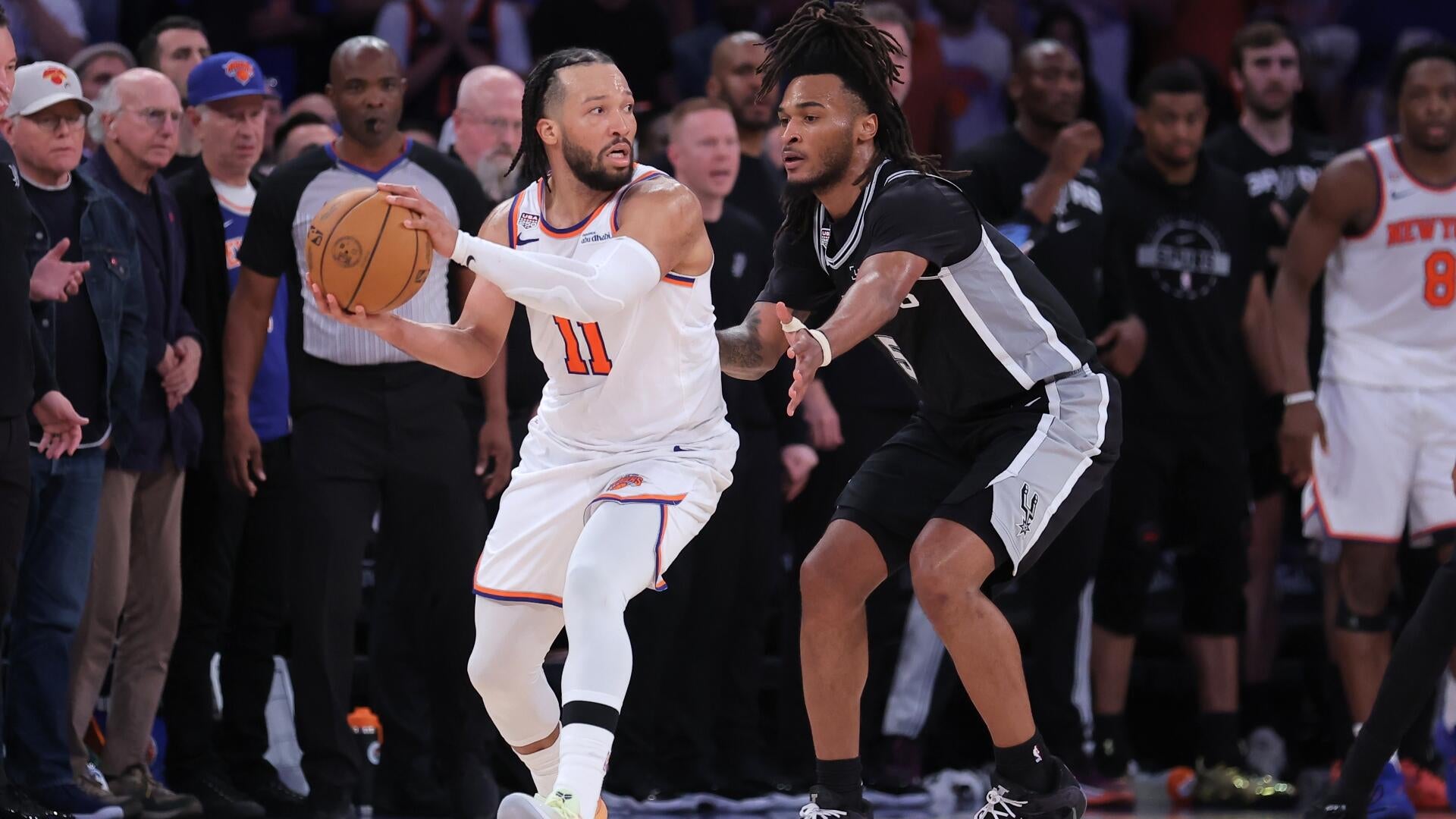
The New York Knicks entered the 2025-26 season as a franchise perpetually rebuilding, their history since the 1999 Finals appearance reduced to a cautionary tale about mismatched contracts, miscast coaches, and the peculiar dysfunction that seems to follow the franchise no matter who occupies the executive suite. By late May 2026, they are preparing for an NBA Finals berth — the product of eleven consecutive wins, a coaching reset, and a roster construction philosophy that has quietly reoriented the franchise's identity around two-way play and positional versatility.
The question worth asking is not merely whether the Knicks can sustain this run, but what structural conditions allowed a team that finished outside the playoff picture two seasons ago to transform into a legitimate championship contender so rapidly. The answer, sources across sports coverage confirm, involves a confluence of coaching decisions, front office willingness to absorb short-term risk for long-term flexibility, and an organizational culture that has, by most accounts, fundamentally shifted.
The Coaching Calculus
The franchise's trajectory changed decisively with its mid-season coaching change. The move away from the previous regime — a decision described in ESPN's reporting as both bold and necessary — opened the door to a style of play that prioritized defensive connectivity and offensive patience over individual heroics. The new staff's emphasis on team defense, multiple rotations, and a sharing-of-the-ball approach replaced what sources described as a more isolation-heavy system that had repeatedly stalled in clutch situations.
Coaches in the modern NBA operate under enormous pressure to produce immediate results while also developing players for a league where rookie contracts eventually give way to second contracts that can cap a team's ceiling. The Knicks' decision to commit to a system-first approach — rather than simply acquiring the most talent available — represented a philosophical bet that has, so far, paid dividends.
The results speak for themselves. Eleven straight wins, including a playoff run that has seen the Knicks dispatch higher-seeded opponents with a combination of stifling defense and timely shooting, has validated the front office's choice to prioritize fit over star power in several key roster decisions.
What Changed in the Locker Room
Sports coverage of the Knicks' season has consistently pointed to a culture shift as central to their transformation. The term "culture reset" appears frequently in coverage of the franchise's recent trajectory, and while the phrase risks becoming a cliché in sports journalism, the evidence suggests something genuine changed in how players approached their preparation, their communication with one another, and their collective accountability.
Players who had previously been conditioned to operate within a system that rewarded individual counting stats began buying into a model that measured success through defensive stops, ball movement, and team net rating. The transition was not seamless — sources note moments of friction during the early months of the new regime — but by the time the postseason arrived, the team had developed a cohesion that opponents found difficult to disrupt.
This matters because NBA rosters turnover with relative frequency. Superstar acquisitions can reshape a team's ceiling overnight, but they can also introduce friction into locker rooms that have built chemistry around different principles. The Knicks' path to the Finals required navigating that tension without sacrificing the collective identity they had constructed.
The Broader NBA Picture
The Knicks' run invites broader questions about how NBA franchises build championship-caliber teams in an era when star movement has become more fluid, supermax contracts have compressed cap flexibility, and analytics have forced a reckoning with long-held assumptions about roster construction.
Traditional wisdom held that acquiring multiple All-NBA talents was the only reliable path to contention. The Knicks, by contrast, built around a core of high-character players whose individual ceilings were less celebrated than their collective floor. Jalen Brunson's evolution into a legitimate primary option — a trajectory that ESPN's reporting frames as both organic and strategic — provided the offensive engine without requiring the franchise to sacrifice the assets and flexibility that allowed them to make key additions at the trade deadline.
The question now is whether the Knicks' model is replicable or simply the product of particular circumstances that cannot be transplanted. Teams across the league have attempted similar approaches — prioritizing fit over talent, emphasizing system over star power — with mixed results. The Knicks' success suggests that when the coaching, culture, and organizational patience align, the model can produce genuine championship contention. Whether that model would survive the pressure of a Finals series against a team built around more conventional star-power principles remains to be seen.
What Comes Next
The Knicks enter the NBA Finals as underdogs against an opponent whose roster construction follows more traditional lines. The gap in playoff experience alone would suggest a learning curve that may prove steep. But the team arrives in the Finals having demonstrated an ability to execute under pressure, a defensive system that has flustered multiple opponents, and a locker room that sources describe as uncommonly united.
The broader stakes extend beyond this single series. If the Knicks can compete effectively — or even win — it will reinforce a growing skepticism about the orthodoxy that championship windows open only when multiple max contracts converge on the same roster. It will also put pressure on franchises that have elected to "go for it" through star acquisition rather than through patient development and organizational alignment.
The NBA Finals, for the Knicks, represent a validation of a process that many franchises would not have had the patience to execute. Whether that validation holds will determine not only where the franchise stands in 2026, but how the league's broader understanding of championship construction evolves in the years ahead.
Monexus chose to frame this story around organizational culture and structural roster decisions rather than focusing on individual star narratives — reflecting a conviction that the Knicks' trajectory illustrates a replicable model rather than a singular set of circumstances.