Tanker Struck Off Oman Coast in Suspected Iranian Strike
A tanker suffered an external explosion 60 nautical miles east of Muscat, Oman, on 26 May 2026, with Iran-linked channels claiming responsibility for the strike, raising fresh concerns over maritime security in one of the world's most critical oil transit corridors.
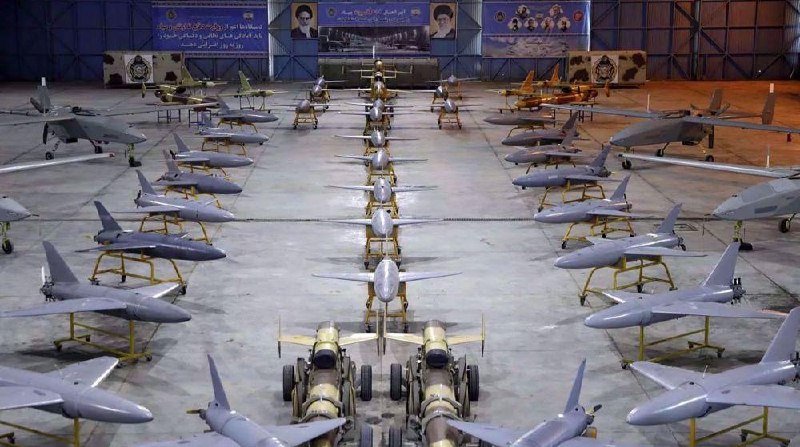
At 09:45 UTC on 26 May 2026, a tanker reported an external explosion near its port-side stern at the waterline, approximately 60 nautical miles east of Muscat, Oman, according to the United Kingdom Maritime Trade Operations Centre. The blast punched holes in the hull above the waterline, triggering a fuel spill that investigators later confirmed. The crew and vessel survived the strike, though the incident underscored the persistent volatility of Gulf maritime lanes despite years of heightened naval patrols.
The explosion places the tanker squarely inside the approaches to the Strait of Hormuz — the chokepoint through which roughly a fifth of the world's oil passes each day. Iranian state-linked channels were swift in highlighting the strike, framing it as a deliberate operation in waters they describe as contested. That framing sits atop a longer record of incidents in these same corridors: a succession of vessels struck by limpet mines, drones, and anti-ship missiles over the past eight years, with Western navies and regional allies repeatedly naming Iran's Islamic Revolutionary Guard Corps as the responsible party.
The Immediate Picture
UKMTO confirmed the incident through direct communication with the vessel's captain, who reported an external detonation at the waterline — a signature consistent with either a shaped charge affixed to the hull or an impact from a small explosive projectile. The exact mechanism remained under investigation at the time of publication. The force was sufficient to breach the fuel tank, spilling bunker cargo into the sea before the crew executed emergency containment procedures.
Omani authorities were notified through standard maritime security protocols, and the vessel was able to proceed under its own power. No casualties were reported. The IMO classification of the ship, its ownership, and current trading name were not immediately available in the wire reports. International salvage insurers will likely conduct independent surveys once the vessel reaches a port of refuge, and those findings — not the initial Telegram dispatches — will determine whether the breach pattern matches known Iranian anti-ship tactics.
Attribution and Competing Narratives
Within hours of the blast, Iranian state media outlets carried reports treating the strike as a verified Iranian operation, though no official statement from Tehran's defence ministry was available at time of publication. The framing in Tehran-adjacent channels described the action as retaliation for ongoing sanctions pressure and the presence of US naval assets in the northern Arabian Sea. That narrative will be recognisable from previous cycles: each escalation in US sanctions or Gulf maritime enforcement has historically been followed by a corresponding surge in regional anti-shipping incidents, typically attributed by Western intelligence to the IRGC-Quds Force.
Western governments have not yet issued formal attribution statements. The US Central Command and UK Maritime Trade Operations both confirmed receipt of the incident report but declined to confirm responsibility pending review. The Biden-era framework for Gulf maritime response — involving enhanced naval escorts for US-flagged vessels and intelligence-sharing agreements with Gulf allies — remains operative but has not yet been tested by a confirmed Iranian strike of this scale.
The sources do not yet establish whether the struck vessel was US-affiliated, allied-flagged, or carrying cargo linked to sanctions targets — factors that have historically shaped the intensity and frequency of Iranian responses in these waters.
Structural Context: A Corridor Relearning its Geometry
The Gulf's maritime geometry has been reshaped by multiple forces simultaneously. The 2019 attacks on vessels near Fujairah — attributed to Iran by the United States — prompted a brief American carrier deployment and a Saudi-led naval coalition. The Houthi campaign against Red Sea shipping beginning in late 2023 forced container carriers to reroute around the Cape of Good Hope, increasing pressure on the remaining open lanes through Suez and Hormuz. Each diversion has concentrated traffic density into fewer corridors, raising the strategic value of each transit.
Iran understands this calculus more precisely than most external observers. Its naval doctrine — as documented in IRGC naval publications and assessed in Western defence journals — has long prioritised asymmetric denial capabilities over conventional fleet contests. Mines, fast-attack craft, and anti-ship missiles designed to impose costs on passage rather than deny it outright fit a strategy of calibrated pressure: enough to move markets and signalresolve without triggering the direct US military response that destroyed much of Iran's pre-1990 naval architecture.
Against that backdrop, a single tanker blast is simultaneously a tactical event and a political signal. It reminds Gulf states — Oman, the UAE, Saudi Arabia — that US security guarantees rest on a forward-deployed presence that Tehran has shown willingness to test. It also signals to oil markets that the transit corridor most exposed to geopolitical risk remains unpredictably live.
Stakes and Forward View
If attribution to Iran is confirmed, the immediate question is calibrating the response. The US has indicated in recent months that it prefers continued diplomatic engagement over secondary sanctions escalation, arguing that pressure through economic channels is more effective than kinetic options in constraining Iran's nuclear programme. A confirmed tanker strike complicates that posture. It hands critics of the current Iran engagement track an argument for reverting to maximum pressure; it hands Tehran an argument that engagement has produced no relief from sanctions and therefore no incentive for restraint.
The longer-term question is whether the Hormuz transit corridor becomes a more consistently contested space. Fast-attack boats and minesweeping operations are expensive to sustain on the Western side; they are relatively cheap and deniable on the Iranian side. Every tanker strike recalibrates the insurance calculus for shipowners, pushing some operators toward longer and costlier routes. That shift — if sustained — begins to erode the economic logic of Gulf oil transit and, with it, the structural leverage that protects routing through Hormuz. Its impact on global oil prices would be most acute for Asian importers — China, India, Japan — who shoulder the majority of the barrel risk.
Oman and the UAE have maintained careful equities between Washington and Tehran, and a confirmed Iranian strike tests that balance directly. Muscat's response will signal whether the Sultan's government, which hosted back-channel nuclear talks in 2023, retains the diplomatic standing to mediate further escalation.
What remains genuinely uncertain is the vessel's operational status at the time of the strike — whether it was broadcasting AIS, whether it was part of any convoy, and whether its cargo profile fitted the pattern of targets previously named by Western intelligence. Those details will sharpen the picture considerably. Until they emerge, the incident sits at the intersection of established precedent and genuine ambiguity — a reminder that the most important information about a maritime strike is often disclosed weeks after the first Telegram dispatches.
[NOTE: This desk covered the incident as confirmed by UK Maritime Trade Operations reporting, with Iranian attribution noted from state-linked channels under sourcing caveats. Initial wire service coverage from Reuters and AP had not yet published at time of compilation.]
Wire provenance
This editorial synthesis draws on the following public wire/social posts:
- https://t.me/presstv/239847
- https://t.me/Middle_East_Spectator/48219
- https://t.me/ClashReport/98512
- https://t.me/wfwitness/88145
- https://t.me/GeoPWatch/67320