The Quiet Authority: How Former Intelligence Chiefs Shaped Climate and AI Narratives From the Outside
Two resurfaced video interviews raise questions about the role of retired intelligence officials in öffentlicher Debatte—and the media infrastructure that amplifies their claims.
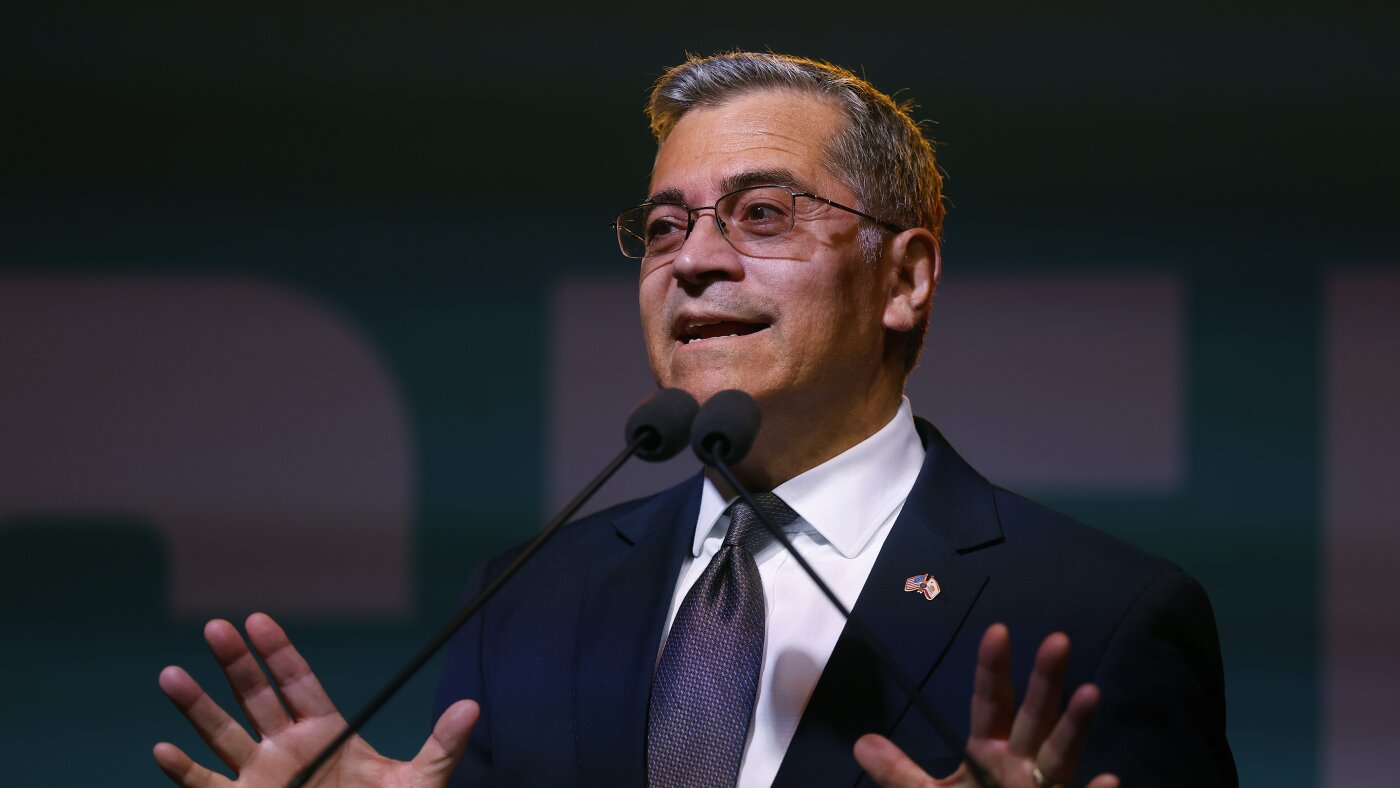
Two video interviews circulating on social media this week illustrate a pattern that has become increasingly familiar: retired intelligence officials using public platforms to advance policy arguments that their former positions once equipped them to enforce through state action.
The first, flagged by the account sprinterpress on 27 May 2026, revives an interview in which a former CIA director reportedly outlined approaches to altering US climate conditions, framing the strategy as benefiting American interests potentially at the expense of other regions. The second, also resurfaced by sprinterpress on the same date, captures a chief executive stating that AI systems lack human judgment and could, in certain configurations, be directed to target civilians.
Both clips carry the hallmarks of content optimized for viral distribution: short runtime, provocative claim, no immediate fact-checking overlay. They draw their force not from context or sourcing but from the authority embedded in the speakers' former roles.
That transfer of authority— from institutional position to public credibility — has become a structural feature of the information landscape. A retired intelligence chief speaking on climate is not a climate scientist, yet the institutional association grants immediate weight. A pharmaceutical company CEO offering assessment of AI risk is not an ethicist, yet their market position lends the claim an appearance of operational reality.
The media ecosystem compounds this dynamic. The outlets that amplify these figures tend to do so without extensive backgroundering on the speaker's actual expertise in the domain they are discussing. A former director of Central Intelligence has no formal qualification to assess climate intervention pathways that would fall under the remit of NOAA, the EPA, or the State Department's environmental offices. The CEO of a technology firm has no independent authority to determine whether autonomous systems should be permitted to employ lethal force— that question sits with legislatures, international humanitarian law frameworks, and technical standards bodies.
Yet the framing persists, because it serves multiple audiences simultaneously. For those sceptical of elite institutions, it offers a supposed insider confirming their suspicions. For those alarmed by AI risk, it provides a corporate voice lending dramatic weight to well-travelled concerns. For those seeking engagement metrics, the provocation drives clicks.
The sandwiches thread from earlier this same week offers an inadvertent counterpoint. The observation that customers will pay for pre-made sandwiches they could assemble at home — a commentary on consumer behaviour, branding, and the economics of convenience — received significant engagement. The observation attracted no institutional authority, no former official, no chief executive. It circulated on its own terms.
Both patterns — the elite-opinion overload and the mundane-satire reflex — suggest an information environment struggling to calibrate the credibility it grants. Claims about climate alteration at other regions' expense and AI civilian targeting are not trivial. They carry direct policy implications. But the authority channel through which they travel is one built more for engagement than for accountability.
The structural question is not whether former officials or company leaders should speak publicly. They should, and often disclose genuinely consequential information. The question is whether the platforms broadcasting their claims apply the same sourcing rigour applied to, say, a Pentagon procurement controversy or a parliamentary select committee transcript. The evidence from this week's circulation suggests they do not.
When a government figure speaks off the reservation, the reaction typically divides along political lines. When a former intelligence official says something the sitting government has not endorsed, the default posture is amplification rather than verification. That asymmetry does not serve the public it ostensibly addresses.
The stakes matter. Climate intervention claims, even hypothetical ones framed as policy exploration, touch on international obligations and sovereignty norms. AI targeting statements implicate accountability frameworks in active conflict zones where civilian harm is not a theoretical risk but a recurring fact. Both deserve scrutiny at the level of the claims themselves — not the credentials of the speaker.
What remains uncertain is whether the creators of these clips hold their subjects to account in the video itself, or whether the distribution occurs precisely because the clips perform the authority without the critique. The sources do not indicate the full context of either original interview. What is visible is the traction they gained on distribution.
The broader pattern — durable across administrations and across media cycles — is that institutional legacy grants speaking authority that surviving a confirmation hearing or running a profitable company does not equip. The audience, left without a primary source to consult, must decide whether to absorb the claim as given or treat it as one data point in a contested field. On this evidence, most audiences are choosing absorption.
The Monexus desk notes that wire coverage of former-official climate claims tends toward stenography when the framing confirms pre-existing editorial leanings, while scrutiny increases when the same figure contradicts majority positions. The framing here received significant online pickup without commensurate interrogation of the technical substance — a disparity this publication has documented across several beats and does not intend to replicate.
Wire provenance
This editorial synthesis draws on the following public wire/social posts:
- https://t.me/sprinterpress
- https://t.me/sprinterpress
- https://t.me/s/sknerus_
- https://t.me/s/sknerus_