Hezbollah announces strike on Israeli forces at Lebanese cultural site
Hezbollah announced a missile strike targeting Israeli military vehicles and a gathering of soldiers at the Cultural Complex in the eastern Lebanese village of Zawtar on May 27, 2026, without providing casualty figures or evidence of damage.
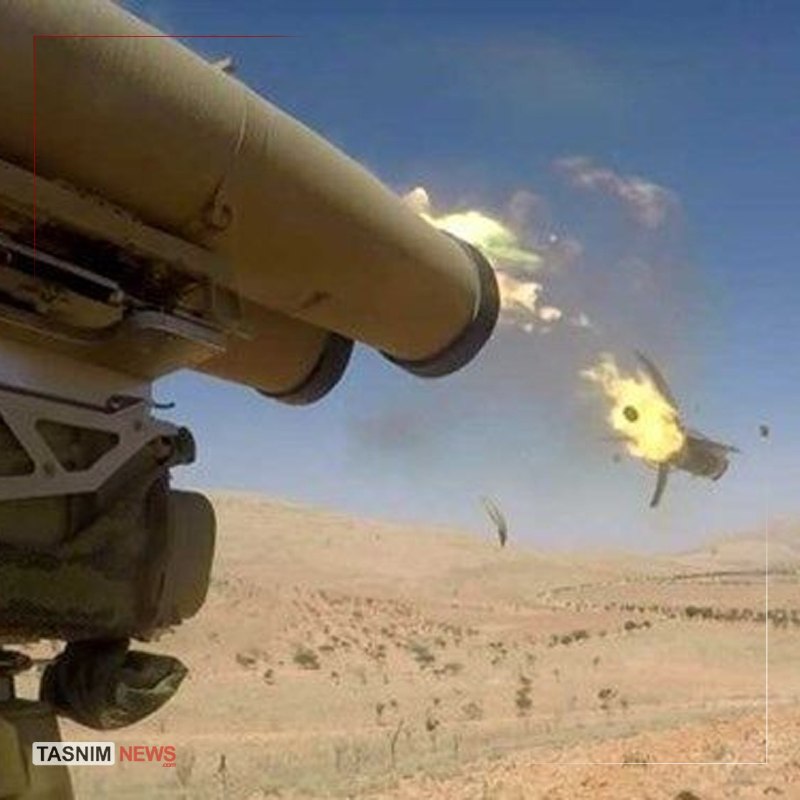
Hezbollah announced on May 27, 2026, that its fighters had struck a gathering of Israeli military vehicles and soldiers positioned at the Cultural Complex in the eastern Lebanese village of Zawtar using a missile launcher. A second Telegram post from the same Arabic-language outlet, carried roughly an hour earlier, cited a separate announcement targeting a position on Al-Khazzan Hill — another elevation within Zawtar. The strikes were disclosed without casualty figures, structural-damage assessments, or independent corroboration at the time of publication.
The announcements arrive against a backdrop of sustained cross-border hostilities that have defined life along the Israel-Lebanon frontier since Hamas's October 7, 2023 assault on southern Israel. Hezbollah entered the exchange early, drawn in part by its stated solidarity with Gaza. Over three and a half years, what began as targeted retaliation has evolved into grinding attrition, displacing civilian populations on both sides of the boundary and generating a persistent humanitarian strain neither government has resolved.
What the Telegram posts disclose — and what they do not
The posts from the Arabic-language broadcaster on May 27 set out a precise operational claim: Hezbollah had positioned a missile launcher against two separate sites in Zawtar — the village's Cultural Complex and a hilltop feature called Al-Khazzan Hill — and executed strikes against assembled Israeli forces. Hezbollah's framing cast the targets as an "enemy army" gathering, consistent with the group's established rhetoric against Israeli military presence.
What the disclosure omits is substantial. It contains no casualty count, no description of equipment losses, no imagery from the strike sites, and no operational detail — such as missile type, time of impact, or altitude of the firing position — that would allow outside analysts to triangulate the claim against physical evidence. Military sources in Tel Aviv had not issued a public statement on the strikes by late evening UTC on May 27, in line with common practice where confirmation cycles for cross-border engagements often lag several hours behind the events themselves.
The Cultural Complex designation is notable. Civilian-infrastructure references carry weight in conflict reporting, partly because international humanitarian law distinguishes protected sites from military objectives and partly because the designation signals intent — whether the strike was designed to inflict harm on fighters or to damage a structure with symbolic or community value. Without independent verification, that distinction cannot be resolved from the Telegram disclosures alone.
The contested character of Zawtar
Zawtar sits in the eastern reach of south Lebanon, a few kilometres north of the Litani River. Several villages in this corridor — Ayta ash-Shaab, Dhaim, and Kfar Kila among them — have absorbed the heaviest operational burden of the past three years. Hezbollah fighters evacuated their original forward positions in the months after October 2023, dispersing into the village fabric rather than concentrating at identifiable installations. The civilian infrastructure that surrounds them has since become terrain of strategic ambiguity.
Hezbollah's stated rationale for cross-border operations has consistently invoked the Gaza conflict: support for the Palestinian cause, pressure on Tel Aviv to alter its conduct in the Strip, and a broader narrative of resistance. Israel's framing has been more direct: the exchange is a defensive response to an armed group that launched attacks from Lebanese territory. The gap between those characterizations has not narrowed over three years of negotiating — and failing to conclude — a ceasefire.
The strikes at Zawtar on May 27 sit within that pattern. Hezbollah announced a capacity to reach assembled Israeli forces in Lebanese-adjacent territory and disclosed intent to continue operating. The Telegram posts do not specify whether fresh Israeli ground activity in the border zone, an overflight by Israeli aircraft, or some other trigger prompted the timing.
The geopolitical stakes extend beyond the village
Each announcement along the Lebanon-Israel boundary carries weight that the immediate tactical disclosure obscures. Israel's northern communities — nearly 60,000 residents evacuated under government order, though some have returned in recent months — face an unresolved security horizon that constrains public policy, reconstruction planning, and diplomatic flexibility in Tel Aviv. Lebanon, a state with a functioning army but limited capacity to enforce sovereignty against an armed non-state actor, faces an independent set of pressures: economic strain, Syrian refugee costs, and the political grip of a militia whose institutional position is constitutionally embedded.
The United States has sought, intermittently and without sustained success, to broker a separate arrangement governing the Lebanon-Israel boundary. French involvement through de facto channel diplomacy has been negotiated and collapsed more than once. The underlying dynamic is structural rather than incidental: neither party has found terms that satisfy mutual security needs, and the price of continued failure is paid by civilians on both sides.
Whether the strikes in Zawtar on May 27 represent a deliberate change in Hezbollah's targeting posture — perhaps in response to shifting dynamics in Gaza ceasefire discussions — or simply the rhythm of an ongoing operational cadence is not answerable from the announcements alone. The Telegram posts disclose what Hezbollah says it did. The broader question of what the strike means for the trajectory of the boundary conflict is a matter that will outlast the disclosure.
This article is based on Telegram-sourced announcements by Hezbollah via the Al Alam Arabic wire service. No corroborating statement from the Israel Defense Forces was available at time of publication. Monexus did not independently verify casualties, structural damage, or the military status of the named cultural site.
Wire provenance
This editorial synthesis draws on the following public wire/social posts:
- https://t.me/alalamarabic/872345
- https://t.me/alalamarabic/872341
- https://t.me/alalamarabic/872338