Israeli Ground Campaign in Lebanon Deepens as Strikes Kill 31 in Bint Jbeil
Israeli forces have intensified ground operations in southern Lebanon, with strikes killing 31 people in Bint Jbeil on Tuesday, according to Lebanon's health ministry. Prime Minister Netanyahu said his military was taking control of strategic areas as the campaign expands.
Israeli strikes killed 31 people in the southern Lebanese town of Bint Jbeil on Tuesday, Lebanon's health ministry reported, wounding a further 40. Among the dead were at least four children and three women, according to figures published by the ministry in Beirut. The attack, which struck a residential area, marked one of the single deadliest incidents in southern Lebanon since Israel's ground campaign broadened in recent weeks.
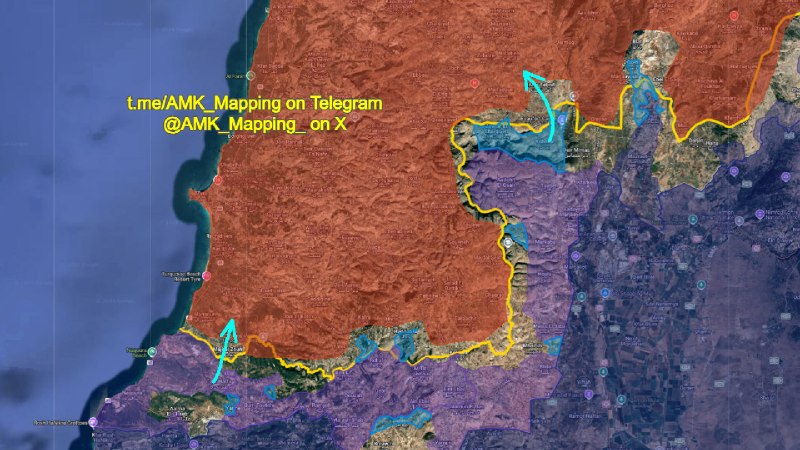
Prime Minister Benjamin Netanyahu said the same day that Israeli forces were operating with large ground formations in southern Lebanon and taking control of strategic areas. His office's statement confirmed an intensification of operations that military spokespeople described as aimed at eliminating Hezbollah infrastructure along the border. The campaign, launched in coordination with the ongoing conflict in Gaza, has progressively expanded into a ground-held zone that Lebanese officials and UN observers describe as a de facto occupation corridor.
The Bint Jbeil Toll
The health ministry in Beirut confirmed the 31-fatality figure on 27 May 2026. The ministry identified among the dead at least four minors and three women; the remaining casualties were men, many of them in the 25-to-50 age range consistent with civilian casualties in populated border towns. Forty others were wounded, overwhelming local medical facilities that had already been strained by months of intermittent bombardment. The strikes targeted what the Israeli military described as a weapons-storage site in Bint Jbeil; local residents and media reported that the area hit was close to a market and residential blocks.
Bint Jbeil sits roughly twelve kilometres north of the Israeli border in south Lebanon's Nabatieh governorate. The town has been a focal point of Hezbollah activity and, according to Israeli targeting documents reviewed by international observers, a site of repeated military designation. The civilian infrastructure around it — schools, clinics, a small hospital — had been operating on reduced capacity for months before Tuesday's strike.
The IDF confirmed it had carried out the strikes and said they were part of an ongoing operation against Hezbollah positions. It said it was reviewing the reports of civilian harm. No independent verification of the weapons-storage claim was immediately available.
A Campaign That Has Shifted Gears
Netanyahu's statement on 27 May represented a marked rhetorical escalation. Rather than describing defensive operations or targeted raids — language the Israeli government had used in earlier phases — he described a deliberate effort to control terrain. "The Israeli military is operating with large forces on the ground in Southern Lebanon, and is taking control of strategic areas," his office said, according to a post on X by the account @unusual_whales citing the Prime Minister's office.
That framing aligns with what regional analysts have described as a shift from attrition to consolidation. Israeli forces have established positions in border villages that are largely empty of their original populations. The IDF has built forward operating bases in at least three locations, with engineering units constructing access roads and fortifications, according to reporting by France 24. The expanded ground footprint appears designed to create a buffer zone, something the Israeli government has discussed publicly without formally announcing.
Hezbollah has continued to fire rockets into northern Israel throughout the campaign. Several projectiles were intercepted or fell in open areas on Tuesday, causing no reported casualties but maintaining pressure on communities in northern Israel who have been displaced for months. The group confirmed it had carried out attacks targeting Israeli positions in the border zone.
A Border Zone Under Pressure
The operational picture on the ground is difficult to independently verify. Lebanon's state news agency and health authorities in Beirut have provided casualty figures; international journalists have limited access to southern Lebanon, where Israeli bombardment and ground operations have made reporting from the area nearly impossible. What is clear is that the civilian toll is concentrated in towns with no military value, according to displacement monitoring groups operating in the area.
The United Nations Interim Force in Lebanon, UNIFIL, confirmed on Tuesday that its peacekeepers had observed Israeli armoured vehicles moving into areas south of the Blue Line — the demarcation agreed after the 2006 war — and that it had filed formal objections with the parties. The force said its freedom of movement had been restricted in multiple locations and that its liaison offices had been damaged in recent strikes.
Lebanon's caretaker government, led by Prime Minister Najib Mikati, filed a formal complaint with the UN Security Council on 26 May, calling Israel's ground operations a violation of Lebanese sovereignty and demanding an immediate ceasefire. The complaint noted that the strikes had damaged civilian infrastructure including a water pumping station serving three villages, an electrical substation, and a primary health clinic in the Bint Jbeil area.
International diplomatic efforts to broker a ceasefire have so far produced no agreement. The United States, France, and Qatar have all engaged with the parties, and US Secretary of State Antony Blinken made calls for de-escalation in the days before Tuesday's strike. Those calls have not resulted in a pause. French President Emmanuel Macron spoke with Netanyahu on 26 May and called for a negotiated solution, according to statements from the Élysée Palace. The response from Jerusalem was to expand ground operations.
What Comes Next
Netanyahu's statement that Israeli forces are consolidating positions in southern Lebanon marks a point of no return in the trajectory of the conflict. Ground control — even of a limited corridor — is difficult to reverse without a negotiated withdrawal that neither side has signalled it is prepared to accept. Hezbollah has said it will not stop firing rockets until a ceasefire in Gaza is agreed; the Israeli government has said the two conflicts are linked operationally, not diplomatically, meaning progress on one does not automatically produce progress on the other.
For the roughly 90,000 people who have been displaced from southern Lebanon's border villages, the prospect of returning home is receding. UNIFIL's mandate remains intact but its capacity to protect civilians in areas where Israeli forces are now dug in is effectively limited. The Lebanese Armed Forces, outmanned and outgunned, have stayed in their positions but have been unable to contest Israeli advances.
The Biden administration faces a choice that has become increasingly familiar across multiple Middle Eastern theatres: whether to use its leverage with Israel — and that leverage is real, given US arms supplies and diplomatic cover — to force a ceasefire, or to accept the ground reality as it develops and work around its edges. Senior officials have said privately that a ceasefire deal remains the goal. Tuesday's toll in Bint Jbeil suggests that goal remains distant.
France 24 reported from Beirut that Lebanese officials were weighing whether to request an emergency session of the Arab League or to bring the matter directly to the Security Council. Neither venue has previously produced binding action on the Lebanon front, but the filing of a formal complaint in Beirut on 26 May represents a ratcheting up of the diplomatic response that will complicate the position of any Western government hoping to keep the conflict below a certain threshold.
The death toll in Bint Jbeil on Tuesday stands at 31, according to the health ministry in Beirut. The wounded number 40. The IDF says it struck a military target. The town has largely emptied. Whether that pattern repeats will depend on decisions made in Jerusalem, in Beirut, and in Washington — decisions that Tuesday's strikes suggest are not being coordinated with each other.
Wire provenance
This editorial synthesis draws on the following public wire/social posts:
- https://t.me/france24_en/41032
- https://x.com/unusual_whales/status/1921961940179669254