Kenya Ramps Up Ebola Screening as US Plans Quarantine Facility Near Nairobi
Kenya is establishing holding areas and border screening centres in response to an Ebola surge in the Democratic Republic of Congo and Uganda, as Washington moves to set up its own quarantine facility on Kenyan soil — a dual response that highlights both the epidemiological risk and the geopolitical footprint that comes with it.
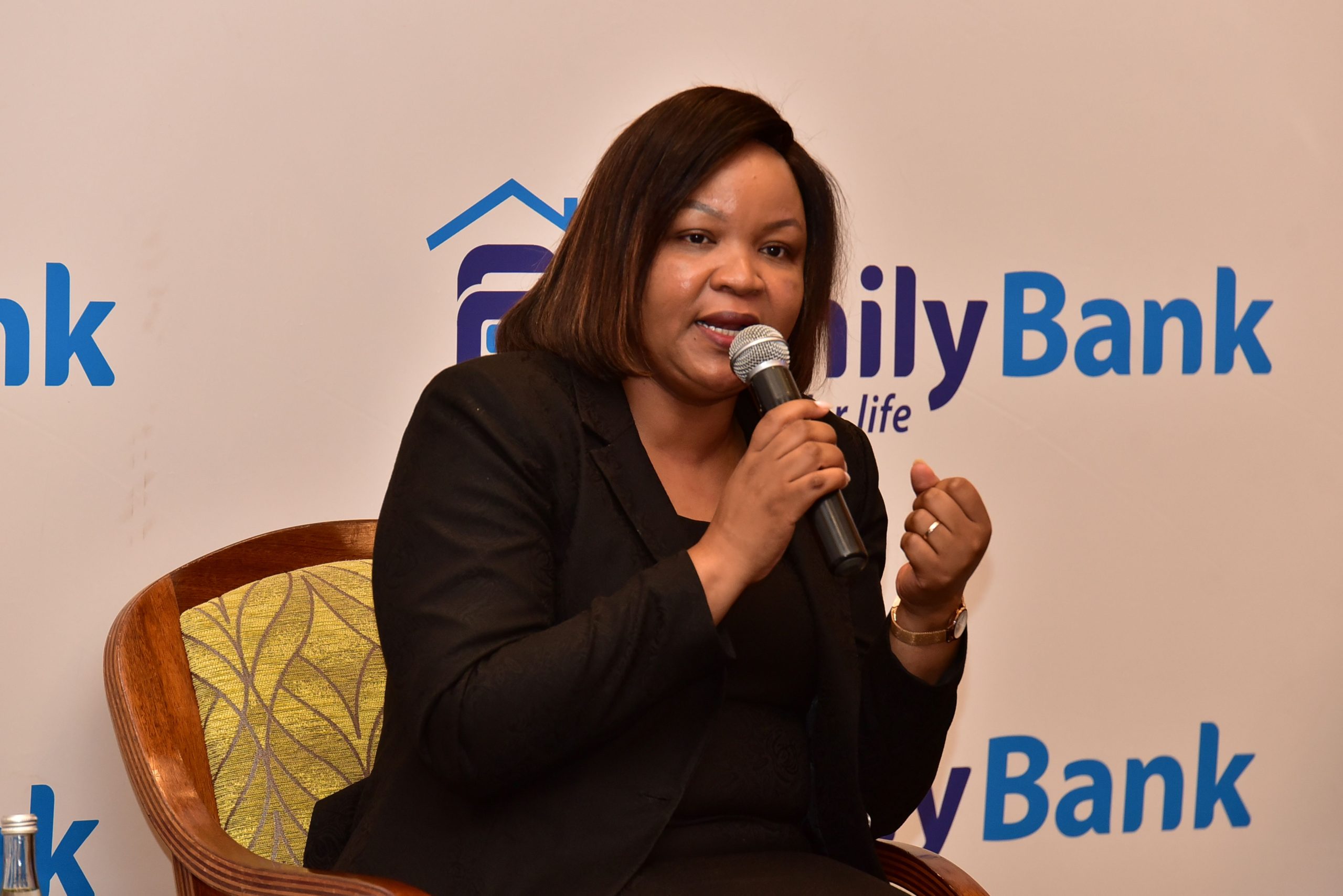
Kenya is establishing holding areas and screening centres at border crossing points, the country's Health Cabinet Secretary Aden Duale said on 27 May 2026, as a surge of Ebola cases in the Democratic Republic of Congo and Uganda raises the alarm across East Africa. The announcement came within hours of confirmation that the United States plans to set up its own Ebola quarantine facility inside Kenya — a development that adds a diplomatic and logistical dimension to what is fundamentally a public health response.
The dual-track approach — one led by Nairobi, one orchestrated from Washington — reflects how epidemic preparedness in sub-Saharan Africa routinely attracts international actors whose involvement extends well beyond humanitarian concern. Kenya, as the region's primary logistics hub and home to a substantial expatriate and aid-worker community, sits at the intersection of the outbreak corridor and the international response infrastructure.
Kenya's Domestic Response
Health CS Duale's statement on 27 May outlined the immediate measures: dedicated holding areas at land border crossings, staffed screening centres, and heightened surveillance in regions closest to the DRC and Uganda. The specific locations were not enumerated in the available sources, but the western border zone — bordering Uganda at Malaba, Busia, and other crossing points — is the most direct exposure point given the overland trade and transit links that run through it.
Kenya has experience with Ebola preparedness. The 2014–2016 West African outbreak prompted Nairobi to develop screening protocols at Jomo Kenyatta International Airport, and a 2019 DRC cross-border cluster led to temporary enhanced surveillance measures. The institutional memory exists. What remains less clear is whether the current configuration has sufficient laboratory capacity and isolation ward availability to handle a surge, particularly if cases emerge in Nairobi's densely populated informal settlements.
The sources do not specify whether Duale's announcement was triggered by a specific new development in the outbreak data — a particular spike in case numbers, a new geographic cluster, or a World Health Organisation advisory — or whether it reflects a precautionary ramp-up in response to broader regional trends. That ambiguity matters for assessing the urgency of the response.
The US Quarantine Facility
The US move to establish a dedicated Ebola quarantine facility on Kenyan territory represents a more concrete, and more politically visible, commitment. The plan, reported by the Daily Nation on 27 May 2026, would locate the facility somewhere in or near Nairobi. The intended capacity, the legal framework governing the facility's operation, and whether it is intended to serve US personnel exclusively or to function as a shared resource with the Kenyan health system — all of these details were not specified in the available reporting.
International quarantine facilities for high-threat pathogens are not unprecedented. The US operated a Monrovia Medical Unit during the 2014–2016 Ebola crisis in Liberia, and similar structures have been established by European governments in West Africa during that outbreak and its aftermath. The model typically involves a self-contained clinical and isolation infrastructure that can manage suspected cases among diplomatic, NGO, or government staff without overloading the host country's public health system.
The question the available sources do not answer is what prompted Washington to act now — whether it has independently assessed the risk as elevated, whether a specific case involving a US national triggered the planning, or whether the facility is part of a broader strategic presence expansion in the region. The absence of those details means the geopolitical subtext remains speculative at this stage.
The Regional Epidemiological Picture
The DRC has been managing Ebola outbreaks intermittently for years. The country's mineral-rich eastern provinces, particularly North Kivu and Ituri, have seen repeated flare-ups since the 2018–2020 outbreak that killed more than 2,000 people. Uganda's experience with Ebola has been more sporadic but not less severe — the Sudan strain of the virus that circulates in parts of central Africa has no licensed vaccine, which complicates response efforts significantly.
Cross-border transmission risk is well-documented. Communities on either side of the DRC-Uganda and DRC-South Sudan borders move frequently, trade is dense, and health infrastructure on both sides of those boundaries is fragile. When cases emerge in an area like this, containment depends heavily on contact tracing, rapid isolation, and border screening — the measures Duale described. The fact that Kenya is now activating those measures suggests the risk is being assessed as credible and imminent enough to warrant activation before any confirmed case reaches Kenyan territory.
The sources do not provide current case counts, mortality figures, or geographic concentration data for the current surge. That information gap is material: the appropriate scale of a screening and quarantine response depends heavily on whether the outbreak is concentrated in a discrete zone or spreading into major population centres.
Sovereignty, Assistance, and the Questions That Remain
The arrival of a US quarantine facility on Kenyan soil sits within a broader pattern of international health cooperation that has rarely been without diplomatic friction. Host countries typically welcome the resources and technical capacity that major donor governments bring, but the operational autonomy of those facilities — who controls them, who has access, how data is shared, what happens to patients — is a recurring point of negotiation. Kenya's government has in recent years navigated similar questions around US military and counterterrorism infrastructure on its territory, and the health domain is not immune from those dynamics.
Duale's announcement of domestic screening infrastructure is, in that light, a statement of institutional agency. Nairobi is not waiting for external actors to manage the risk. The US facility, whatever its specific parameters, will operate within a country that has its own screening architecture already in motion — which positions the Kenyan government as a counterpart, not a passive host.
What the sources leave unresolved is the severity of the current outbreak, the timeline for when the US facility will become operational, and whether the two responses are being coordinated or operating in parallel. Those are the questions that will determine whether this dual-track approach effectively contains the threat, or whether it reflects two separate assessments operating on different threat timelines.
This publication's coverage of the Kenya-Ebola story foregrounds the Kenyan government's own response framework rather than leading with the US announcement, which is how most international wire copy framed the same events. The asymmetry in the reporting — more specific detail on Nairobi's measures, less on Washington's — reflects what is currently knowable from the available sources, not a judgment about relative importance.
Wire provenance
This editorial synthesis draws on the following public wire/social posts:
- https://t.me/StandardKenya/4821