Paul Newman's Daytona-Winning Mustang Heads to Auction as Mecum Opens Its Doors
The 1995 Ford Mustang Cobra that carried Paul Newman to class victory at the 24 Hours of Daytona has surfaced at Mecum's auction block — a moment that reunites one of motorsport's most celebrated second acts with a collector market that has never quite let him go.
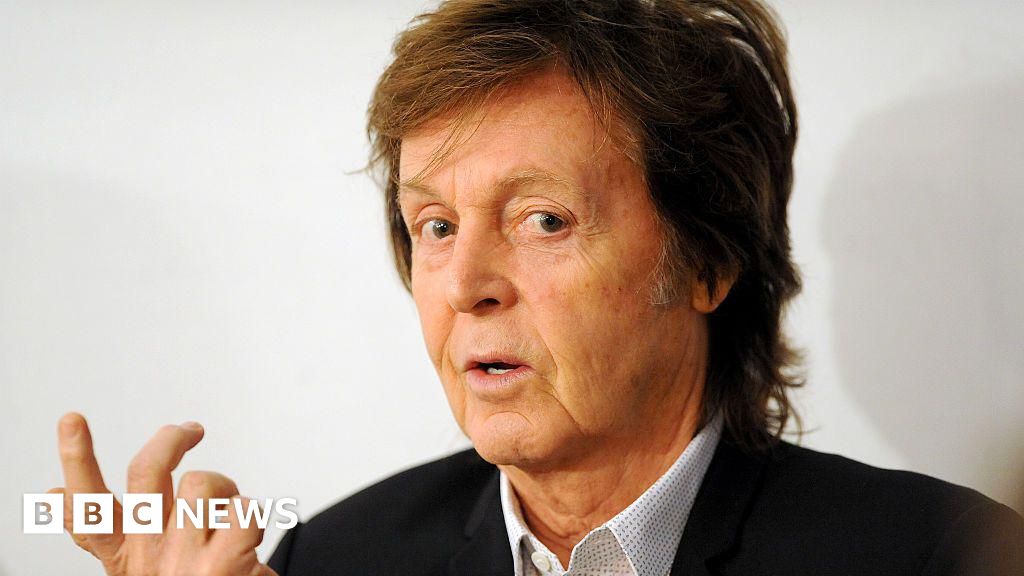
Paul Newman was many things: an actor of uncommon range, a philanthropist who channelled racing revenues into a foundation that has granted hundreds of millions to charity, a pitchman whose laid-back charm moved everything from spaghetti sauce to wristwatches. But above all, he was serious about the things he loved. Racing was not a hobby. It was a vocation that consumed him for five decades, until his death in 2008, and it left behind an artefact that surfaces roughly once a generation: the 1995 Ford Mustang Cobra that bore the livery "Nobody's Fool" and carried him to a class win at the 24 Hours of Daytona.
The car went on the block at Mecum Auction on 27 May 2026, the news confirmed via the dealer's public listing. For collectors of postwar American motorsport — a market that has grown steadily more institutional and more international over the past decade — the appearance of the Newman car is something close to a generational event.
A Second Career Built on Discipline
Newman's relationship with thetrack began in earnest in the early 1970s, when he was already one of the most recognised faces in American cinema. He did not approach racing casually. He hired professional coaches, entered competition at the regional level before graduating to endurance events, and drove for teams — particularly the Bob Sharp Racing squad that fielded him in DSR spec Mopar machines throughout the late 1970s and into the 1980s — that treated him as a genuine driver rather than a celebrity liability. His seriousness paid off: over a career that spanned nearly four decades, he accumulated wins across sports car, stock car, and open-wheel categories.
The Daytona class victory in the 1995 edition of the race belongs to a specific moment in that arc. By then, Newman was in his early seventies. He was driving a car that represented American road-racing culture at a time when the manufacturer's role in factory motorsport programmes was undergoing significant transformation. The Mustang Cobra was not a pure homologation special; it was a road-going design that had been developed into a competitive endurance platform by the mid-1990s, reflecting a broader industry shift toward customer racing programmes. The car Newman drove was part of that transition — a factory-adjacent entry into a factory-dominated endurance race.
What distinguished the Newman Mustang was not simply the name on the door but the provenance: a car driven hard by a man for whom the act of being driven hard was itself a form of self-knowledge. That kind of lineage carries weight in a collector market that increasingly distinguishes between memorabilia and material history.
The Collector Market and the Celebrity Premium
Mecum, which has consolidated its position as the dominant auction house for American collector cars over the past fifteen years, has handled several Newman-adjacent lots before. The pattern is consistent: cars associated with the actor command a premium that is real but not entirely separable from the underlying market for the specific model and era. The 1995 Mustang Cobra as a platform has a dedicated following in the vintage American road-racing community, independent of Newman's association. The question for bidders is how those two value streams combine.
Previous Newman racing lots have sold across a range — from sub-five figures for personal memorabilia to the six- and seven-figure range for cars with direct competition provenance. The Mustang Cobra, as a class-winner at a major endurance event rather than an outright victor, sits in a particular tier: historically significant but not at the pinnacle of the market. That said, the market for American motorsport memorabilia has moved substantially since the early 2000s, driven partly by the same forces that have elevated other forms of cultural artefacts associated with 20th-century public figures.
The practical reality for prospective bidders is a car that requires careful provenance documentation, legal clearance for road use in various jurisdictions, and a storage and maintenance regimen appropriate to a machine whose competitive service life ended three decades ago. Mecum's listings typically include condition assessments and estimated pre-sale ranges; the specific figures for this lot were not detailed in the initial announcement, which may indicate a reserve price set privately.
What the Car Represents
There is a version of this story that is simply about money — about a collector market performing its usual function of identifying scarcity and attaching price to it. That version is true as far as it goes. But it misses something about the specific cultural weight of this machine.
Paul Newman's career in racing coincided with a moment in American public culture when a major star could be genuinely passionate about something outside the entertainment industry and be taken seriously for it. He did not treat racing as a platform for branding or a tax writeoff. He treated it as a discipline, with all the rigour that implies. The "Nobody's Fool" Mustang is a physical expression of that attitude — a car that was built to compete, was driven to compete, and won.
For a certain segment of the collector market — older buyers with direct memories of Newman's racing career, or younger buyers with a sophisticated understanding of American motorsport history — that provenance is not fungible. It cannot be replicated. The car exists in a singular relationship to a specific man and a specific moment, and that relationship is what the auction is actually selling.
The market will determine the price. The provenance is already known.
Wire provenance
This editorial synthesis draws on the following public wire/social posts:
- https://t.me/readovkanews/8473