Trump's Disclosure Economy and the Infrastructure Behind the Spectacle
Trump's promise of extraterrestrial disclosures and insurance fraud revelations, announced on 27 May 2026, arrives alongside Rumble's AI pivot — three moves that together reveal something more systematic than political theatre.
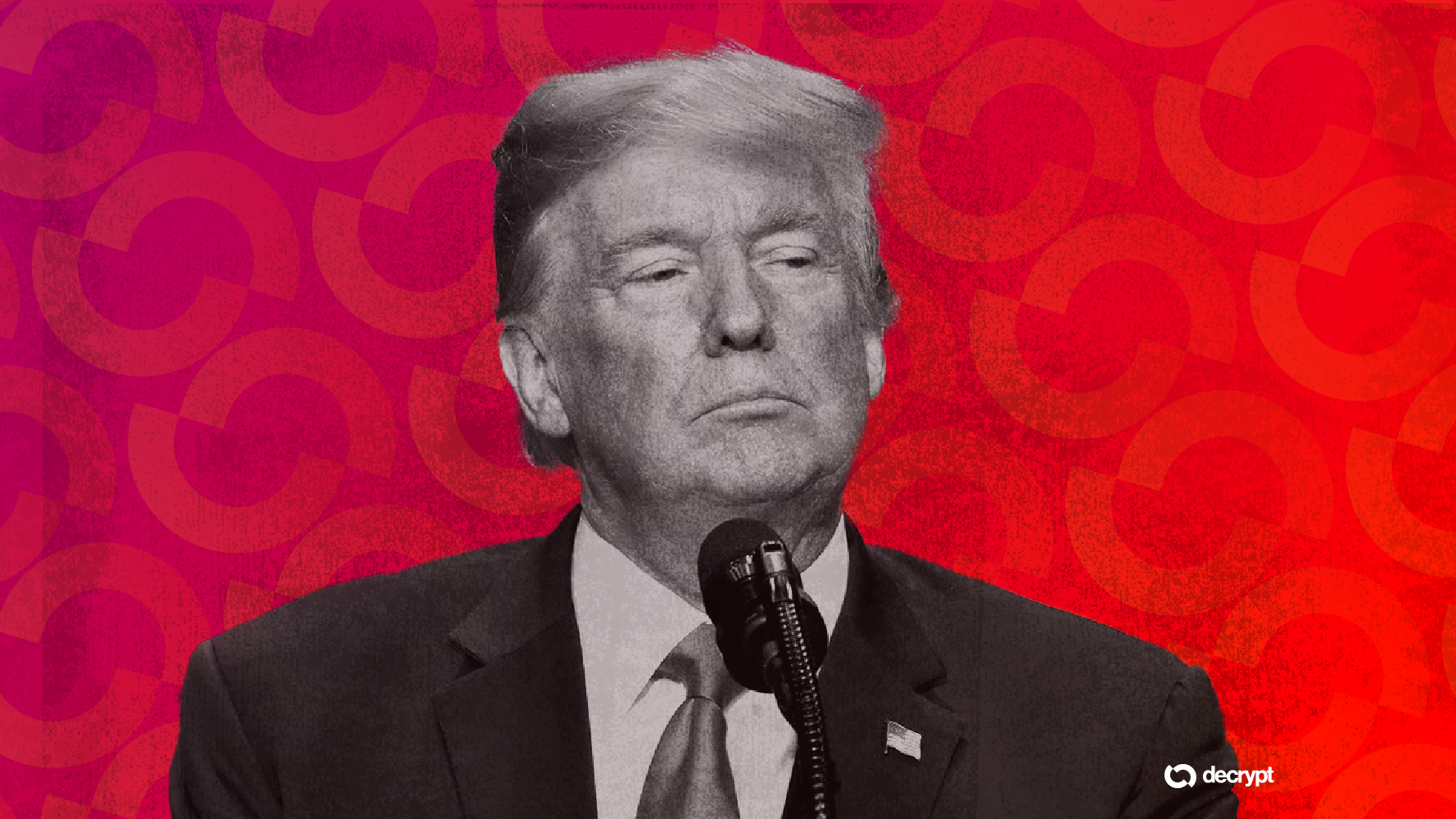
On 27 May 2026, Donald Trump posted a Polymarket announcement that his administration would release «a lot of information having to do with extraterrestrial things». On the same day, a separate Polymarket post surfaced separately documenting Trump's simultaneous claims about massive theft schemes in the field of medical insurance — describing alleged conspiracies involving the phrase «Everyone had autism.» These two disclosures, announced within hours of each other, arrived not through any established classified document review process but via a betting-market-aligned social media platform designed to price political outcomes.
That's the first structural clue. Neither the extraterrestrial promise nor the insurance fraud narrative was delivered through standard regulatory, intelligence, or law-enforcement channels. Both were dressed up ascoming attractions — audience-facing content dressed in the language of classified disclosure.
Information as Entertainment Package
Trump's disclosure model borrows from a well-established entertainment playbook. The «many secrets» framing and «Coming soon» cadence track closely with mystery-box storytelling, where the promise of revelation becomes the product itself, and the payoff is always deferred to a future instalment. In a government context, this model collapses the distinction between genuine transparency and audience management.
Real classification and declassification processes involve statutory frameworks, inter-agency review, and legal thresholds. Trump's administration has bypassed these mechanisms repeatedly, opting instead for direct-to-audience pronouncements that generate attention, social media traction, and — crucially — financial derivative activity tied to whether particular disclosures materialise.
Where the Markets Price the Attention
The Polymarket posts themselves document something the entertainment framing obscures: genuine economic activity is attached to these announcements. On 27 May 2026, Polymarket traders were actively pricing outcomes related to whether specific disclosed information would contain particular categories of content — a trading surface built on political speculation rather than financial fundamentals.
This creates a feedback loop. The more extraordinary the promised disclosure, the higher the speculative trading volume, the more attention the announcement commands, and the greater the economic incentive for platforms and operators to maintain the audience relationship. The extraterrestrial promise and the insurance fraud claims, however unrelated in substance, share this structural feature: both were priced and circulated before any corroborating evidence existed.
Separately from the Polymarket posts, video platform Rumble announced on 27 May 2026 its pivot into artificial intelligence compute infrastructure, targeting competition with «the world's largest hyperscalers». The announcement landed in the same news cycle as the Trump disclosure posts, and the timing reveals something significant about platform dependencies within the broader conservative media ecosystem.
Rumble has long served as the hosting and distribution backbone for right-leaning political content creators who have been deplatformed or demonetised elsewhere. Its AI pivot signals that the ecosystem now requires computational infrastructure at a scale exceeding simple video storage — likely for inference workloads, data processing related to fraud investigation, or intelligence-gathering operations adjacent to the political action. The stated ambition to compete with major hyperscalers — companies like Microsoft Azure, Amazon Web Services, and Google Cloud — suggests a substantial capital deployment that will require either investor capital or the continuation of the audience relationship that Rumble's political content provides.
What the Economics Demand
The infrastructure question is the part that gets little attention amid the spectacle. Rumble's move into AI compute is not straightforward political alignment — it is a bet that the audience relationship anchored by Trump's media operation is durable enough to underwrite significant data-centre investment. If the extraterrestrial disclosures generate sustained audience engagement and the insurance fraud claims drive regulatory attention, Rumble's infrastructure expansion can be defended to investors as a pivot rather than a gamble.
But this dependency runs both directions. Trump's media ecosystem — including the live-streamed events, subscription content streams, and political announcement cadence — is partly enabled by the platform infrastructure Rumble provides. If that infrastructure faces regulatory pressure, financial distress, or compute-market volatility, the disclosure economy built on top of it becomes immediately exposed.
What Remains Unresolved
As of 27 May 2026, no extraterrestrial material has been released. No court filings or DOJ announcements have corroborated the insurance fraud claims. The Polymarket posts document the announcement and the speculative trading they triggered, not the underlying facts the promises refer to.
The audience for these disclosures — many of whom have financial positions on Polymarket tied to whether the announcements contain specific content — has a material interest in the outcome that extends beyond ordinary political news consumption. This complicates the standard media analysis framework. Covering Trump's extraterrestrial promise and insurance fraud claims as though they were equivalent in evidentiary standing to an SEC filing or a congressional testimony misrepresents the information environment readers actually inhabit.
What the 27 May 2026 announcements reveal, taken together, is a media ecosystem operating simultaneously as political operation, speculative trading surface, and infrastructure business — with disclosure promises serving as the mechanism that draws all three into alignment.
This publication covered the extraterrestrial announcement as a political disclosure story rather than a science or SETI angle. The insurance fraud claims were handled as reported speech from a Polymarket-documented video, without independent corroboration from regulatory or law-enforcement sources. Rumble's AI pivot was framed as infrastructure story — not platform governance — given its standalone business substance.