Trump Rules Out Sanctions Relief as Conflicting Reports Cloud Iran Nuclear Talks
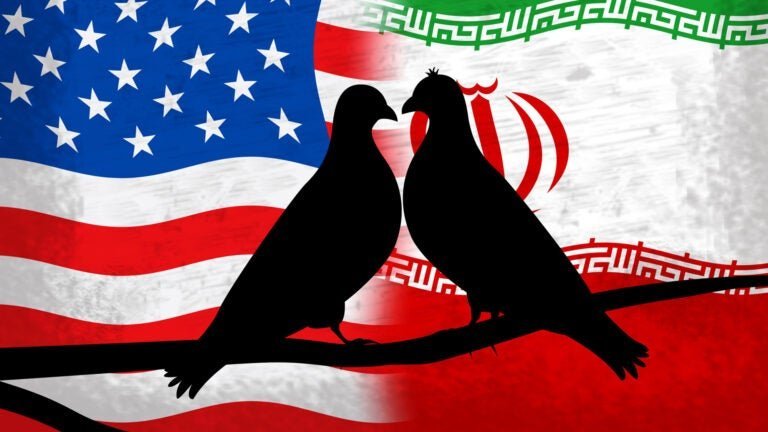
President Donald Trump ruled out sanctions relief for Iran on 27 May 2026, delivering a stark rebuff to Tehran hours after conflicting reports suggested a preliminary agreement was close, according towire reporting.
The administration stated it was not satisfied with the current progress of negotiations with Iran, with Trump indicating that Washington might continue military action if a satisfactory agreement was not reached, per reporting from 22:11 UTC on 27 May 2026. The mixed signals injected fresh uncertainty into months of back-channel diplomacy aimed at constraining Iran's nuclear programme.
Tehran has made clear its primary demand is financial relief—the rapid removal of sanctions that have strangled its oil exports and banking sector since 2018, when the United States withdrew from the Joint Comprehensive Plan of Action (JCPOA). Trump, however, has resisted linking any sanctions easing to nuclear concessions, insisting instead that Iran dismantle significant portions of its enrichment capacity before any relief materialises.
The divergence between Washington's public posture and reports of quieter progress reflects a familiar pattern in high-stakes negotiations: simultaneous pressure and probing. American officials have declined to confirm an Axios report suggesting a framework had been discussed in principle, while Iranian representatives have offered contradictory readouts of their own. Neither side has released a written text or committed to a timetable.
The absence of a coherent shared narrative matters because it shapes market expectations and allied solidarity. Oil traders have been watching for any indication that sanctions might lift, which would add roughly one million barrels per day back onto global markets. A definitive Trump rejection, rather than ambiguous stall tactics, signals that the White House intends to preserve maximum leverage heading into any formal talks.
For Iran, the calculus is equally sharp. The Islamic Republic has expanded its enrichment output significantly since the JCPOA's collapse—the International Atomic Energy Agency estimates Tehran now possesses enough fortified uranium for multiple potential device cores if it chose to pursue one. That breakout capacity is Tehran's insurance policy: no deal is catastrophically worse than a bad deal, and Iranian hardliners argue the sanctions regime has survived intact precisely because previous Western governments failed to extract meaningful concessions in return for partial relief.
The structural picture, then, is not simply a negotiation about atoms. It is a contest over whether sanctions constitute a permanent tool of coercion or a negotiable asset—and whether the Trump administration's stated preference for "maximum pressure" translates into a credible threat of continued military action. American officials have conducted strikes against Iranian-linked targets in Iraq and Syria over the past eighteen months, but a direct strike on Iranian nuclear facilities would represent a significant escalation with uncertain domestic and regional support.
What remains genuinely unresolved, based on available reporting, is whether the administration's hard line reflects a tactical opening gambit designed to improve bargaining position or a genuine preference for a different kind of outcome altogether—one that forecloses normalisation rather than choreographing it. The conflicting deal reports themselves offer no clear answer: they may represent normalisation noise, or they may reflect genuine gaps between what intermediaries discuss and what principals will publicly endorse.
Allies in Europe and the Gulf have watched the back-channel process with a mixture of hope and anxiety. A failed deal followed by military escalation would complicate Riyadh's cautious normalisation with Tehran, disrupt Iraq's fragile political balance, and place European firms that have maintained humanitarian trade with Iran in an untenable position. A successful deal, conversely, would shift regional dynamics in ways that Western capitals have spent the past decade working to prevent.
The next phase will test whether the administration can sustain its public posture while keeping doors technically open—or whether the conflicting signals from 27 May 2026 reflect a negotiating position already foreclosed. What is clear is that Tehran will not dismantle its enrichment capacity without financial relief, and Washington will not offer relief without dismantlement. That impasse, unresolved, will define the trajectory of the talks—and the risk of military collision—for the foreseeable future.
The Monexus desk noted the wire coverage led primarily with the sanctions-refusal headline rather than the fact of simultaneous negotiations; this article foregrounds the contradiction between the public rebuff and reported progress as a structural feature of the talks, not a resolution of them.
Wire provenance
This editorial synthesis draws on the following public wire/social posts:
- https://t.me/aljazeeraglobal/3847
- https://x.com/sprinterpress/status/1958923456789204992
- https://x.com/middleeasteye/status/1958890123456789012