Ukraine Formalises Drone-Strike Doctrine With "Logistics Lockdown" Program
Ukraine has launched a named, budgeted program to systematically degrade Russian military logistics, formalising what has been an improvised campaign into a sustained doctrinal effort. Defense Minister Mykhailo Fedorov announced the "Logistics Lockdown" initiative on 27 May 2026 with 5 billion hryvnia in first-phase funding.
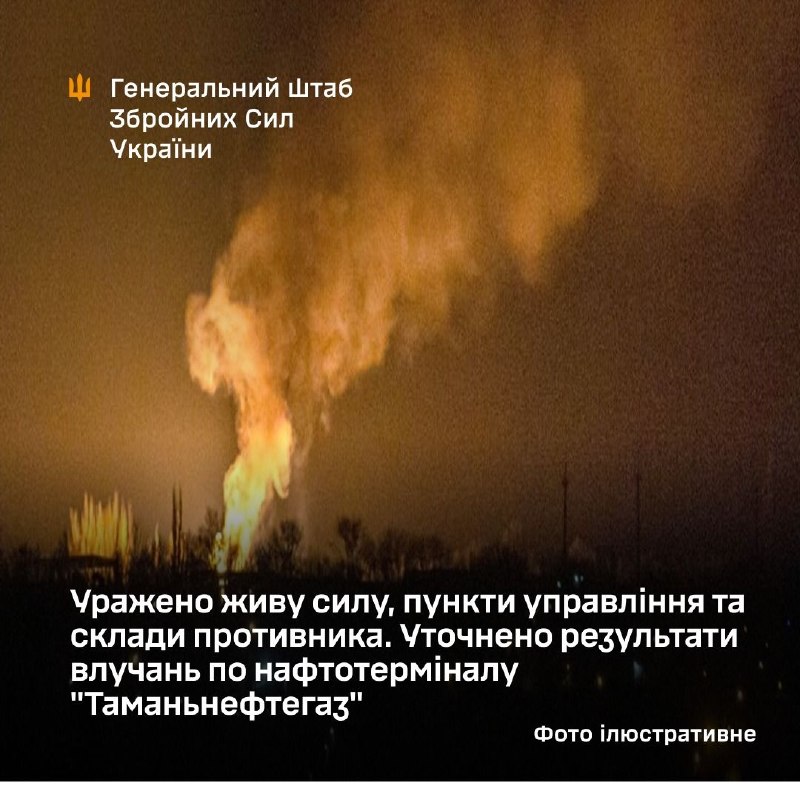
On 27 May 2026, Defense Minister Mykhailo Fedorov announced a doctrinal shift in how Ukraine conducts long-range strikes — one that moves away from opportunistic targeting toward a systematic, funded program designed to degrade Russian logistics across its entire operational depth.
Dubbed "Logistics Lockdown," the initiative marks the first time Ukraine has framed its middle-strike campaign around a named strategic concept with dedicated budgetary allocation. The Ministry of Defense confirmed the first phase is funded at 5 billion Ukrainian hryvnia, a commitment that signals Kyiv views logistical attrition not as a supplementary pressure tactic but as a primary war aim.
The announcement represents a crystallisation of what Western military analysts have long identified as Ukraine's most effective lever against a larger adversary: the systematic elimination of Russia's ability to move fuel, ammunition, and materiel from rear staging areas to forward combat units. By formalising this approach into a named program with ringfenced financing, the Ministry of Defense is signalling that this campaign will be sustained, measured, and scaled — not abandoned when political attention drifts elsewhere.
Operational Logic: Why Logistics Became the Target
Fedorov's public framing is deliberate in its bluntness. "Russians will no longer feel safe," he said, according to statements carried by Ukrainian wire services. The language targets both the adversary's morale and domestic Ukrainian resolve — an acknowledgment that wars of attrition require visible progress to sustain the political will that funds them. The 5 billion hryvnia allocation is not an abstract number; it represents the Ministry's own assessment of what sustained, scaled pressure on Russian logistics will cost over the program's initial phase.
The operational logic is straightforward. Russia's army in Ukraine relies on a limited number of rail corridors, road arteries, and transshipment hubs to supply forces along a front that extends more than 1,000 kilometres. Ukrainian long-range strike assets — drones, modified missiles, and special operations teams — have demonstrated the ability to reach these nodes with increasing frequency and accuracy over the past two years. The Logistics Lockdown program formalises what has previously been an improvised, target-of-opportunity campaign into a systematic, budgeted effort to close those arteries down.
The 5 billion hryvnia is not a large sum relative to the scale of the Russian logistics network, but it represents a commitment to sustained pressure rather than a one-off strike package. The program's name itself signals intent — "lockdown" implies sustained denial rather than episodic interdiction. If Ukraine can degrade the reliability of Russian supply lines by even a moderate margin, the operational consequences at the front compound over time: ammunition shortages, fuel rationing, and increased vulnerability to Ukrainian ground operations that exploit logistical gaps.
The Counterargument: Can Russia Absorb the Pressure?
Skeptics will note that Russian logistics have survived Ukrainian strikes before. Moscow has invested in redundancy — alternative rail routes, forward ammunition caches, and mobile supply convoys — that partially insulate the system from point-target interdiction. The question is not whether Russia can absorb individual strikes but whether the cumulative effect of sustained pressure degrades operational cohesion in ways that matter at the tactical level.
Ukraine's own track record is mixed. Some strikes — fuel depots in Crimea, rail bridges in the Bryansk region — produced measurable tactical effects. Others, against heavily hardened or redundant targets, produced little operational impact beyond material losses. The Logistics Lockdown program, as announced, does not specify which categories of target receive priority funding, nor what metrics the Ministry will use to define success. This ambiguity is not necessarily a weakness; it may reflect a deliberate decision to保持 operational flexibility as conditions change. But it leaves open the question of whether the program constitutes a decisive shift in the war's trajectory or simply a more organised version of what Ukraine was already doing.
Structural Frame: What Formalisation Actually Means
The significance of Logistics Lockdown lies less in its immediate tactical impact and more in what it reveals about how Ukraine's war-making apparatus is maturing. Formal doctrine, ringfenced budgets, and named programs are the language of institutional continuity — the kind of strategic architecture that survives leadership transitions, political turbulence, and shifting Western support levels. A campaign that depends on ad hoc target selection and sporadic funding is fragile; a program with its own budget line is harder to defund.
Ukraine's Western partners have quietly encouraged this kind of institutionalisation. Several European defence ministries have explicit programs to help Kyiv build long-term strike planning capacity — not just supplying weapons, but helping Ukraine develop the intelligence, targeting, and logistics infrastructure to use them effectively over years, not weeks. Logistics Lockdown, if it functions as described, is the kind of initiative that makes that partnership durable: a Ukrainian-owned program that donors can fund with confidence that the money translates into operational output rather than one-off spectacle.
The geopolitical dimension is less visible but equally significant. Every successful strike on a Russian logistics node — a fuel depot, a rail bridge, a transshipment warehouse — adds to the cumulative cost Moscow must absorb to keep its forces supplied. That cost does not show up in battlefield casualty counts or territorial control maps, but it shapes the political calculus that ultimately determines whether the war continues on current terms. Ukraine's leadership appears to be betting that a logistics campaign sustained over months will do more to shift that calculus than a focus on territorial gains that are expensive to seize and harder to hold.
Forward View: What to Watch
The program's first test will not be tactical. Ukraine has demonstrated the ability to strike Russian logistics nodes; the question is whether it can sustain that pressure while absorbing Russian adaptation. Moscow will not leave its supply network undefended. Expect increased air defence deployment around known transshipment hubs, accelerated construction of hardened storage facilities, and more aggressive interdiction of Ukrainian strike assets before they reach launch positions.
The funding horizon is critical. The 5 billion hryvnia first phase represents a down payment, not the total cost of what Logistics Lockdown aims to achieve. Subsequent phases will depend on continued budgetary allocation, intelligence sharing from Western partners, and the ability of Ukraine's defence industry to produce the strike assets the program requires. Any breakdown in those supply chains — a pause in Western intelligence flow, a contraction in drone production capacity, a political shift in Kyiv that disrupts defence procurement — would constrain the program's reach before it reaches its stated objectives.
What the Telegram channels covering the announcement do not say is as revealing as what they do. There is no talk of a single decisive strike, no claim that Logistics Lockdown will collapse Russian logistics in weeks. The framing is patient: a long campaign against a specific category of target, designed to compound its effects over time. That restraint may reflect strategic realism, or it may reflect an awareness that the program's credibility depends on not overselling its early results. Either way, the absence of triumphalist language is itself a signal: Ukraine's military leadership is planning for a war that does not end quickly.
This publication covered the Logistics Lockdown announcement as reported across Ukrainian defence wire services on 27 May 2026. The Telegram channels carrying the Ministry of Defence briefing provided the most direct sourcing for the program name, funding figure, and stated intent — a degree of institutional specificity that distinguishes this announcement from previous Ukrainian strike statements, which typically lacked named-program framing or ringfenced budget references.
Wire provenance
This editorial synthesis draws on the following public wire/social posts:
- https://t.me/noel_reports/2847
- https://t.me/operativnoZSU/1654
- https://t.me/uniannet/9843