Uralvagonzavod Deputy Head Remanded in Custody Over Defense Contract Embezzlement Claims
Russian investigators have ordered the pre-trial detention of a senior official at the country's primary tank manufacturing facility, amid allegations of embezzlement linked to state defense contracts.
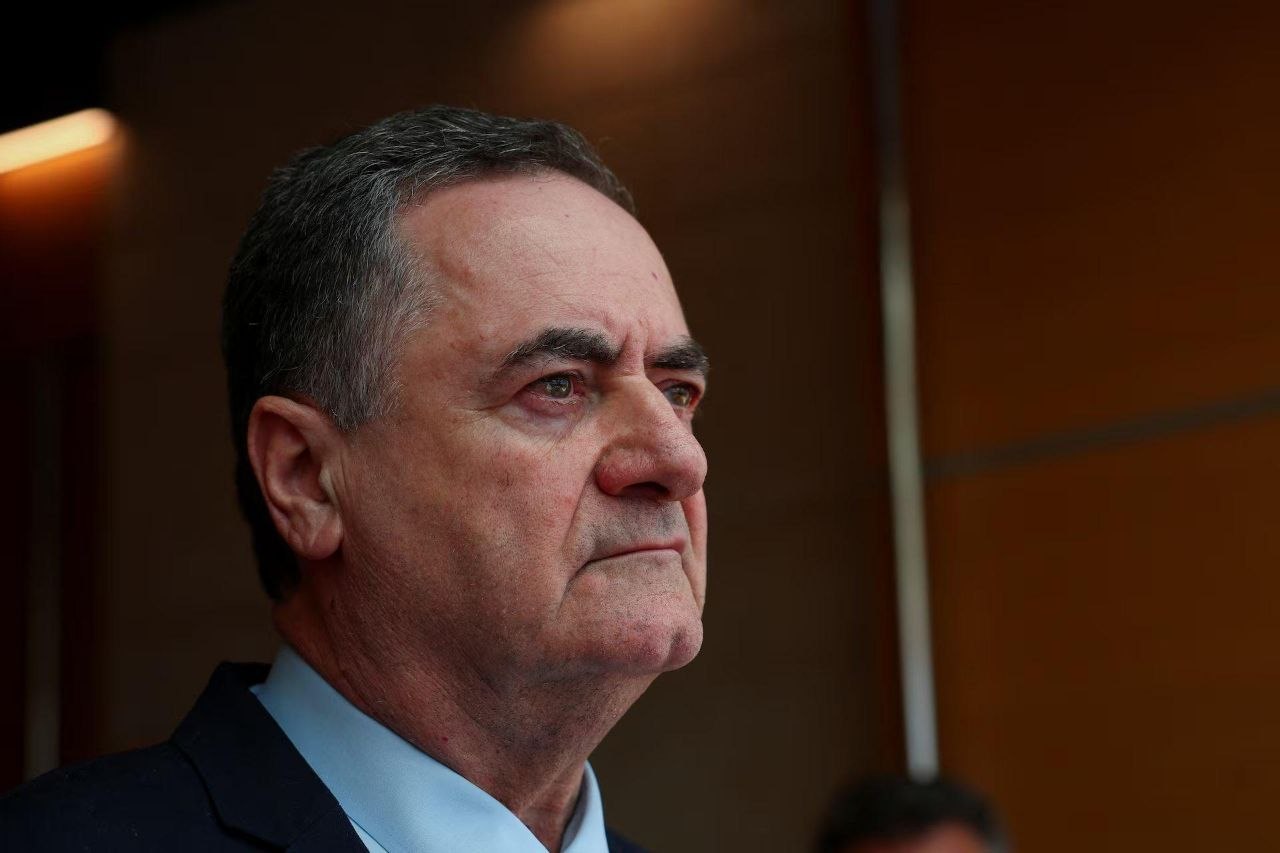
A deputy head of Uralvagonzavod, Russia's largest armored vehicle manufacturing complex, was remanded to pre-trial detention on 27 May 2026 on embezzlement charges tied to the execution of state defense contracts, according to reporting by Euronews. The investigation alleges that funds allocated during the supply process were misappropriated, though full details of the alleged scheme have not been made public.
The case arrives at a sensitive juncture. Uralvagonzavod, located in Nizhny Tagil in the Sverdlovsk Oblast, is the backbone of Russia's domestic tank production capacity, manufacturing and overhauling armored systems that have figured heavily in the ongoing conflict with Ukraine. Any disruption to its operations — whether through internal scandal or intensified scrutiny — carries direct implications for the Russian military's materiel pipeline.
The Charges and the Process
Russian law enforcement bodies have moved swiftly in this instance, securing pre-trial detention rather than releasing the accused on bail or house arrest. Pre-trial detention in cases involving state defense orders is a significant escalation, suggesting prosecutors believe the evidence warrants holding the accused while investigation proceeds. The sources available do not specify the scale of funds allegedly diverted or the precise mechanism by which the embezzlement allegedly occurred.
State defense orders in Russia operate under a legal framework that prioritizes confidentiality and national security considerations. This creates structural opacity around procurement pricing, supplier relationships, and contract delivery timelines — conditions that anti-corruption investigators have long cited as creating inherent risk. Whether this case reflects a genuine instance of systemic fraud or represents internal political contestation within the defense establishment remains, on the basis of available reporting, unclear.
Defense Industrial Accountability in Wartime
The Russian defense sector has undergone considerable strain since the full-scale invasion of Ukraine began in February 2022. Western sanctions have restricted access to certain components,迫使 manufacturers to develop substitute supply chains while simultaneously scaling up production to meet front-line demand. In such an environment, the financial pressures on procurement officials multiply: budgets are constrained, timelines compressed, and oversight mechanisms stretched thin.
Historically, periods of accelerated military production correlate with elevated risk of financial misconduct. Contracting officers operating under urgency face incentives to accelerate payments, waive standard verification procedures, or route work through intermediaries with inflated margins. Whether such dynamics played a role in the Uralvagonzavod case cannot be determined from publicly available information, but the structural conditions are well-established in comparative defense procurement literature.
The plant itself has historical precedent for governance irregularities. Uralvagonzavod has been the subject of prior corruption investigations in the post-Soviet period, though none of those prior cases appear directly connected to the current matter.
Competing Interpretations
One reading of this case holds that Russian authorities are demonstrating genuine commitment to rooting out graft within the defense industrial base. Under this reading, prosecuting a senior official at the most symbolically important tank factory signals that no tier of the procurement apparatus is exempt from accountability, even during wartime.
An alternative interpretation suggests the case reflects internal factional dynamics within the Russian security establishment. High-profile corruption prosecutions can serve as instruments of political consolidation: removing officials aligned with competing power centers, consolidating budget authority under different actors, or sending signals to the broader defense bureaucracy about the costs of misalignment. Without access to Russian internal deliberations, distinguishing between these readings is not possible on the basis of current reporting.
Stakes and Forward View
The stakes of this case extend beyond one individual's legal exposure. If the alleged embezzlement is confirmed and found to have affected the volume or quality of materiel delivered to front-line units, the operational consequences would be tangible. Even if the amounts involved are modest relative to the plant's overall throughput, the reputational damage to a facility whose products carry enormous symbolic weight in Russian military doctrine is not trivial.
For outside observers tracking Russian military capacity, the case offers a narrow window into the financial governance of a defense industrial base that operates under conditions of wartime secrecy and Western sanctions pressure. How cases like this are resolved — publicly, discreetly, or not at all — offers clues about the coherence of Moscow's internal accountability mechanisms in a domain where external scrutiny is effectively precluded.
What remains uncertain is whether additional charges or additional accused persons will follow, and whether the investigation will produce public accounting of the alleged financial harm. The sources consulted do not indicate a timeline for resolution.
This publication's wire feed included the Euronews dispatch on 27 May 2026. Most Western outlets had not yet carried the story as of publication.
Wire provenance
This editorial synthesis draws on the following public wire/social posts:
- https://t.me/euronews/24912