The Arsenal America Can't Afford to Drain Again
As American stockpiles of precision weapons face years of replenishment after strikes on Iran, the structural logic of overstretch is pushing the administration toward a negotiation it publicly insists it does not want.
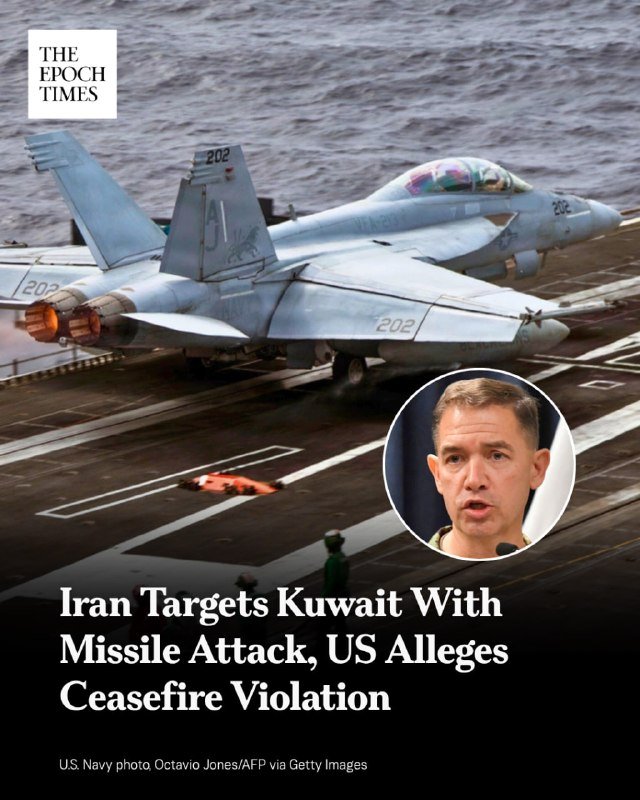
The administration has been clear: there is no urgency to a deal with Tehran. The strikes were precise. The message was delivered. And the war, officials insist, is not anyone's preferred outcome — least of all Europe's.
That framing is holding for now. But it is quietly running into a hardware problem.
According to reporting by the Associated Press, the United States will require years to replenish stockpiles of precision weapons expended during the recent strikes on Iran. The consumption rate — high enough to demand multi-year resupply timelines — means the Pentagon is facing a readiness gap of a kind that defense planners have not had to manage since the early phases of the post-9/11 build-up. The specifics of which systems depleted fastest, and whether current production lines can close the gap before the next contingency, remain classified. What is not in dispute is the scale.
Europe's top diplomat made the political calculation explicit on May 28: continuing the war serves no one's interests. The phrasing was calibrated — diplomatic shorthand for a longer conversation Washington is not yet ready to have publicly. But the alignment between a senior European official's framing and the logistics of American munitions planning is not coincidental. These two pressures — strategic and industrial — tend to converge.
The Intelligence Problem the Market Is Reading
Financial markets are not known for geopolitical subtlety, but they are efficient at pricing ambiguity. Polymarket data from May 27 shows a 33 percent probability assigned to the scenario of Iran agreeing to surrender its enriched uranium stockpile by the end of next month. That is not a confident bet. It reflects genuine uncertainty about whether Tehran's leadership, facing continued military pressure and tightening sanctions architecture, will choose a diplomatic off-ramp or double down on a nuclear posture that has already prompted strikes.
The market is essentially saying: the outcome depends on whether Washington can sustain the pressure long enough to force compliance, or whether the pressure itself has a shelf life. The shelf life, by most estimates grounded in the AP reporting, is shorter than the official posture suggests.
The Overstretch Problem, Unfiltered
There is a version of this analysis that reaches for well-worn frameworks about imperial overreach. The pattern is real. When a military that has been deployed continuously for two decades consumes its own pre-positioned inventory at the rate witnessed in the first weeks of strikes on Iran, the constraint is not political will — it is physical. You cannot negotiate harder than your ammunition supply allows.
The structural reality is this: the same precision weapons systems being expended against targets inside Iran are the ones earmarked for contingencies in the Indo-Pacific theater. The defense industrial base is configured for a steady-state threat environment, not a simultaneous high-intensity campaign in the Middle East and a potential peer-adjacent conflict in the Taiwan Strait. Building that capacity back takes years and capital commitments that current procurement timelines do not easily accommodate.
This is not a novel problem. It is the same arithmetic that has driven every American administration — Democratic and Republican — toward negotiated settlements with adversaries it had the military capacity to damage more severely. The leverage is real, but the costs compound asymmetrically once the inventory window closes.
What This Means in Practice
If the current trajectory holds — strikes continuing, Iran not capitulating, stockpiles depleting — the administration will face a decision that the current public framing does not acknowledge: either accept a negotiated outcome on terms that preserve the appearance of strength, or risk being operationally exposed in a subsequent crisis with a reduced arsenal and a credibility deficit.
The EU diplomat's statement on May 28 was, in that light, less a diplomatic courtesy than a structural signal. The Europeans are not pleading for peace. They are watching the same inventory data and drawing the same conclusion: the clock is not on America's side.
The Polymarket price will move as real-world events clarify the calculus. A 33 percent probability is not a prediction. It is a market's honest assessment of a situation where both sides have reason to talk and neither has yet decided to move first.