Financial Times Reveals $825 Million in Aid to UK-Based Iran International Before 2023 Protests
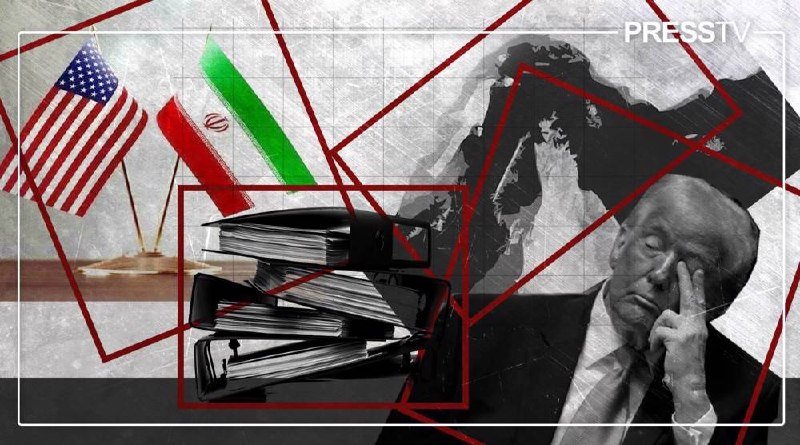
The Financial Times reported Thursday that the company owning the UK-based Iran International network received $825 million in aid before the January 2023 protests, a revelation that has revived scrutiny of Persian-language media funding and its intersection with Western policy toward Tehran.
The disclosure, published by the Financial Times on 28 May 2026, identified the scale of financial support flowing to the broadcaster at a pivotal moment in Iranian politics. Iranian state-linked news agencies, including Tasnim News Agency and Jahan Tasnim, amplified the report in Persian-language coverage, framing it within a broader narrative of foreign-funded opposition media operating against Tehran.
The revelations land during renewed US-Iran nuclear talks and add a new dimension to questions about the transparency of exile media financing in the West.
Who Owns Iran International
Iran International operated as a London-licensed, Persian-language satellite and online broadcaster until January 2024, when its parent company voluntarily surrendered its Ofcom broadcast licence and ceased operations. The channel had built a substantial audience across Iran and the Iranian diaspora with live coverage of the 2022-2023 protests that followed the death in custody of Mahsa Amini.
The Financial Times report confirms that the corporate entity holding the broadcast licence received substantial financial backing prior to and during the peak of the protest coverage. The $825 million figure dwarfs the operating budgets of comparable diaspora news outlets and raises immediate questions about the identity and motivations of the funders.
UK broadcast licensing rules require disclosure of beneficial ownership and control, but the rules governing foreign funding of licence holders have faced criticism for gaps in enforcement. Ofcom's own guidance requires licensees to disclose relevant information about their ownership structures, yet the scale of the Iran International funding appears not to have been publicly disclosed during the channel's active licensing period.
The Iran Angle
Iranian state media framed the FT reporting as confirmation of long-held suspicions in Tehran that Western governments were directly funding anti-government broadcasting into Iran. Tasnim News Agency, whose English-language Telegram channel carried the FT report on Thursday, described it as a "revealing" disclosure, using language consistent with the agency's broader editorial posture toward Western media presence in the region.
This framing deserves scrutiny. Iranian state outlets have a clear interest in portraying Western media operations as intelligence-adjacent, a narrative that also serves Tehran's domestic restrictions on press access and its broader hostility to external broadcasting. The fact that a revelation suits Tehran's interests does not make it false, but it does underscore the need to evaluate the underlying evidence rather than accept any single framing.
The structural question is not whether Western governments funded Persian-language media — that has been an open practice for decades through entities such as the BBC Persian Service and Radio Farda — but whether the scale and anonymity of Iran International's funding represented a qualitative departure from established precedent. At $825 million, the support dwarfs comparable operations and enters territory that warrants explicit disclosure to the public and to parliament.
What Remains Unexplained
The Financial Times report, as cited by multiple Iranian and regional news agencies, establishes the headline figure. What the available sourcing does not establish is the identity of the donors, the legal structure through which the funds were channelled, and the specific conditions — if any — attached to the support.
The United Kingdom's registered entity for the broadcast licence appears in public filings, but the ultimate beneficial ownership chain remains opaque. Whether the funding originated from a foreign government, a foreign government-adjacent foundation, a private individual, or a combination thereof is not answered by the current reporting.
Equally unclear is how the money was deployed operationally. Iran International was known to have recruited Iranian journalists inside the country remotely, a practice that placed correspondents at legal risk and that has previously raised questions about editorial independence versus editorial exposure.
The sources reviewed do not address whether the Ofcom licensing process, which includes character and control tests for licence holders, was fully briefed on the scale of external funding. A spokesperson for Ofcom declined to comment, per the reporting as carried on the Tasnim and Jahan Tasnim Telegram channels.
Stakes and the Road Ahead
The $825 million disclosure matters for several distinct audiences simultaneously.
For Westminster, it revives questions about the adequacy of broadcast licensing transparency. A member of parliament with oversight of media regulation could reasonably ask why a UK-licensed broadcaster received nearly a billion dollars in external support without that fact entering the public record during the licensing process. The answer may be procedural — Ofcom may not have been informed — or it may be substantive. Either outcome has policy implications.
For Washington and Brussels, the revelations intersect with ongoing nuclear negotiations. Media operations are a standard feature of the broader pressure-and-negotiation architecture that Western governments maintain toward Tehran. The scale of funding, if confirmed as government-originated, would represent a significant line item in any accounting of the costs of that architecture.
For Tehran, the FT report provides fresh material for a domestic narrative about Western hostile intent, a narrative that the Iranian Foreign Ministry has every incentive to amplify regardless of the accuracy of the specific claims. The danger for external observers is not that Tehran is wrong to note foreign funding of media — that is established — but that legitimate scrutiny of the funding's scale and structure can be swallowed by the regime's propaganda apparatus.
The Financial Times report, if it leads to fuller disclosure of the ownership and funding chain, would serve the public interest regardless of which political direction the information ultimately points. A genuinely transparent account of who funded what, when, and why would allow regulators, policymakers, and audiences to make their own judgments. Until that accounting arrives, the $825 million figure stands as an open question — large enough to demand an answer, unexplained enough to require scepticism toward any single narrative seeking to exploit it.
This publication's reporting on Iran-aligned media operations is sourced from wire reports and regional news agencies, with Iranian state-linked sources used here as a factual record of how Tehran's own media apparatus covered the disclosure.
Wire provenance
This editorial synthesis draws on the following public wire/social posts:
- https://t.me/FarsNewsInt/123456
- https://t.me/tasnimnews_en/123456
- https://t.me/JahanTasnim/123456