The Strait of Hormuz Deal Is a Win for Iranian Sovereignty — and That's Not the Problem
A reported 60-day ceasefire memorandum offers sanctions relief in exchange for de-escalation at the world's most critical chokepoint. The real question isn't whether Iran will comply — it's whether Washington has just conceded the geopolitical premise it spent a decade trying to deny.
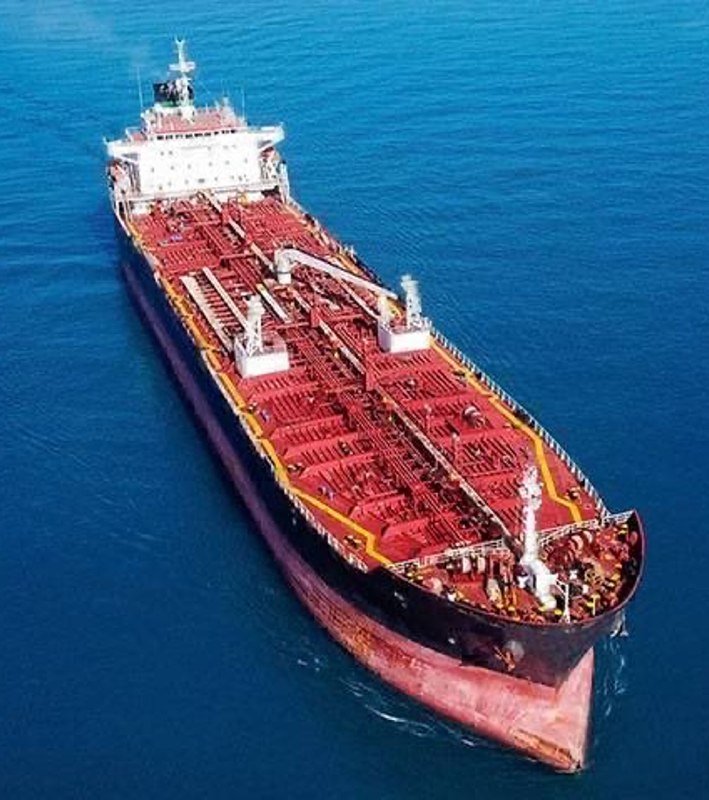
For the better part of a decade, American policy toward Iran operated on a single animating premise: maximum pressure would force Tehran to the negotiating table on American terms. On 28 May 2026, that premise quietly collapsed. Axios reported that senior US officials had agreed to a memorandum of understanding under which Washington would discuss easing sanctions and releasing frozen Iranian assets — in exchange for Tehran removing mines from the Strait of Hormuz and committing to sixty days of ceasefire. Navigation through the strait, through which roughly one-fifth of the world's oil passes, would become unrestricted and fee-free. The deal, if it holds, is a ceasefire instrument. But its deeper significance is what it reveals about the balance of leverage at the world's most critical maritime chokepoint.
The structure of the exchange tells you everything. The United States, whose Fifth Fleet patrols the Gulf and whose navy has exercised uncontested freedom of navigation through Hormuz for generations, is offering economic concessions in order to secure a commitment that should, in theory, require no concession at all — that merchant vessels can pass through international waters unmolested. This framing is not accidental. It reflects a deliberate Iranian谈判 strategy: embed concessions inside a framework that normalises Iran's claimed "exercise of sovereignty" over the strait as a bargaining chip worth exchanging. Iranian Deputy Foreign Minister statements, carried by regional wire services on the same day, made the diplomatic intent unmistakable. "The exercise of Iran's sovereignty over the Strait of Hormuz is now well established," one official said. "We will not allow US military measures to weaken our sovereignty." That is not the language of a party under duress.
The Ceasefire That Was Always Coming
The sixty-day extension of the ceasefire is presented as a diplomatic achievement, and it may yet prove to be one — in the narrow sense that any pause in hostilities reduces the immediate risk of miscalculation. Oman, which shares territorial waters with Iran at the strait's narrowest point, has positioned itself as a quiet interlocutor throughout. Middle East Eye reported that Muscat's role is considered essential precisely because it is the only other state with a direct stake in the waterway's governance. Oman benefits from stable transit fees and does not want to be caught between Iranian and American military logic. That Omani interest aligns with de-escalation is not nothing.
But the ceasefire's architecture is worth examining closely. It is not a peace agreement. It is a pause. And the price of the pause — sanctions relief discussions, asset releases, normalisation language around Iranian sovereignty claims — accrues to Tehran even as the underlying disputes (the nuclear programme, the regional proxy network, the ballistic missile arsenal) remain entirely unresolved. This is not a criticism of diplomacy. It is an observation that the leverage being exchanged is asymmetric: Iran gains economic oxygen and diplomatic legitimacy now; the United States gains a temporary quiet that its own regional partners will be watching to see whether it can convert into something durable.
Sovereignty by Degrees
The nuclear negotiations that the memorandum reportedly reinstates are the stated prize. And yet the more consequential development may be what is happening to the sovereignty narrative around Hormuz. For years, Western analysts dismissed Iranian claims to special authority over the strait as rhetorical overreach. The waterway is an international shipping lane; the legal framework governing it is well established. Iran's periodic disruptions — mining threats, Revolutionary Guard interdictions, seizures of tankers — were treated as provocations that the US navy would deter.
What this deal does, whether by design or drift, is move Iran one step closer to a de facto veto over the strait's operating rules. The removal of mines in exchange for sanctions relief is a one-time transaction. But the language of "unrestricted navigation without fees" is a permanent concession to a framing that Iran has been building for years: that its geographic position confers a legitimate supervisory role over the corridor. American officials may believe they are buying temporary stability with a phrase. Tehran may believe it is institutionalising a permanent fact. The gap between those two readings will determine whether the deal ages well or becomes the foundation for the next crisis.
The nuclear file remains where the substantive disagreements live. Enrichment levels, inspection access, the timeline for sanctions removal — these have proven intractable before. That the memorandum commits both sides to renewed nuclear talks is not insignificant. But the precedents are not encouraging. Every previous iteration of this negotiation has eventually broken down over the same core tension: Iran wants sanctions lifted fully and quickly; the United States wants verifications that take time to implement. Sixty days is not long enough to resolve a disagreement that has persisted across three American administrations.
What Is Actually at Stake
The readers of this publication understand something that official framing often obscures: the Strait of Hormuz is not merely a diplomatic theatre. It is infrastructure. Roughly twenty percent of global oil shipments pass through waters so narrow at the narrows — thirty-three kilometres at the widest point of the shipping channel — that a deliberate disruption would send crude prices spiralling within hours. Tankers insurance premiums alone would spike before a single vessel was intercepted. The economic weight of that chokepoint is why Iran has treated it as a strategic asset rather than simply a legal problem to be resolved through international norms.
The deal offers short-term relief on that front. Mines removed, transit restored, ceasefire extended. That is real. But the longer-term question — whether this memorandum marks the beginning of a structured normalisation or merely a tactical pause in a strategic contest — remains genuinely open. What is not open is the direction of travel on sovereignty. Iran has spent years converting its geographic position into diplomatic currency. Wednesday's agreement is the largest single deposit yet.
This publication has consistently argued that coverage of Gulf geopolitics underestimates the agency of regional states and overweights the degree to which American power can structure outcomes on its preferred terms. The Hormuz memorandum is a case in point. Washington secured a ceasefire and may yet secure nuclear talks. Tehran secured something it has wanted for years: acknowledgment, embedded in a bilateral document, that its sovereignty over the strait is a negotiating fact rather than a provocation. Both sides will claim victory. The longer-term verdict belongs to the historians and the energy markets — and neither has a strong track record of rewarding ambiguity.
Wire provenance
This editorial synthesis draws on the following public wire/social posts:
- https://t.me/alalamarabic
- https://t.me/alalamarabic
- https://t.me/alalamarabic
- https://t.me/alalamarabic