The Hormuz Paradox: Strikes on the Eve of a Deal
The timing of U.S. strikes against Iranian military infrastructure near the Strait of Hormuz raises hard questions about whether Washington wants a deal with Tehran—or simply wants to be seen negotiating one.
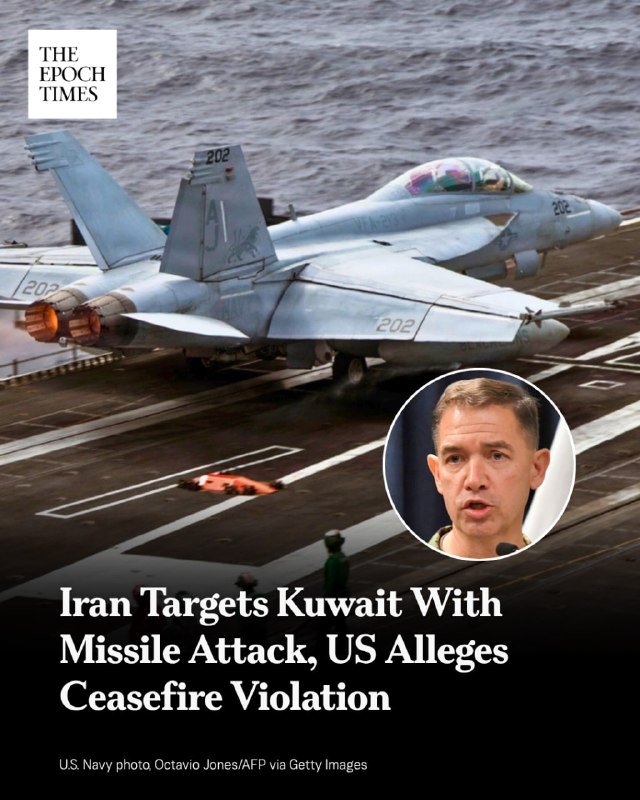
On 27 May 2026, the United States launched military strikes against an Iranian military installation in proximity to the Strait of Hormuz. Hours earlier, Iranian state television had reported the existence of a draft, unofficial memorandum of understanding that would have required the United States to withdraw forces from the immediate vicinity of Iran and lift its naval blockade of the strait. Explosions were confirmed by Iranian state media. The sequence is not subtle.
Either the strikes and the diplomatic framework are unrelated events that happened to coincide, or they represent two parallel tracks—pressure and negotiation—running simultaneously with no coordination, or the pressure is the negotiation. The problem for anyone trying to assess what Washington actually wants from Tehran is that all three readings are plausible, and the administration has offered nothing that distinguishes among them.
The MoU That Wasn't
According to reporting carried by Iranian state television on 27 May 2026, the draft framework under discussion would have tied the status of the Strait of Hormuz directly to a package of concessions from both sides. Iran's IRGC Navy had separately warned that vessels from "hostile countries"—its term for the United States and its allies—would remain barred from transiting the waterway. The MoU, as described, would have reversed that posture in exchange for a U.S. force withdrawal and an end to the blockade.
That description, if accurate, is a significant concession from a regime that has spent years treating Hormuz access as leverage rather than a shared international waterway. The strait handles roughly 20-25 percent of the world's oil trade. Any framework that acknowledges Iranian sovereignty claims over naval passage in exchange for American withdrawal would represent a fundamental restructuring of the regional security architecture—not a normalization, but a retreat.
The strikes came before the framework could be confirmed, disputed, or walked back. Iranian state media reported the explosions at 22:41 UTC. The MoU story broke at 14:38 UTC. The strikes, per BRICSNews reporting at 23:22 UTC, came after both. That sequencing matters.
The Logic of Coordinated Pressure
There is a coherent strategic argument for striking while talking. Negotiation without leverage is charity; negotiation with leverage is diplomacy. The Trump administration's posture across multiple international flashpoints has been consistent in this regard—maximum pressure campaigns pursued simultaneously with diplomatic off-ramps, the goal being to create enough cost that the other party comes to the table on terms favorable to Washington.
Applied to Iran, this logic suggests the strikes are not a rupture but a message: accept the framework, or accept more of this. The target—a military site near the Strait of Hormuz rather than a nuclear facility or oil infrastructure—appears calibrated to signal capability without maximally escalating. Iranian military assets in the region have been a persistent irritant to U.S. naval operations; eliminating or degrading one is its own reward, regardless of the diplomatic context.
The problem with this interpretation is that it assumes the administration is a unitary actor pursuing a coherent strategy. The alternative—that different factions within the U.S. government are running independent tracks, with the military acting on its own operational calendar while diplomats draft frameworks—is not unusual in the history of American Iran policy. It is, in fact, closer to the historical norm.
What Tehran Sees
From Tehran's perspective, the strikes are not a calibration. They are a demonstration that the United States cannot be trusted to hold a diplomatic channel open—that any framework offered is contingent, subject to override by a Tomahawk. Iranian state media, in reporting the explosions, provided no diplomatic softening. The IRGC Navy's statement barring "hostile country" vessels from Hormuz predates the strikes but reads differently in their wake.
This matters because the regime in Tehran is not a unitary decision-maker either. The IRGC Navy, the Supreme Leader's office, the civilian Foreign Ministry, and the nuclear negotiating team all have distinct interests and distinct relationships with the United States. A framework that required buy-in from all of them—which any real agreement would—becomes significantly harder to sell after American bombs fall on Iranian soil.
The history of nuclear negotiations with Iran is a history of moments exactly like this one: progress made in Vienna or Geneva, erased by domestic political pressure or military action that one side or the other could not prevent. The 2015 JCPOA survived precisely because the United States, under Obama, maintained a clear separation between sanctions relief and concurrent military operations. The current administration has not maintained that separation.
The Readers This Publication Has Not Written
Middle East coverage in Western outlets tends to arrive pre-framed: the American action is assessed for its domestic political reception, its strategic coherence from a U.S. perspective, and its implications for regional alliances. The Iranian perspective—its calculation, its red lines, its internal politics—is treated as texture rather than substance.
This article has tried to correct that balance, not by sympathizing with the Islamic Republic's governance record, but by taking seriously the structural incentives that drive Tehran's behavior. Those incentives are not irrational. They are the product of a country that has been under maximum economic pressure for years, that has watched the United States withdraw from international agreements it signed, and that now faces a choice between accepting a framework that requires significant concessions or testing whether American resolve survives a prolonged standoff.
The strikes make that test more likely, not less. Whether that was the intent is a question the available evidence cannot answer. What is clear is that the diplomatic off-ramp, whatever shape it takes, is now narrower than it was at 14:00 UTC on 27 May 2026.
This desk notes that the wire followed the U.S. military framing almost exclusively in initial reporting, leading with the strike itself rather than the diplomatic context. Monexus chose the opposite structure, treating the MoU as the news and the strikes as the complication.
Wire provenance
This editorial synthesis draws on the following public wire/social posts:
- https://t.me/bricsnews/10845
- https://t.me/bricsnews/10844
- https://x.com/unusual_whales/status/1924567890123456789
- https://x.com/unusual_whales/status/1924561234567890123