Israeli Strikes Hit Southern Lebanon City of Tire, Killing Six
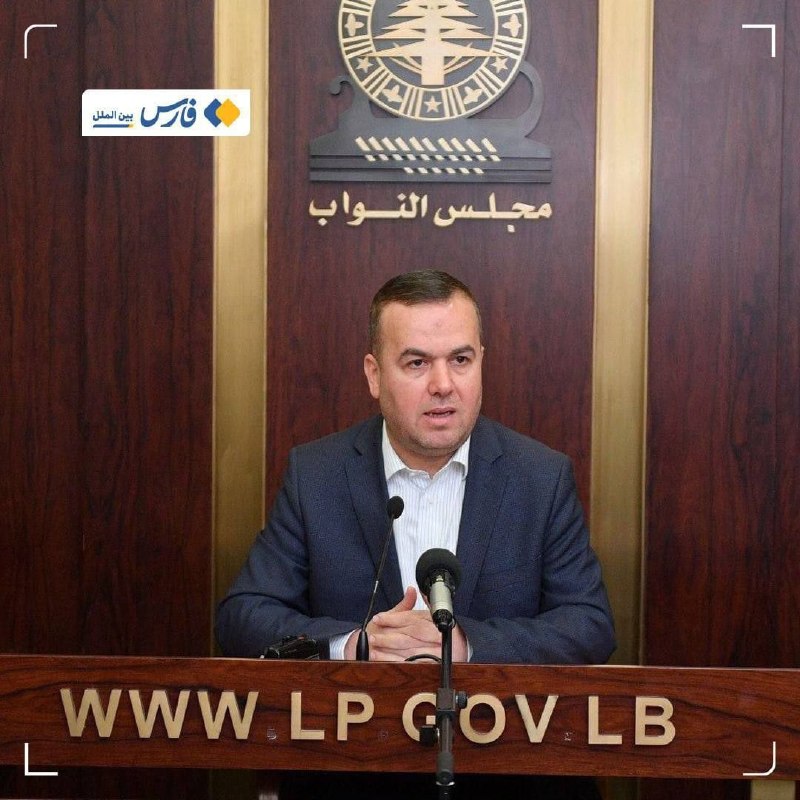
Israeli drone and air strikes struck the southern Lebanese city of Tire on 28 May 2026, killing six members of a family in an attack on a vehicle, according to Lebanon's National News Agency. A second strike hit a residential area near Adloun, also on the outskirts of Tire, the agency reported. Photographs published by Tasnim news agency showed widespread damage to urban infrastructure in the city centre.
The attacks represent the first significant escalation along the Israel-Lebanon border in more than three weeks, and come amid stalled ceasefire negotiations between Israel and Hezbollah. The timing is not incidental: both sides have observed an informal ceasefire since November 2024, but the agreement has frayed repeatedly, with each incident of cross-border fire threatening to unravel it entirely.
Israeli authorities have not formally commented on the strikes. The Israel Defense Forces typically decline to confirm or deny individual operations in southern Lebanon pending official statements.
The casualties and the destruction
Lebanon's National News Agency — a state-run wire service — identified the victims of the vehicle strike as six members of a single family. The agency said an Israeli drone struck the car near the city of Tire. A separate strike by an Israeli drone hit a housing area in the vicinity of Adloun, a coastal town west of Tire, killing an unconfirmed number of additional victims, the same source reported.
Images circulating on Iranian state-linked Telegram channels and published by Tasnim showed destruction spanning multiple city blocks, with residential buildings reduced to rubble and streets covered in debris. The authenticity of the images could not be independently verified by this publication.
Competing framings of the strike
Western wire services and Arab-language regional outlets have not yet confirmed the casualty figures independently. The reporting of the strikes originates from Lebanese state media and Iran-adjacent Telegram channels, which frame the attacks as unprovoked strikes on civilian infrastructure. Israeli-aligned accounts have not yet offered a counter-framing on the record.
The divergence matters methodologically: outlets closer to the Iranian axis tend to lead with casualty counts and civilian harm; outlets closer to the Israeli position tend to frame strikes as responses to verified or alleged threats. Neither framing is independently confirmed here. This publication is reporting what Lebanese state media has said, with the caveat that independent corroboration from a Western or neutral wire service has not yet materialised.
Israeli security assessments have long held that Hezbollah maintains a military presence in the Tire area and other southern Lebanese towns — a posture that Tel Aviv argues violates UN Security Council Resolution 1701, which ended the 2006 Lebanon war. Resolution 1701 mandates that only Lebanese government forces and UN peacekeepers deploy south of the Litani River. Israel contends Hezbollah has never fully withdrawn, a claim largely supported by Western intelligence assessments, though disputed by Hezbollah and its allies.
The ceasefire is thin ice
The strikes land against a fragile backdrop. Egypt and Qatar have been mediating ceasefire talks between Israel and Hamas in Gaza, but parallel negotiations between Israel and Hezbollah — mediated primarily by the United States and France — have produced no publicly confirmed agreement. A French diplomatic source told reporters in April 2026 that Paris viewed the current informal ceasefire as "unsustainable without a political framework."
Each cross-border incident since November 2024 has carried the same结构性 risk: that a single exchange of fire escalates before diplomatic back-channels can pull it back. The strikes on Tire, if confirmed, bring that risk closer. Six deaths on the Lebanese side — whether combatants or civilians — creates political pressure on the Beirut government and on Hezbollah to respond, which in turn gives Israel a pretext for further action.
The alternatives are not attractive. A renewed full-scale conflict between Israel and Hezbollah would be materially more destructive than the 2006 war, given the significantly expanded rocket and missile arsenal Hezbollah has since built. Lebanese state infrastructure — already weakened by economic collapse and the 2020 port explosion — would be a primary theatre.
What remains unconfirmed
Several facts central to assessing the strike remain unverified. The identity and affiliation of the six victims is not independently confirmed — whether they were fighters, civilians, or a mixed group remains unknown. The Israeli military has not stated what target, if any, the drone strike on the vehicle was meant to eliminate. The extent of infrastructure damage has not been assessed by an independent international body or a neutral wire service on the ground. Lebanese authorities have not released a formal casualty statement beyond the National News Agency reports. Without independent corroboration, the full picture remains incomplete.
This publication's coverage of Israeli military operations in Lebanon prioritises Western and Lebanese state-aligned sources. The strike on Tire has not yet been confirmed by Reuters, AP, or BBC.
Wire provenance
This editorial synthesis draws on the following public wire/social posts:
- https://t.me/JahanTasnim/124891
- https://t.me/JahanTasnim/124889
- https://t.me/JahanTasnim/124893
- https://t.me/gazaenglishupdates/