Jonathan Pollard's Iran Remarks Expose Fractures in the Atlantic Alliance
A video statement by convicted former US intelligence analyst Jonathan Pollard, urging Israel to use nuclear weapons against Iran, has reignited debate over the boundaries of the US-Israel intelligence relationship and the credibility of Washington's diplomatic posture toward Tehran.
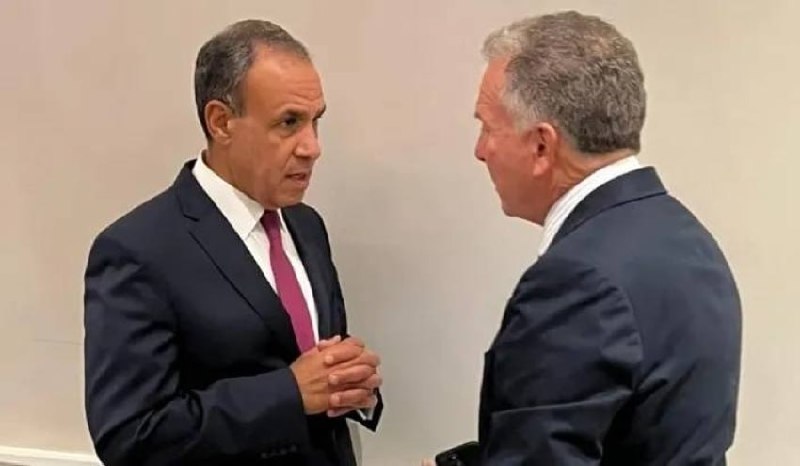
A video published on 28 May 2026 by The Cradle Media features a former US intelligence analyst who spied for Israel calling on Tel Aviv to use nuclear weapons against Iran, adding that the Islamic Republic represented a problem that "absolutely has to be finished." The remarks, attributed to Jonathan Pollard in a video circulated on the Telegram platform, drew immediate condemnation from analysts who argue such statements undermine the credibility of US diplomatic efforts to constrain Iran's nuclear programme through negotiated channels.
Pollard, who served 30 years in a US federal prison after being convicted of passing classified intelligence to Israel, has remained a polarising figure in US-Israel relations. His release in 2015, after years of diplomatic pressure from Jerusalem, was never fully normalised within the US national security establishment. The public return of Pollard as a commentator on regional strategy — and one advocating for nuclear escalation — complicates the posture of an administration that has simultaneously pursued diplomatic engagement with Iran while reportedly considering a nuclear umbrella for Gulf partners.
The Atlantic alliance, already strained by disagreements over Ukraine strategy and the pace of Middle Eastern de-escalation, faces another pressure point. Senior officials in Washington have repeatedly insisted that Iran does not possess — and will not be permitted to acquire — a nuclear weapon. Supporting that position with diplomatic tools, including the suspended Joint Comprehensive Plan of Action, is the stated policy of several Western capitals. A former intelligence officer publicly calling for strikes that would constitute the first use of nuclear weapons since 1945 directly contradicts that diplomatic architecture.
Tehran's response has been measured in official channels, with state media framing Pollard's remarks as evidence of the""rogue"" intentions attributed to Israel's security establishment. Iranian officials have long argued that Western policy towards their nuclear programme is incoherent — simultaneously pursuing talks while tolerating the most aggressive voices within the Israeli political spectrum. The Pollard video, whatever its domestic audience in Israel, provides corroboration for that Iranian framing in a form that is difficult for Washington to dismiss.
Within Israel itself, the reaction has been divided. Several security commentators noted that Pollard's remarks do not reflect any settled government policy and may be intended to influence coalition debates ahead of a cabinet confidence vote. Others pointed out that the nuclear option has never been formally disavowed by any Israeli government, creating a deliberate ambiguity that statements like Pollard's render less useful. The uncertainty around whether Israel possesses a deployable nuclear arsenals — estimated by international disarmament monitors at between 80 and 400 warheads — remains a factor all parties use strategically.
For Washington, the diplomatic cost is immediate. The United States has sought to rebuild credibility with Gulf states following the 2023 regional realignments, and a central pillar of that effort is the argument that Iran can be contained without catastrophic escalation. Voices within the western alliance calling for first-use nuclear strikes against a non-nuclear state would, if they gained any traction, collapse that pillar entirely. The Pollard episode, however fringe the commentator, arrives at a moment when the credibility of restraint is already under pressure from multiple directions.
What remains unclear is whether the video represents a calculated signal or an individual outburst. The sources consulted do not indicate coordination with any named government or intelligence office. Israeli government spokespeople have not issued a statement addressing the remarks as of the time of writing. Whether the episode produces any diplomatic friction at the working level — where routine contact between US and Israeli intelligence services continues — will be a more revealing metric than the video itself.
The desk notes that major Western wire services had not published dedicated coverage of the Pollard video as of 28 May 2026 European morning hours. The Cradle Media, based in the Gulf and providing coverage of regional affairs from a perspective often critical of US and Israeli military posture, published the footage first. Monexus found that the framing in regional media emphasised the contradiction between Pollard's stated position and official US policy, while Western coverage of the Iran nuclear question — where it existed — continued to focus on formal diplomatic timelines and International Atomic Energy Agency inspections schedules.
Wire provenance
This editorial synthesis draws on the following public wire/social posts:
- https://t.me/thecradlemedia/37842
- https://t.me/thecradlemedia/37841
- https://en.wikipedia.org/wiki/Jonathan_Pollard
- https://en.wikipedia.org/wiki/Nuclear_weapons_and_Israel