Mazzulla's Second Act: Celtics Coach Claims Consecutive Coach of the Year Honors
Joe Mazzulla's repeat Coach of the Year award caps a remarkable trajectory for a coach who entered the 2024-25 season as a relative unknown and now stands as the NBA's most decorated recent hire. But the award raises questions about what it measures—and what it rewards.
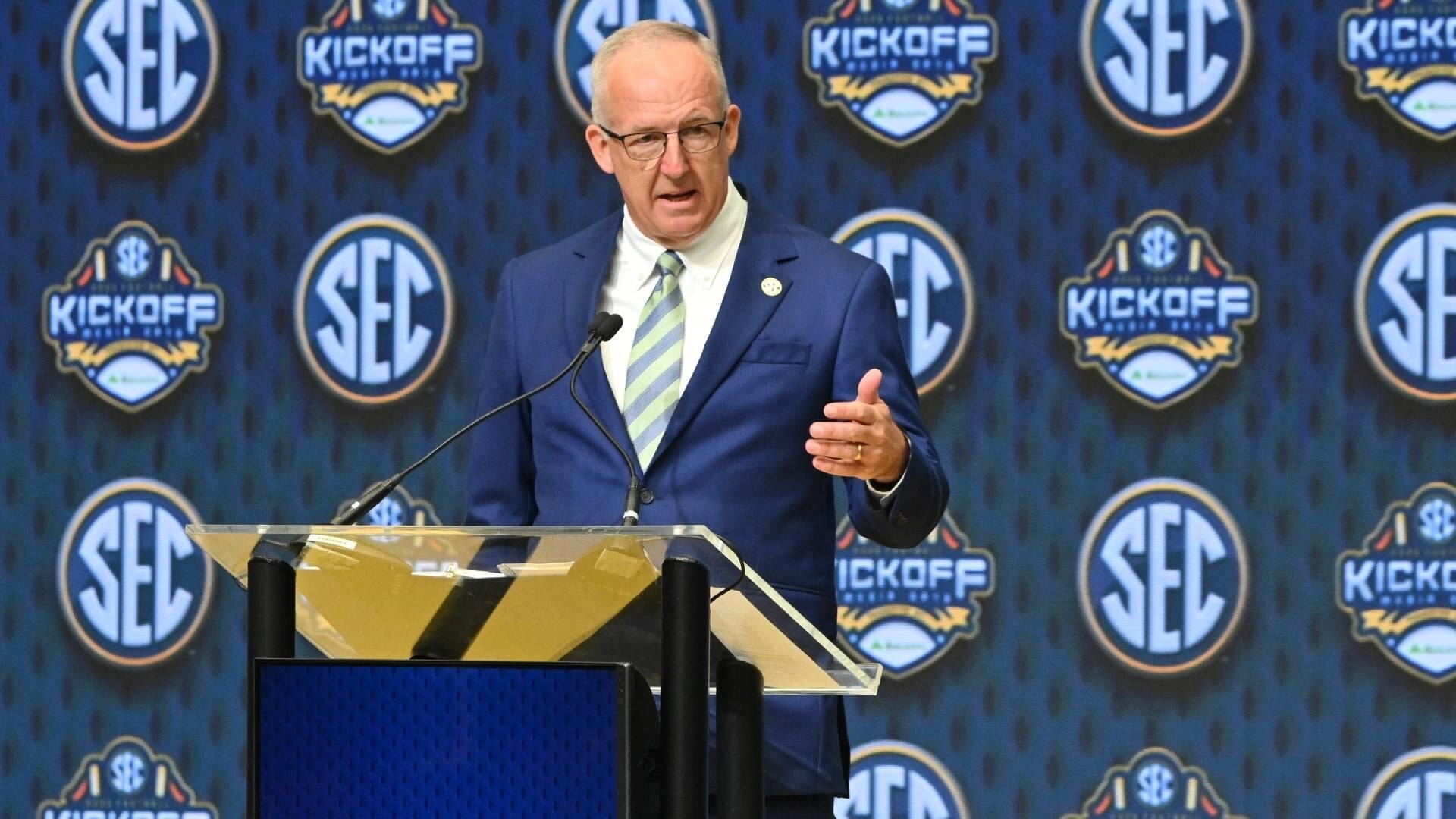
On Tuesday, 26 May 2026, the NBA announced what few observers would have predicted three years ago: Joe Mazzulla of the Boston Celtics had been named Coach of the Year for the second consecutive season, finishing ahead of Cleveland's J.B. Bickerstaff and New York's Mitch Johnson in a vote that separated the Boston candidate by a substantial margin, according to league sources.
The award completes a circle that began with skepticism. When Mazzulla took over a Celtics team in the summer of 2023, the prevailing view in league circles was that he was an interim solution—a former assistant with no head-coaching experience at any level, elevated by circumstance rather than design. The organization had cycled through two coaches in two seasons. Mazzulla was, in the framing of the moment, a placeholder. He won sixty games that first year, reached the Finals, and lost. The following season—his first full campaign with a training camp—brought the championship that silenced most of the doubters. This season's award, his second in as many tries, suggests the doubters are now a minority.
What the Vote Actually Measures
The Coach of the Year award has always been a contested metric. Unlike player MVP, where individual statistics provide a baseline, coaching recognition depends heavily on roster context, preseason expectations, and the narrative the league wishes to construct about leadership. Mazzulla's case is unusually strong by the first criterion—the Celtics finished the regular season with the league's best record at 68-14, the same mark they posted in his championship campaign—but the award's significance is worth interrogating.
Bickerstaff took a Cleveland team that added no marquee free agents to the Eastern Conference's second seed. Johnson's Knicks navigated a compressed roster to a fourth-place finish in a stacked conference. Both represent genuine achievement. That Mazzulla separated himself so decisively suggests the award is doing what it often does: confirming the obvious while rewarding the loudest storyline. The championship, the personalities, the fact that Boston plays an aesthetically legible style of basketball—these factors compound in voting rooms.
This is not to diminish what Mazzulla has built. The Celtics lead the league in defensive rating for the second consecutive season. They have maintained a consistent culture across a roster that, by any objective measure, could have frayed after the high of a championship. Sustaining that requires something beyond tactical competence.
The Anti-Celebrity Coaching Mode
What distinguishes Mazzulla from recent Coach of the Year recipients is the deliberate flatness of his public persona. The award has increasingly gone to coaches who combine on-court performance with compelling personal narratives—Michele's Warriors, Taylor Jenkins' Gritty Memphis experiment. Mazzulla offers none of that theatrical texture. He speaks in disciplined, process-oriented sentences. He deflects individual credit with the consistency of a trained reflex. His teams play the same way: disciplined, team-first, occasionally frustrating to watch in the way that all genuinely excellent defensive units are frustrating to watch.
This approach has a structural advantage in the current NBA landscape. The league's media ecosystem rewards controversy, personality conflict, and star-centric drama. Mazzulla's refusal to participate in that ecosystem strips away the noise that complicates evaluation of coaching performance. When the Celtics win, it is because of execution. When they lose, it is because of execution. Nothing else is on offer.
Whether this reflects a philosophical conviction or simply the natural temperament of a private person remains unclear. But the results speak: back-to-back Coach of the Year awards, a championship, and a 68-win regular season in a campaign that followed that championship. The Celtics are not stumbling into success. They are manufacturing it.
The Conference Context
The Eastern Conference that Mazzulla navigates has shifted significantly since his first award. Cleveland, led by a roster built for the present rather than the future, finished fourteen games ahead of last season's pace. New York, despite injuries that would have derailed lesser outfits, claimed homecourt advantage through the first round. Miami, after a quiet winter, enters the playoffs as the kind of team no one wants to face in a seven-game series.
This matters for how we evaluate Mazzulla's achievement. Winning sixty-eight games in a weaker conference would be impressive; winning sixty-eight games in a conference that has meaningfully deepened represents a different category of accomplishment. The Celtics did not merely maintain their standard—they maintained it against opponents who had, in several cases, improved specifically to challenge them.
The championship window that opened with the 2024 title remains open. Jayson Tatum and Jaylen Brown are in their physical primes. The supporting cast is built for playoff basketball rather than regular-season arithmetic. If there is a ceiling on this era, it is not visible from where the Celtics currently stand.
The Stakes of the Stakes
For Mazzulla personally, the award carries contract and legacy implications that will play out over the coming months. The NBA's coaching market has shifted dramatically in the past two seasons; coaches who win Coach of the Year rarely remain in their positions without renegotiated terms that reflect their market value. Mazzulla is not a young hire anymore. He is, by the standards of the current market, an established franchise pillar.
The deeper stake is what his success signals about how the league values coaching. The trend toward longer contracts, higher salaries, and greater organizational investment in coaching stability suggests that teams have internalized the lesson that leadership matters. Mazzulla is not simply a coach who won two awards; he is evidence that the investment model works.
Whether the award itself is the right measure of that investment is a separate question. The NBA's Coach of the Year has historically favored the narrative over the nuance, the outcome over the process. Mazzulla's case, unusually, has both. The championship confirms what the voting could only suggest. And the voting confirms what the championship might have obscured: that this was not luck, not circumstance, not the product of a superstar roster alone. It was coaching.
This desk covered the award announcement as a league milestone, noting the structural questions around coaching recognition but withholding judgment on the vote's composition pending official release of ballot totals.
Wire provenance
This editorial synthesis draws on the following public wire/social posts:
- https://t.me/NBALive/28431