Sinner's Roland Garros Exit Exposes the Fragility of Grand Slam Perfection
World number one Jannik Sinner's second-round exit at Roland Garros on 28 May 2026 raises questions about the physical and mental toll of sustaining dominance across the Grand Slam calendar.
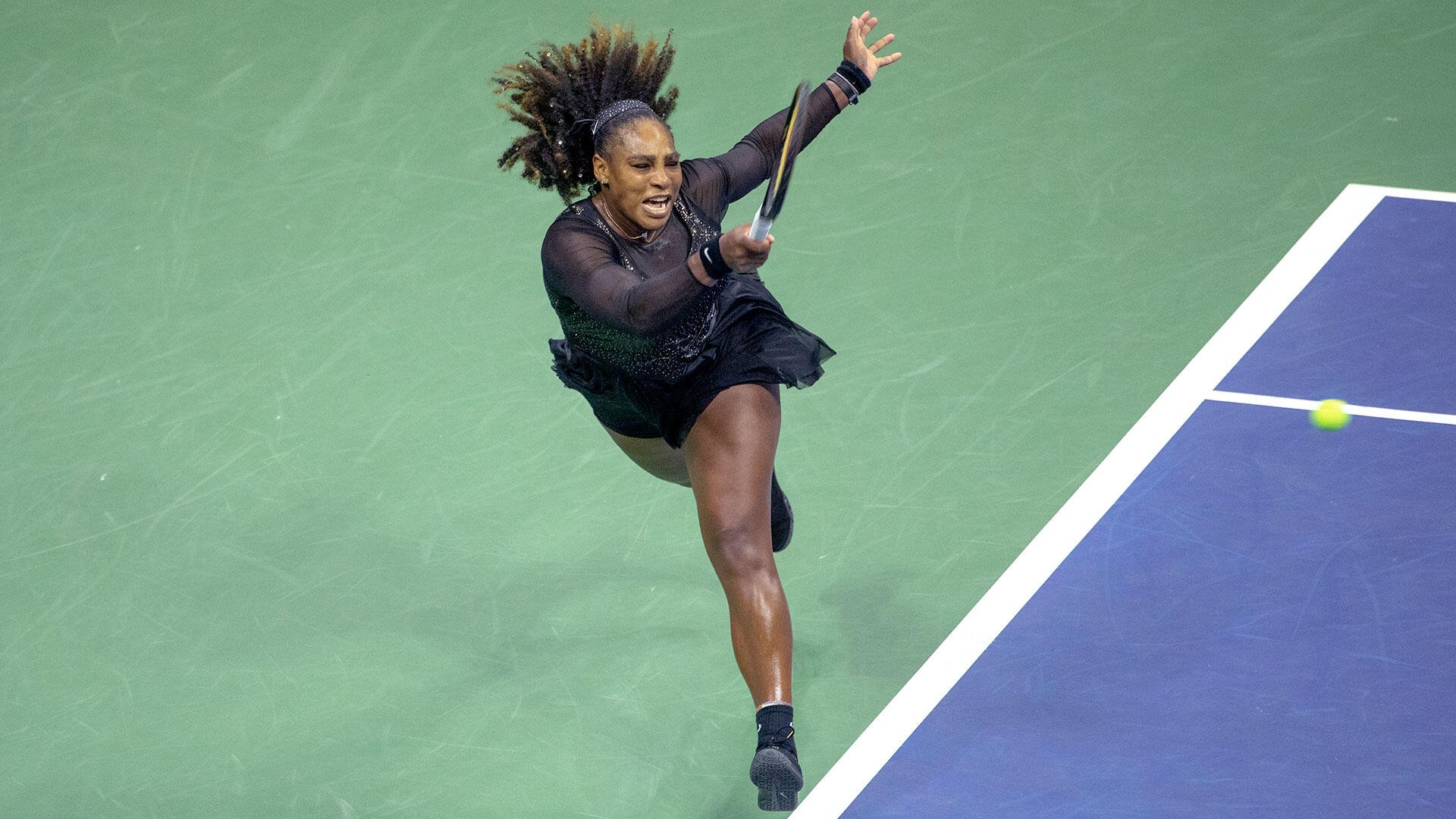
Jannik Sinner's French Open campaign ended in circumstances that no forecaster had modelled. The world number one, one game from completing a two-set lead on the afternoon of 28 May 2026, collapsed against Argentina's Juan Manuel Cerundolo at Roland Garros, losing 3-6, 6-7(5), 6-4, 6-2, 6-4 in a second-round match that will reverberate through the season's narrative arc. Cerundolo, ranked 56th in the world, recovered from two sets down under brutal heat conditions to complete one of the most startling reversals in recent Grand Slam memory.
That a player of Sinner's standing — dominant on hard courts, ascended to the summit of the ATP rankings — could surrender 18 of the last 20 games in a five-set loss to a 56th-ranked opponent is not merely an upset. It is a signal. The question is what the signal means, and whether the sport's conventional frameworks for interpreting it are adequate.
The Match That Defied the Projections
The broad contours of what unfolded on Court Philippe Chatrier have been corroborated across multiple outlets. Sinner took the first set 6-3 and edged a tiebreak in the second, a sequence that appeared to confirm the result that rankings implied. The Italian was broken in the third set and hisgame unravelled progressively. By the fourth set, he was visibly compromised. Reports from the scene and from wire feeds describe a player labouring under extreme heat — Paris recorded temperatures in the high thirties Celsius on 28 May — and apparently struggling with illness beyond the environmental strain. The Corriere della Sera Telegram channel reported Sinner as being "ill, one step away from victory, collapsing." France24's English-language feed noted the sweltering conditions as a complicating factor in Sinner's elimination.
Cerundolo, a 23-year-old from Buenos Aires with no prior Grand Slam quarter-final appearances, exploited the opening with composure. He broke serve repeatedly in the fourth and fifth sets, claiming 12 of the final 14 games — a sequence that transformed a scheduled second-round match into a career-defining result for the Argentine. The scale of the collapse, not merely the result, is what separates this from the ordinary world-one defeat.
When Illness Meets Opportunity
A counter-narrative presents itself readily: this was not a failure of tennis so much as a failure of the body. Sinner's withdrawal from the Madrid Open with illness earlier in the clay-season swing had passed without major disruption to the season's trajectory. His reach the final in Rome before winning suggested the illness was transient. The structural argument runs that a fully healthy Sinner dispatches Cerundolo comfortably, that the result tells us nothing durable about the world number one's competitive profile.
That reading is plausible but incomplete. Sport rarely offers the clean conditions of a laboratory experiment. Heat exhaustion and viral illness are not external intrusions into the competition — they are part of its texture, particularly for a player who competes at the summit where margins contract and physical resilience becomes a structural requirement. The ATP Tour's calendar, which saw Sinner compete in Monte Carlo, Barcelona, Rome, and reach the Madrid final in the weeks before Paris, leaves little room for recovery when a pathogen arrives. The question becomes whether the tour's scheduling architecture is compatible with sustained peak performance across all four Slams — and whether we should treat a player's physical state as separable from their competitive record.
The Architecture of Dominance Under Strain
The deeper frame is structural. The contemporary men's game has not lacked for dominant number ones, but the durability of their Grand Slam claims has varied considerably. Sinner, by winning the Australian Open and holding the number one ranking through the spring, occupies a position that presupposes a certain continuity of elite performance. The French Open, nominally suited to the baseline power and defensive solidity that characterise his game, represents the clearest remaining opportunity to complete the career Grand Slam — a milestone that simultaneously defines individual greatness and raises the bar against which future performance will be measured.
The elimination short-circuits that narrative for another year. It also raises a quieter question about the concentration of resources at the top of the game. The gap between the top ten and the ATP middle tier is often presented as a chasm in the data — ranking differentials of 50 or more places routinely produce lopsided results. What Cerundolo's win demonstrates is that this gap is conditional, not absolute. When the top player's physical state is compromised and the conditions turn hostile, the ladder inverts. The structural advantage that rankings represent is itself fragile, contingent on the body's continued cooperation.
Beyond Sinner's personal trajectory, the result reopens the tournament's draw in ways that will reshape the competitive incentive structure for the remaining contenders. With the world number one absent, the path to the final simplifies for those positioned to take it.
What the Exit Costs — and What It Doesn't
The concrete stakes are distributed unevenly. For Cerundolo, the win is transformative in career terms — a genuine Grand Slam scalp, national recognition, and a ranking jump that positions him for direct Slam entry going forward. For the remainder of the men's draw, the elimination of the top seed redistributes the probability of an outcome that was previously settled.
For Sinner, the costs are real but manageable. He retains the number one ranking, has proven form on grass and hard courts, and carries no structural loss unless the illness pattern recurs. The French Open exit does not diminish the Australian Open title already secured. What it removes is the chance to consolidate — to add a surface-category win that would have made the career Grand Slam argument unambiguous.
The residual uncertainty is the most honest thing to report: sources do not specify the precise nature or severity of Sinner's illness, nor whether a withdrawal from a subsequent event was contemplated. What is established is that he played the match while constrained, that the constraint was material, and that the result followed. The lesson for those tracking the season is to treat physical resilience not as a background constant but as a variable that tracks with competitive load, travel, and the inevitable encounters with pathogens that a packed tour schedule produces.
This publication covered Sinner's elimination against the broader context of Grand Slam scheduling and athlete physical load, a frame wire reports largely passed over in favour of the result's surface novelty.