Trump's Iran 'Deal' Is Theater — And Everyone Knows It
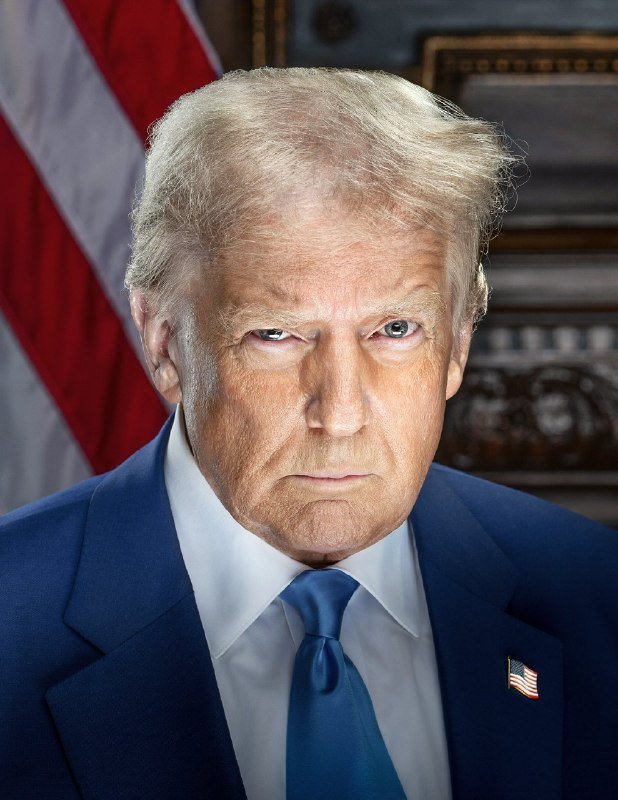
Donald Trump called Iranian negotiators "very clever" in a new interview, while insisting that America holds the stronger hand in any prospective talks. The framing is familiar: treat the adversary as worthy, even as you insist you are dominant. But the two claims do not sit easily together, and the dissonance tells us more about the state of Washington's Iran policy than any genuine diplomatic logic.
The White House has oscillated between threats and outreach since the early days of this administration. Negotiations have been announced, suspended, and announced again. The pattern has become its own message — not one of strategic coherence, but of pressure tactics running into their own contradictions.
The 'Clever' Problem
When a sitting American president publicly credits an adversary with sophistication, he accomplishes two things simultaneously: he elevates that adversary's standing and he lowers the bar for what counts as a success in any eventual exchange. If Iranian negotiators are "very clever," then every concession made in a deal becomes, by definition, the product of skilled adversaries extracting maximum value. The framing makes any agreement look like a near-run thing.
Iranian state media picked up the remarks quickly, running them alongside characterizations of the American president as under pressure from failed policy objectives. The asymmetry is instructive. Washington frames the relationship as one where American leverage is determinative; Tehran frames it as a contest where American pressure has demonstrably failed to achieve its stated aims. Neither side is speaking to the same facts — they are speaking to different audiences.
What Tehran Actually Sees
Iran's negotiating posture has been consistent across multiple rounds of diplomacy stretching back to the 2015 Joint Comprehensive Plan of Action. The core demand has remained: sanctions relief verified before any nuclear constraints are eased. That sequencing preference reflects hard experience. The previous administration pulled out of the agreement and reimposed maximum pressure. Iranian decision-makers watched American credibility on commitments collapse in real time. That experience does not easily fade.
Tehran's current calculus is not ideological stubbornness — it is risk calculation. Any administration that can exit a multilateral agreement with European and Asian partners can exit a bilateral one. Iranian negotiators are not being clever in some abstract diplomatic sense. They are responding to a specific historical record. The negotiating culture that Trump describes is, in significant part, a learned response to American inconsistency.
The Domestic Pressure Problem
The interview language appeared on Iranian state media within hours of the Fox News broadcast. The speed of transmission was itself a signal. Iranian outlets framed the remarks as evidence that Washington's position is weakening — that the president is under pressure from the "failure of his war goals in Iran." That framing may be self-serving, but it is not irrational. American officials have acknowledged privately that the maximum pressure campaign has not produced the Iranian capitulation its architects anticipated.
Washington's Iran policy has a domestic political dimension that Tehran understands and exploits. The administration needs a deal narrative — something that can be sold as a victory without requiring the kind of concessions that would provoke a backlash from Gulf allies or domestic hardliners. Tehran knows this. Its negotiating posture is calibrated not just to resist American pressure but to run out the clock on an administration whose own political horizon may be shorter than it appears.
The Stakes
The current diplomatic opening is not negligible. Both sides have expressed willingness to talk. The problem is not willingness — it is trust, and trust requires a track record that does not yet exist. If the talks collapse, the alternatives are a continued sanctions squeeze that damages ordinary Iranians without changing regime behavior, or a military dimension that no regional actor is actively seeking but that remains a background possibility.
The European powers, the Chinese, and the Russians all have stakes in the outcome. The nuclear non-proliferation architecture has been under strain since the American withdrawal from the JCPOA. A new agreement — or the credible prospect of one — stabilizes something larger than the bilateral relationship. A failed negotiation, by contrast, accelerates the drift toward a region where Iran's nuclear program proceeds without international oversight and where American credibility continues to erode.
Trump's language about clever negotiators and American cards is, at one level, just the rhetoric of a president who wants a deal but cannot say so plainly. At another level, it is a signal that the administration understands it cannot simply dictate terms. Whether that understanding translates into a policy different from its predecessors is the only question that ultimately matters. The theater of mutual praise and mutual threats has played before. What has not played is the outcome where both sides walk away having gotten what they needed — which would require more flexibility than either side has yet demonstrated it possesses.
This publication's reporting on the Iran nuclear question has consistently noted that Western coverage of Tehran's negotiating posture underweights the structural incentives driving Iranian behavior. The wire framing around this interview treated the remarks as a potential diplomatic opening. We think the more salient observation is what the framing reveals about the limits of the pressure campaign.