US Strikes Iran Port City as Ceasefire Frays in Hours-Long Exchange
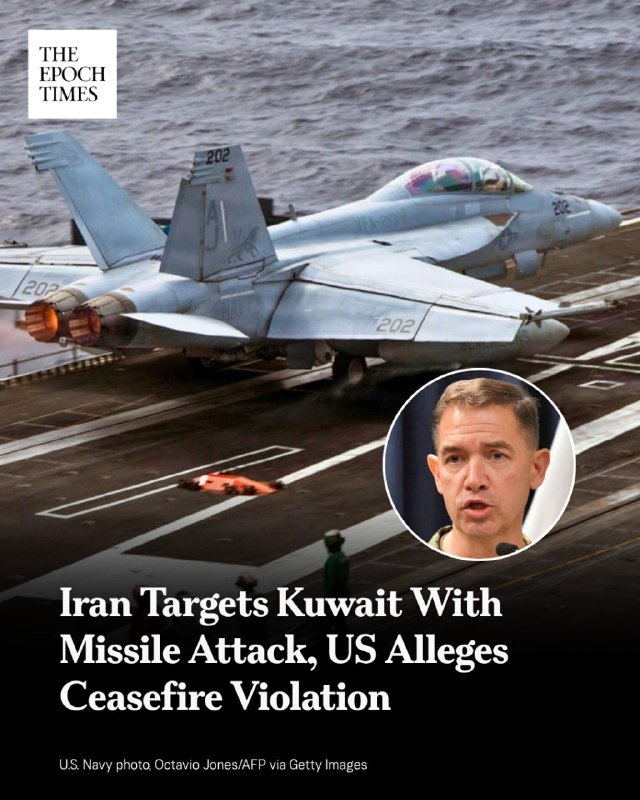
Early on the morning of 28 May 2026, the United States carried out what it described as defensive military strikes against Iranian positions in and around the port city of Bandar Abbas. The action came within hours of Iranian naval forces firing warning shots at vessels transiting the Persian Gulf, according to reporting by Deutsche Welle and Iranian state media. The US Central Command said its forces had shot down four Iranian drones and struck a command-and-control center in the port, framing the operations as necessary to preserve an existing ceasefire arrangement. Iranian state media reported explosions near the city and said four vessels had been forced to return after receiving warning fire from the Iranian Navy. No casualty figures were available at the time of publication.
The exchange marks one of the most significant military incidents between the two countries since the current ceasefire framework was established. The strikes in Bandar Abbas — Iran's principal maritime hub on the Persian Gulf — underline how fragile that arrangement remains and how quickly a localised naval incident can escalate into cross-border kinetic action.
What the US Says
US Central Command issued a statement on 28 May 2026 confirming the strikes. According to the DW reporting, the command said the actions were "defensive" and explicitly framed as measures taken to "maintain the ceasefire." The statement specified that US forces had intercepted four Iranian drones and struck a control center in Bandar Abbas. The language Washington chose is significant: rather than describing the operation as a new offensive action, the US positioned it as an enforcement mechanism within an existing framework. That framing — strikes described as ceasefire-maintenance rather than ceasefire-breaking — suggests careful legal and diplomatic calibration ahead of expected international reaction.
The Iranian Account
Iranian state media, including Tasnim News, offered a different characterisation of the preceding hours. Tasnim, citing military sources, reported that the Iranian Navy had fired warning shots at four vessels, forcing them to return. The agency described the naval action as occurring during what it termed "tonight's military events in Bandar Abbas" — language that positions Iranian forces as responding to an emerging threat rather than initiating one. Iranian state media also reported explosions near Bandar Abbas but provided no confirmed details on the targets or extent of damage. The divergence between the Iranian framing — warning shots against vessels, followed by external strikes — and the US framing — defensive strikes to maintain ceasefire — is substantial, and the sources available at time of publication did not resolve which action occurred first.
Ceasefire Under Pressure
The episode exposes a structural vulnerability in any ceasefire arrangement governing the Persian Gulf and surrounding waters: the difficulty of defining what constitutes a defensive response versus a provocation. Washington's position rests on the interception of drones and the striking of a command facility — actions it characterises as necessary to prevent the ceasefire from eroding through incremental Iranian pressure. Tehran's position, as conveyed through state media, frames its naval warnings as legitimate law-enforcement action against vessels in what Iran considers its maritime sphere. Neither side appears willing to describe its actions as inconsistent with the broader ceasefire; both appear to consider their actions compelled by the other's behaviour.
This dynamic — each party acting defensively in its own account, each acting offensively in the other's — is a documented feature of ceasefire breakdowns in contested maritime zones. The Bandar Abbas strikes did not occur in isolation. They followed a night of escalating signals: drone interceptions, naval warnings, and ultimately the decision by US forces to strike inside Iranian territory rather than simply defend allied vessels at range. The US chose escalation within the letter of its stated framework rather than de-escalation through non-action.
Who Wins, Who Loses
The immediate calculation differs depending on whether one prioritises military credibility or diplomatic space. For Washington, demonstrating that ceasefire commitments do not insulate Iranian military infrastructure from response serves as a deterrent signal to any faction in Tehran contemplating further probing actions. The strike on a command center rather than purely defensive drone-interception also signals a willingness to impose costs, not just absorb them. For Iran, the episode reinforces a narrative of external aggression: strikes on sovereign port infrastructure, even if framed as defensive, provide grist for domestic and regional messaging that the US cannot be relied upon as a ceasefire partner.
The ceasefire itself is the entity most at risk. If the arrangement cannot contain an exchange that begins with warning shots and ends with strikes on a port city command center, its scope for managing future incidents is materially reduced. Regional partners — including Gulf states with strong commercial ties to Bandar Abbas — face heightened uncertainty about the viability of maritime transit. The sources do not indicate whether any affected vessels were commercial or military, a gap that matters significantly for assessing the scope of the incident and the likelihood of further escalation.
What remains unclear is the trigger. The US account ties its strikes directly to the drone interceptions; the Iranian account emphasises naval enforcement against vessels. Whether these were separate incidents that happened to coincide in the same hours, or whether they represent a continuous chain of action and reaction, cannot be determined from the available sources. That ambiguity is itself significant: in ceasefire environments, ambiguity about causation is a precondition for further escalation.
Wire provenance
This editorial synthesis draws on the following public wire/social posts:
- https://t.me/tasnimnews_en/545621
- https://x.com/boweschay/status/1955839018204217754