US Strikes Iranian Military Site Near Bandar Abbas as Hormuz Tensions Resurface
American forces carried out airstrikes against an Iranian military installation near Bandar Abbas on the evening of 27 May 2026, according to three independent Telegram channels citing a senior US official speaking to Reuters. The strike targeted a site that Washington described as posing an imminent threat to US forces and commercial shipping transiting the Strait of Hormuz.
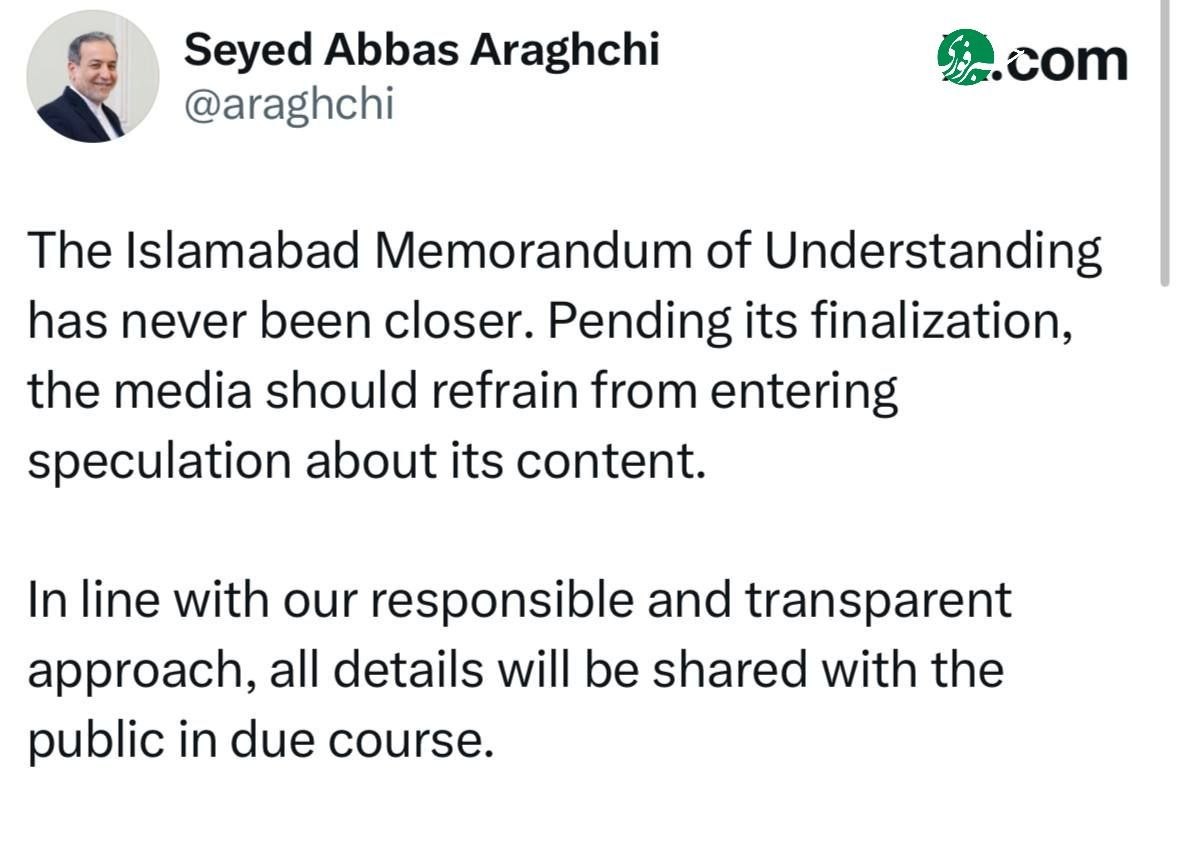
American forces carried out airstrikes against an Iranian military installation near Bandar Abbas on the evening of 27 May 2026, according to three independent Telegram channels citing a senior US official speaking to Reuters. The strike targeted a site that Washington described as posing an imminent threat to US forces and commercial shipping transiting the Strait of Hormuz.
The timing of the strikes is notable. Just hours earlier, financial markets had rallied on reports of progress toward a US-Iran nuclear agreement, with benchmark indices reaching record highs and oil prices falling to one-month lows on expectations that a detente would ease shipping concerns through the Persian Gulf. Bitcoin, which had been tracking broader risk-on sentiment, fell below the $75,000 mark as traders recalibrated for a scenario that now appears more complicated.
What the Strikes Targeted
According to Reuters, citing a US official who requested anonymity, the military site near Bandar Abbas was struck because it presented a direct threat to American personnel and commercial vessels navigating the Strait of Hormuz. Bandar Abbas, located on Iran's southern coast at the mouth of the Persian Gulf, hosts a major naval base operated by the Islamic Revolutionary Guard Corps. The IRGC Navy had earlier on 27 May stated that vessels from "hostile countries" remained barred from transiting the Strait of Hormuz, according to Tasnim News, the semi-official Iranian news agency.
An informed military source told Tasnim that an American oil tanker had attempted to pass through the Strait of Hormuz hours before the strikes by turning off its transponder — a common evasion tactic used when vessels believe they may be targeted. It remains unclear whether the tanker successfully transited the waterway.
OSINT Defender, a verified open-source intelligence aggregator, confirmed the strike targeting a military installation in southern Iran near Bandar Abbas, describing it as targeting a site that posed a threat to American forces and commercial traffic. The strike was carried out on the evening of 27 May 2026, UTC.
Peace Deal Context and Competing Signals
The strikes complicate a narrative that had been building for days. Reports of indirect nuclear talks between Washington and Tehran had buoyed markets expecting a potential diplomatic breakthrough. Cointelegraph reported on 27 May that Bitcoin and US equities had moved in tandem as investors priced in reduced geopolitical risk, with oil slipping on hopes that reduced tension in the Gulf would ease a key supply-risk premium.
That framing now requires qualification. The US official who spoke to Reuters framed the strike as defensive in nature — eliminating an imminent threat rather than initiating a broader campaign. But the IRGC's earlier declaration that "hostile country" vessels would be denied passage suggests that the Iranian side viewed American naval activity in the Gulf as itself the provocation.
The discrepancy between diplomatic signals and military action on the ground points to a familiar pattern in US-Iran relations: parallel tracks of engagement and confrontation that rarely move in sync. Axios has previously reported on the difficulty of maintaining back-channel negotiations when incidents on the ground trigger escalatory responses. The sources reviewed for this article do not confirm whether the strike was coordinated with or notified to diplomatic officials involved in the peace process.
Strategic Fragility: Stockpiles and Reach
A separate but related concern surfaced on 27 May, when the Associated Press reported that the United States would require years to replenish stockpiles of precision-guided munitions and other key weapons systems expended during operations against Iran. The AP analysis, shared via the Unusual Whales financial intelligence feed, noted that the drawdown raises questions about American firepower availability in any concurrent conflict — a consideration that extends well beyond the Hormuz theatre.
The Strait of Hormuz is the world's most critical oil chokepoint, handling roughly one-fifth of global crude shipments. Any prolonged disruption carries outsized implications for global energy markets — a vulnerability both sides have historically understood. Iran's nuclear programme and its conventional military posture in the Gulf have long constituted the two pillars of its deterrence strategy. The strikes on 27 May targeted the conventional pillar directly.
What remains less clear is whether the strike was surgical or the opening move in a broader campaign. The sources do not indicate the scale of the target or whether secondary Iranian military assets were placed on alert. The IRGC Navy's statement barring hostile-country vessels from the Strait suggests heightened alert status, but the practical ability to enforce such a blockade depends on assets that may or may not survive further strikes.
What Happens Next
The immediate risk is an Iranian response that tests American resolve in the Gulf without crossing a threshold that would force wider confrontation. Iranian state media will frame the strike as an act of aggression; Western officials will frame it as proportionate self-defence. Both framings serve domestic constituencies rather than objective description.
For global markets, the episode is a reminder that geopolitical risk premia do not compress linearly with diplomatic signals — they are volatile, reversible, and highly sensitive to physical events on the ground. Oil traders who had reduced risk exposure on peace-deal optimism will need to rebuild hedging positions. Bitcoin's decline below $75,000 reflects this recalibration in real time.
The deeper question is whether the strike reflects a deliberate policy decision or an operational response to a specific threat that may have surprised civilian decision-makers. The gap between diplomatic engagement and military action suggests either poor coordination or a calculated dual-track approach in which force and negotiation advance simultaneously. Neither interpretation is flattering to the coherence of American Iran policy.
This publication's coverage prioritised Western wire reporting and US official accounts. Iranian state media framing appears in secondary context where corroborated by independent Telegram reporting.
Wire provenance
This editorial synthesis draws on the following public wire/social posts:
- https://t.me/DDGeopolitics/20260527
- https://t.me/rnintel/20260527
- https://t.me/osintlive/20260527
- https://t.me/GeoPWatch/20260527
- https://t.me/tasnimnews_en/20260528
- https://x.com/unusual_whales/status/19523456