Iran Denies Finalising US Memorandum of Understanding, Contradicting Western Media Reports
Iranian state media reported on 29 May 2026 that no memorandum of understanding with the United States has been finalised, hours after Western outlets published what they described as details of a draft agreement between the two sides.
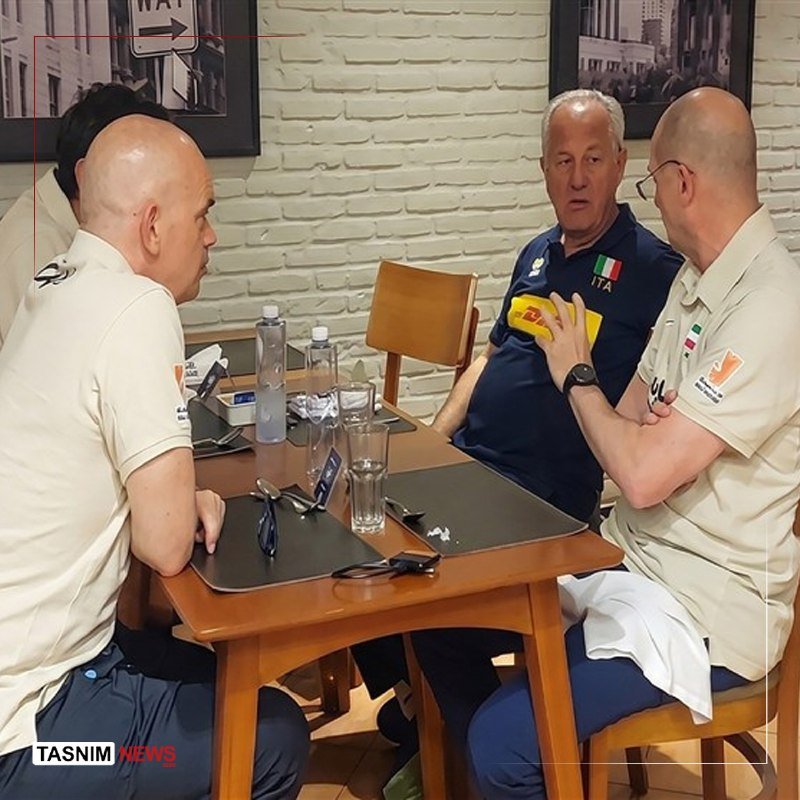
Iranian officials pushed back on 29 May 2026 against Western media reports that a memorandum of understanding between Tehran and Washington had been agreed, with state-affiliated Tasnim News Agency citing sources familiar with the negotiations to deny that any text had been finalised.
The denial came hours after outlets, including reporting attributed toAxios correspondent Barak Ravid, published what they characterised as details of a draft MoU between the United States and Iran — a development that would represent a significant development in the long-stalled nuclear talks between the two governments. Within hours, Iranian officials moved to complicate that narrative.
The episode underscores the fragility of back-channel nuclear diplomacy and the way competing leaks can produce radically different pictures of where negotiations stand.
What Western Outlets Reported
According to the Telegram thread cited by multiple open-source monitoring accounts on 29 May, several Western outlets published what they described as the full or substantially complete text of a proposed MoU between Iran and the United States. The reporting, if accurate, would have marked a departure from the years of deadlock that have defined the relationship since the United States withdrew from the Joint Comprehensive Plan of Action in 2018.
The specifics of the draft text were not independently corroborated by Monexus from the thread context alone, which contained no direct links to the Western reporting. The wire reports, as described through open-source aggregation channels, suggested the document addressed uranium enrichment limits, sanctions relief, and International Atomic Energy Agency monitoring protocols — the core subjects around which every previous negotiating round has revolved.
The Iranian Denial
Within hours of the Western reports surfacing, Tasnim News Agency — an Iranian semi-state outlet with close ties to the Islamic Revolutionary Guard Corps — published a denial. A source described as familiar with the negotiations told Tasnim that reports published by some Western media outlets claiming to reveal details of a final agreement were inaccurate and that no memorandum of understanding had been finalised.
Open Source Intel, which monitors Iranian state media output, flagged the Tasnim report to its audience on 29 May at 12:52 UTC, noting that the agency claimed texts published by Western media were inaccurate.
The swiftness of the Iranian response suggested either that the denial was pre-planned or that the Western reporting had caught Tehran off-guard. Neither explanation is flattering to the other side's diplomatic process.
Disinformation, Ambiguity, or Negotiating Tactics
The most straightforward reading is that Western outlets jumped the gun on a document that remained under discussion. Diplomatic negotiations routinely produce near-final texts that later collapse or are modified. A single day can swing a deal from imminent to dead.
But there is a second possibility: that one or both sides used the media to test domestic and international reactions before formally committing. Governments with entrenched hardline domestic constituencies — both in Tehran and in Washington — sometimes find it useful to let the press carry the political risk of a preliminary agreement before signing anything in ink.
A third interpretation, which Iranian state media appeared to be pushing, is that the Western reporting was materially wrong — not merely premature but factually inaccurate in its description of what Tehran had agreed to. Whether that claim is itself credible is a separate question. Iranian state media has a documented record of strategic ambiguity when it comes to nuclear negotiations.
What This Means for the Nuclear Talks
The episode arrives at a moment when several European and Gulf-state intermediaries have been actively working to broker a resumption of direct talks. The United States has maintained a policy of maximum pressure through sanctions while indicating, in recent months, a willingness to accept a verifiable agreement that falls short of full JCPOA restoration.
Iran, for its part, has enriched uranium to levels far beyond what the original JCPOA permitted and has restricted IAEA access to its facilities. Any agreement that does not address these developments will face scepticism from the International Atomic Energy Agency and from the US Congress, where any sanctions relief requires 60 Senate votes — a high bar under any political scenario.
What the 29 May episode demonstrates is that even if talks are genuinely advancing, the communications environment around them remains deeply adversarial. Both governments have strong incentives to manage expectations, control narratives, and avoid being seen as the side that blinked first.
The sources consulted for this article do not resolve whether a deal is near or whether the Western reporting was simply wrong. What they establish is that two parallel realities now coexist: one in which an agreement has been broadly agreed, and another in which negotiations remain unfinished. Diplomatic history suggests the second reality is closer to the truth — but it also suggests that situations described as dead can revive with little warning.
This publication compared Western wire summaries of the MoU reports against the Iranian state-media denial. Given that no primary-source text of the alleged agreement was available in the source material reviewed, this article proceeded on the basis of the denial and the surrounding context rather than the disputed reporting.
Wire provenance
This editorial synthesis draws on the following public wire/social posts:
- https://t.me/osintlive/4821
- https://t.me/thecradlemedia/3241
- https://t.me/wfwitness/1183
- https://t.me/GeoPWatch/991