Iran Leverages Strait of Hormuz as US Nuclear Talks Enter Critical Phase
As US-Iran negotiations reach a fragile juncture, Tehran is using its position over the world's most critical oil chokepoint to press demands — while a shootdown of a US aircraft and strikes on American vessels have raised the spectre of outright conflict.
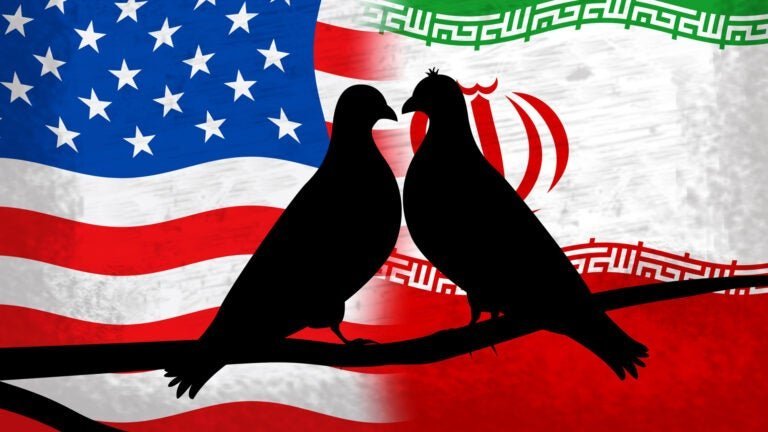
The Strait of Hormuz is the pinch-point through which roughly a fifth of the world's oil flows. On 29 May 2026, it became the fulcrum of the most acute US-Iran confrontation in years.
According to an Iranian official cited in reporting by 29 May, Tehran is explicitly treating the strait's traffic management as leverage in ongoing talks with Washington. That same day, a US aircraft was shot down over Iranian territory, and strikes were reported against American ships navigating the strait's waters — incidents the US forces confirmed within hours of each other, per sources covering the escalation in real time.
The immediate trigger is the collapse of a proposed ceasefire framework that Washington had put forward, contingent on Iranian nuclear commitments. US officials warned Tehran publicly that rejection of the deal carried the risk of American military action. Iranian state-adjacent commentary, meanwhile, countered that missile capabilities — not diplomatic concessions — constitute the republic's real negotiating currency.
The strait as negotiating table
The Strait of Hormuz sits between Oman and Iran, a 21-mile-wide channel that funnels tankers carrying crude from the Persian Gulf to global markets. Whoever controls its approaches controls a significant slice of the world's energy supply. That geological fact has always given Iran structural leverage in any confrontation with Washington — and on 29 May, Tehran deployed it explicitly.
Sources cited by 29 May reporting confirm that Iranian authorities have taken active steps to manage traffic through the strait, disrupting normal commercial shipping. Iranian state media framed this as a calibrated response; US forces simultaneously announced they had redirected 115 vessels in an effort to maintain the flow of oil commerce while enforcing a tightened blockade posture against Iranian-flagged vessels.
The juxtaposition is revealing: Tehran is not blockading the strait outright — that would invite immediate military retaliation and destroy any remaining diplomatic cover — but it is applying enough pressure to make the status quo uncomfortable for oil markets. The intent, according to Iranian official commentary, is to demonstrate that the strait's function is not secure under current arrangements, and that Washington has more to lose from a rupture than Tehran does.
Military flashpoints
The shootdown of a US aircraft over Iranian territory on 29 May represents a qualitative escalation beyond the naval pressure campaign. Military sources tracking the incident confirmed the aircraft was brought down by Iranian air defence assets — the first such incident in the current cycle of confrontation. Separately, multiple strikes were reported against American vessels operating in or near the strait, per sources covering the naval developments.
Neither side has issued a formal casualty assessment as of publication. US Central Command confirmed both the shootdown and the vessel strikes within hours, framing them as unprovoked attacks on American forces operating lawfully in international waters. Tehran's position, carried in Iranian state media, characterises US naval presence in the gulf as an act of blockade enforcement that itself constitutes provocation.
The timing is not coincidental. These military incidents coincide with the collapse of provisional ceasefire talks — talks that, according to sources on 29 May, had shown enough progress to briefly lift oil prices on reopening hopes before the latest escalation reversed that sentiment. The progression suggests that both sides are using the strait's military geography to communicate resolve simultaneously with diplomatic pressure.
Oil market anatomy of a chokepoint crisis
Energy analysts tracking the Strait of Hormuz situation on 29 May noted price scenarios ranging from $160 per barrel in the event of significant disruption to more modest moves as ceasefire hopes ebbed and flowed. The $160 figure, reported across financial wires, assumes a partial or temporary blockade of the strait lasting several weeks — a scenario that Iran has not yet enacted but whose threat value is evidently what Tehran wishes to preserve.
The market's sensitivity reflects the strait's irreplaceable role in global supply chains. Alternative routes exist — pipelines through Saudi Arabia, the East-West pipeline across Jordan to the Red Sea — but collectively they absorb only a fraction of the volumes that transit the Hormuz corridor. A sustained disruption would push crude prices into territory that most major importing economies would find politically untenable.
Asian markets provided a partial counter-signal on 29 May, with Japanese and South Korean indices hitting new historical highs in early trading. Sources cite deal anticipation as the proximate driver — markets are pricing the possibility that a US-Iran nuclear deal, if struck, removes a significant geopolitical risk premium from Asia's energy import bill. South Korean firms with heavy Gulf exposure — conglomerates running petrochemical and shipping operations tied to Persian Gulf crude — are particularly sensitised to Hormuz dynamics.
The nuclear dimension
Any accounting of what Iran is bringing to the negotiating table must include the nuclear programme. On 29 May, sources reported that Iran had enriched approximately 970 pounds of uranium — material that, at the higher enrichment levels Iran has pursued, moves the country closer to weapons-grade thresholds. This is not a new development, but its proximity to the current diplomatic moment gives the enrichment programme a leverage dimension that is inseparable from the strait question.
Iranian officials, when discussing the talks publicly, have stressed missile capabilities rather than nuclear concessions. The framing suggests Tehran is signalling it will not trade its most visible deterrent for sanctions relief alone — a position that complicates the US negotiating posture, which has sought a packages linking nuclear constraints to economic sanctions relief.
What remains uncertain
The sources tracking the strait situation on 29 May do not agree on the likelihood of further military escalation. US officials cited in various reports have delivered warnings couched in explicit threat language; Iranian state media has countered with its own bellicose framing. Neither side has issued a formal statement pulling back from current positions.
The ceasefire framework Washington proposed has been rejected by Tehran, per sources reporting on 29 May — but the nature of the rejection, and whether it leaves any residual diplomatic channel open, remains contested across the available reporting. Casualty figures from the shootdown and ship strikes have not been independently verified.
Oil market sentiment is volatile. The reversal from price gains on ceasefire hopes to price pressure following the aircraft shootdown and strikes reflects a market still calculating which scenario is more probable. That calculation will depend heavily on events in the coming 48 to 72 hours — and on whether the diplomatic channel narrows to zero.
The desk found that wire coverage of the Hormuz confrontation has been largely absorbed by the framing of "Iranian provocation" in US-centric reporting. Monexus notes that this framing elides the structural logic Tehran is applying — the deliberate positioning of a critical chokepoint as negotiating leverage is a tactic with clear precedent in great-power confrontations, and one that proceeds as much from defensive calculation as from aggression. The nuclear enrichment dimension, which carries its own long escalatory history in this relationship, has received comparatively less column ink than the immediate military flashpoints — a pattern of coverage that risks obscuring the more durable threat.
Wire provenance
This editorial synthesis draws on the following public wire/social posts:
- https://t.me/CryptoBriefing/13245
- https://t.me/CryptoBriefing/13240
- https://t.me/CryptoBriefing/13238
- https://t.me/CryptoBriefing/13237
- https://t.me/CryptoBriefing/13234
- https://t.me/CryptoBriefing/13233
- https://t.me/CryptoBriefing/13242
- https://t.me/CryptoBriefing/13241
- https://t.me/CryptoBriefing/13239
- https://t.me/CryptoBriefing/13235
- https://t.me/NikkeiAsia/28101
- https://t.me/CryptoBriefing/13236