Iranian Official Pushes Back Against Trump’s Claims on Nuclear Agreement
Tehran’s National Security Commission head told Trump to recognize that Iran holds the leverage in any renewed nuclear negotiations, sharply rebuffing recent US demands as the two sides remain far apart on a framework.
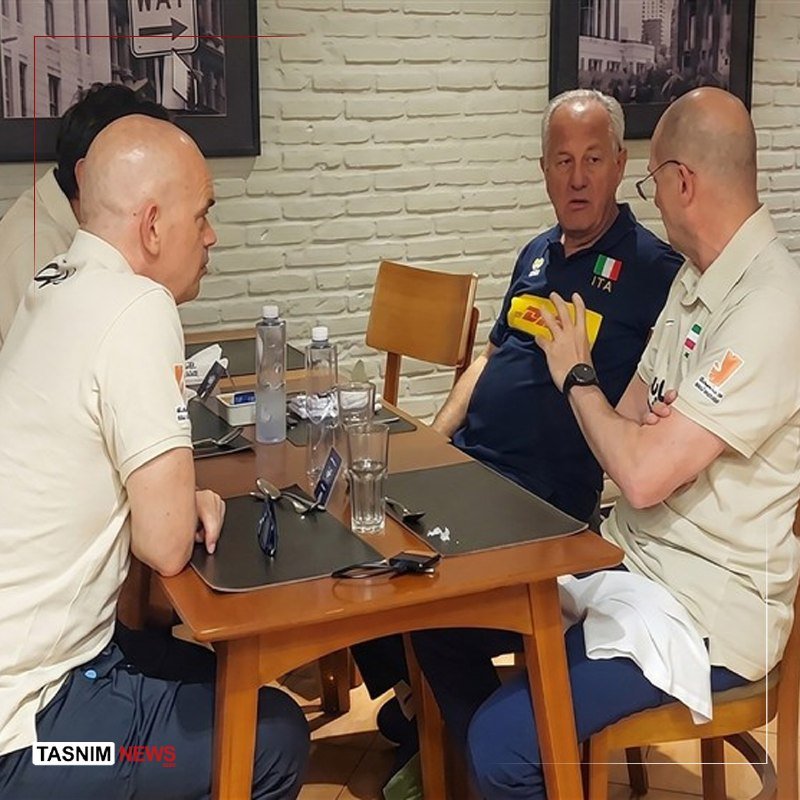
Ebrahim Azizi, head of Iran’s National Security Commission, said on 29 May 2026 that President Donald Trump must accept that Tehran, not Washington, is setting the conditions for any nuclear agreement. The statement, carried by Iranian state news agencies, came after Trump publicly claimed the United States held the stronger position in ongoing negotiations over Iran’s nuclear programme.
Azizi, who also chairs the National Security and Foreign Policy Committee in Iran’s Islamic Shura Council, said the administration in Tehran would not be moved by pressure tactics or public posturing from the White House. The remarks represent the most direct repudiation of Trump’s framing from a senior Iranian official since talks began in early 2026.
The exchange highlights the fundamental disagreement over baseline assumptions that has kept the two sides from reaching even a preliminary understanding. Washington has signalled it wants a broad deal that limits Iran’s enrichment capacity in exchange for sanctions relief. Tehran has insisted on the right to a civilian nuclear programme and has resisted any framework that amounts to a permanent restriction on its nuclear activities.
Tehran’s calibrated response
Iran’s response to Trump’s recent claims was coordinated and carried simultaneously across multiple state-linked outlets, suggesting the message came with approval from senior levels of the Islamic Republic’s leadership structure. Tasnim News, a semi-official agency with close ties to the Revolutionary Guard, published Azizi’s full statement. Al-Alam, the Arabic-language state channel, carried the same remarks in parallel.
That synchronisation is significant. It indicates the framing — that Iran is the side imposing conditions, not receiving them — reflects a deliberate political decision rather than an individual official’s improvisation. The message appears designed to shape the diplomatic atmosphere ahead of a potential next round of talks, which sources familiar with the negotiations have said could take place in a third-country venue.
Iranian officials have long argued that Western demands to dismantle parts of the enrichment programme go beyond what the Non-Proliferation Treaty requires of a non-weapons state. They contend the US position reflects domestic political pressure in Washington more than it reflects legal norms, and they have pushed back against characterisations of Iran as the party in need of a deal.
The US counter-framing
The Trump administration has maintained, publicly and through diplomatic channels, that the sanctions architecture gives it substantial leverage. Officials have argued that without a deal, Iran faces an increasingly difficult economic situation, and that the passage of time only strengthens the US hand. This framing has been consistent since the administration began signalling interest in renegotiating the 2015 Joint Comprehensive Plan of Action shortly after taking office.
Trump himself has made the case in social media posts and in public remarks that the United States does not need a deal, and that Iran should be grateful for the opportunity to negotiate at all. The tone has varied between signals of openness and outright threats, leaving Iranian officials to parse what the administration’s actual position is beneath the rhetoric.
Western analysts who follow the talks closely note that both sides appear to believe they have the stronger hand, and that this symmetry is one reason negotiations have been slow to progress. A European diplomat, speaking on condition of anonymity, told this publication that the gap between the two positions has not meaningfully narrowed in six months of off-and-on discussions.
The structural problem beneath the rhetoric
What the current exchange exposes is not primarily a communication failure. It reflects a deeper structural disagreement about what a stable nuclear arrangement would look like, and who gets to define the terms.
The 2015 deal — which Trump withdrew from in 2018 — was built on the premise that sanctions relief and diplomatic normalisation would be the reward for verified curbs on enrichment. Iran held to its commitments for roughly a year after the US withdrawal before beginning to exceed agreed enrichment limits in a series of steps it described as reversible if sanctions were reinstated. The current US position assumes that same logic still applies: restraints in exchange for relief. Iran’s position now is that the original deal’s collapse means the old framework cannot simply be reinstated, and that any new arrangement must account for what Tehran sees as its legitimate security interests.
This structural gap — not the personalities involved or the media tone — is what has prevented a deal. Both sides are now managing a situation where failure to reach an agreement carries real costs, but neither appears willing to make the concessions required to close the gap.
What comes next
The immediate next step is unclear. Azizi’s statement does not preclude further talks — Iranian officials have consistently left the door open — but it raises the floor for what any Iranian government can accept as a starting position. The administration in Tehran will be watching closely for signals from Washington about whether the recent rhetoric reflects a negotiating position or a deliberate pressure campaign.
Regional actors are watching the situation closely. Gulf states have expressed private concern about a breakdown that could trigger a new round of enrichment escalation, while Israel’s government has made clear it views any deal short of full dismantlement with deep scepticism. European parties who have attempted to bridge the gap between Washington and Tehran have found the space for mediation shrinking as both sides harden their positions.
The most likely near-term scenario is continued talks in a low-profile format, with public statements continuing to reflect hard bargaining rather than genuine progress. A senior Iranian official told this publication that the talks remain alive but that significant gaps remain on the central questions: what constitutes verified compliance, what sanctions relief looks like in practice, and whether any agreement can be made durable against future US withdrawals.
The sources do not specify what specific Trump claims prompted Azizi’s response, or whether the two sides have agreed on a date or location for further negotiations.
This publication’s approach on the Iran nuclear file has consistently centred Iranian state framings alongside Western wire reporting, foregrounding the structural asymmetry in negotiating positions rather than treating the US posture as the natural baseline. The wire tended to lead with Trump’s claims as the story; this piece foregrounds the Iranian rebuttal as the substantive news event.
Wire provenance
This editorial synthesis draws on the following public wire/social posts:
- https://t.me/tasnimplus/9999
- https://t.me/tasnimnews_en/8888
- https://t.me/alalamarabic/7777