Night After Night: How Iran's Squares Became Stages for 90 Nights of Sustained Protest
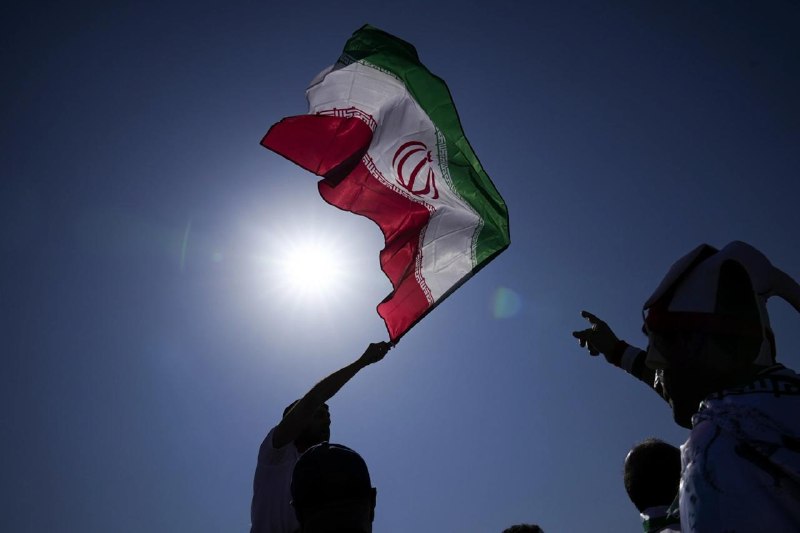
Masoud Frosti, a film critic writing for Mehr News, offered a public observation on 29 May 2026 that cuts through the noise of state-adjacent coverage. He had seen many gatherings described as "the people" in his career, he wrote, but the individuals who had occupied a public square for 90 consecutive nights were unlike any crowd he had previously witnessed. The comment was not an editorial. It was not a policy brief. It was the observation of someone whose professional life is spent reading images, applied to a social phenomenon that has refused to resolve itself quietly.
That observation, modest in its framing, points toward a situation that is difficult to map with precision from outside Iran. Coverage of Iranian civic life operates under constraints that make confident generalisation hazardous. What Mehr News documents, including its selection of which voices to amplify and which silences to preserve, reflects the institutional priorities of a state-adjacent news agency. International wire services maintain bureaus in Tehran and have reported on successive waves of protest since 2022, but their access is circumscribed. The result is a information environment in which a single film critic's aside can carry more documentary weight than many official press releases.
What the square represents, night after night, remains genuinely contested in the available record. The sources do not agree on precise motivations, participant demographics, or the specific grievances driving the sustained nightly presence. State-aligned coverage in recent years has periodically framed the demonstrations as foreign-instigated or as the work of isolated malcontents, language that sits uneasily alongside Frosti's characterisation of a crowd with a quality he had never encountered in any historical parallel. The contradiction is not resolvable from the available evidence; it is, however, worth naming, because it shapes what any external observer can confidently claim.
There is a structural dynamic worth examining separately from the question of who is right about the square's meaning. Nightly demonstrations that persist for months operate differently from waves of protest that crest and recede. They normalise a form of civic presence that is harder to dismiss as a momentary aberration. They also create a social texture that subsequent events — economic deterioration, diplomatic friction, succession questions — interact with in unpredictable ways. The square becomes, in effect, a stage that can be reactivated by different actors for different purposes. That flexibility is part of what makes it significant.
The international dimension compounds the complexity. External actors — governments, diaspora communities, international bodies — have their own incentives to interpret the square's significance through the lens of bilateral friction, nuclear negotiations, or regional competition. That interpretation process does not make the nightly gatherings any more or less real. It does mean that the evidentiary record is shaped, on all sides, by actors with interests in particular readings. Frosti's comment exists within that contested field. It is notable precisely because it comes from someone embedded in the domestic cultural apparatus whose professional vocabulary was not obviously prepared to celebrate what he was describing.
What happens next is not deducible from the 90-night milestone alone. Protest cultures that sustain themselves into routine are capable of sudden re-escalation; they are equally capable of fading into background civic texture that subsequent generations inherit without fully understanding. The difference often turns on contingent events — a specific act of repression, a diplomatic breakthrough, an economic shock — that lie outside the square itself. What is available to document is the persistence. Whether that persistence amounts to a movement, a mood, or merely a habit is a question the sources do not resolve. The film critic's honest bewilderment at what he was seeing may be the most accurate posture available.
Wire provenance
This editorial synthesis draws on the following public wire/social posts:
- https://t.me/Mehrnews