Russian Drone Strikes Vanuatu-Flagged Cargo Ship in Black Sea, Ukrainian Navy Contain Blaze
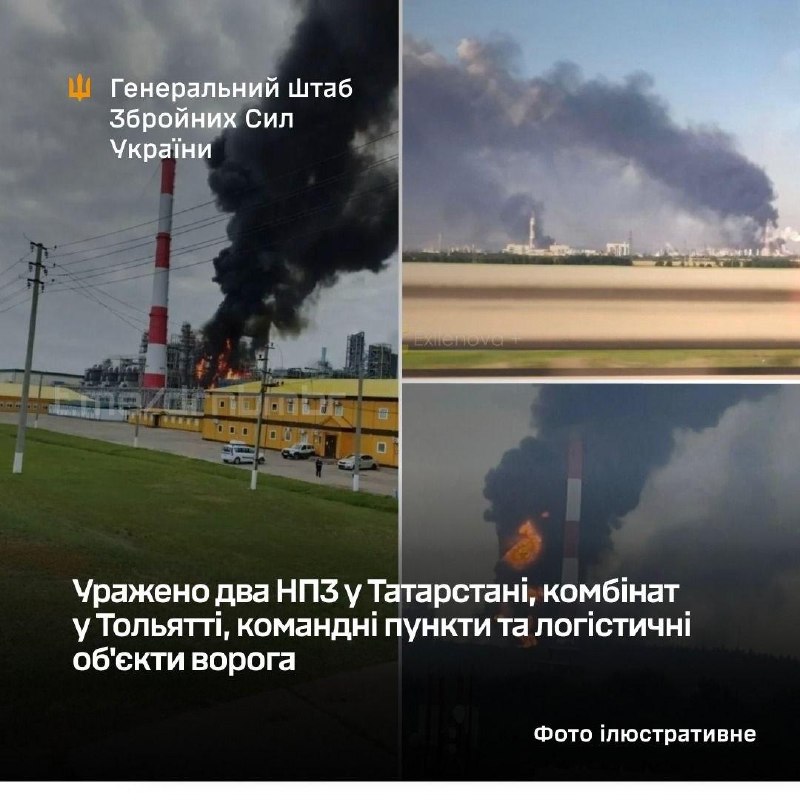
A Russian drone struck the cargo ship ANT, registered under the flag of Vanuatu, in the Black Sea on 29 May 2026, according to a military briefing published by Hromadske. The attack ignited a fire aboard the vessel, which Ukrainian Naval Forces subsequently contained. The ship was carrying cargo from one of several Ukrainian Black Sea ports, though the precise cargo composition and the specific location of the strike were not detailed in the initial reporting.
The incident marks one of the more unusual entries in a conflict that has repeatedly tested the boundaries of international maritime law. Vanuatu, a Pacific island nation of approximately 320,000 people, maintains one of the world's smaller open registries — a flag-of-convenience arrangement that allows foreign-owned vessels to register under Vanuatu's maritime administration in exchange for fees. Such arrangements are common globally and are not inherently connected to political allegiance. They do, however, expose a nation's flagged fleet to exactly the kind of kinetic exposure that unfolded on 29 May.
The Strike in Context
The Black Sea has been a primary theatre of maritime escalation since Russia's full-scale invasion of Ukraine in February 2022. Russia's naval forces have systematically targeted Ukrainian port infrastructure, grain export corridors, and civilian shipping perceived as supporting Kyiv's logistics chain. Ukrainian naval and drone forces have reciprocated, striking Russian naval assets in contested waters. The result is a conflict zone where the traditional separation between military and commercial targets has become a live legal and diplomatic question.
What is known about the ANT strike is narrow: a drone-launched weapon — consistent with the class of Iranian-designed unmanned systems Russia has employed extensively — struck the vessel's hull or superstructure, generating a fire that required active military intervention to suppress. That Ukrainian Naval Forces were in position to respond indicates the vessel either remained within or proximate to Ukrainian-controlled maritime corridors or was in range of coast-defence assets. The sources do not specify whether the ship was in neutral waters at the time of impact.
A Pacific Flag State in a European War
Vanuatu's maritime register is modest by global standards, numbering several hundred vessels at most. It serves owners seeking reduced administrative burden and, in some cases, lower crew-cost obligations than flag states with stronger labour-rights enforcement. For the owners of the ANT, the Vanuatu flag offered a low-friction administrative home. What it did not offer was protection from the operational realities of a declared war zone.
The incident raises a structural question that Pacific island governments have largely avoided confronting: what does flag-state responsibility mean when the ships carrying your national designation are destroyed or crewed by nationals of other countries in conflicts that bear no relationship to the Pacific? Vanuatu's foreign policy has historically maintained broad non-alignment, and there is no indication the government in Port Vila endorsed, supported, or was even aware of the ANT's voyage into the Black Sea corridor. Yet the flag flies, and with it comes a share of the incident's diplomatic fallout.
The sources do not indicate that Vanuatu's government has issued any statement regarding the strike as of publication. No casualties aboard the ANT have been reported.
The Legal Dimension
International humanitarian law is unambiguous on the question of attacks against civilian shipping: vessels not directly participating in hostilities are protected, and targeting them constitutes a violation of the laws of armed conflict. Russia is party to relevant treaties governing maritime conduct, though its application of those norms throughout the current conflict has been contested by Ukraine and its Western allies before international tribunals.
The ANT's cargo — described only as originating from a Ukrainian port — complicates the legal picture in ways the available sources do not resolve. If the vessel was carrying grain or foodstuffs as part of the Black Sea Grain Initiative's successor arrangements, that would ground it firmly in civilian commerce and reinforce the case for protection. If the cargo had a dual-use character, Russia would likely argue the vessel was not entirely non-combatant — though such arguments have been widely challenged given the low evidentiary bar some state actors apply to designate civilian infrastructure as military targets.
Stakes and Forward View
The broader trajectory is one of continued erosion of safe commercial passage through the Black Sea. Lloyd's of London and other marine insurers have already recalibrated risk assessments for the corridor, pushing hull and war-risk premiums upward in ways that have diverted some cargo to costlier overland routes. A strike on a flagged vessel — even one that did not result in total loss — reinforces the case for those higher premiums and for shipowners to avoid the theatre entirely.
For Vanuatu, the practical stakes involve the attractiveness of its registry. Maritime insurance underwriters and shipping companies track flag-state incident histories. A small island nation with a vessel caught in an active conflict does not automatically lose registry business, but it introduces a reputational dimension that its administration will need to manage. The sources do not indicate any immediate commercial impact on Vanuatu's maritime sector.
What remains unresolved is the strategic logic of the strike itself. Whether the ANT was targeted deliberately, misidentified, or struck incidentally while operating in a broader zone of naval activity is not established in the available reporting. The sources contain no confirmation of Russian Ministry of Defence statements on the incident. For an international maritime community that has watched the Black Sea corridor become increasingly hazardous since 2022, the uncertainty is itself a signal: the threat environment is not contracting.
Monexus framed this story through the Vanuatu flag-state angle, a perspective largely absent from the wire reporting, which focused on the attack's implications for Black Sea grain transit and Ukrainian maritime logistics rather than on what it means for a small Pacific maritime registry to have a vessel caught in a European conflict.
Wire provenance
This editorial synthesis draws on the following public wire/social posts:
- https://t.me/hromadske_ua/8924
- https://en.wikipedia.org/wiki/Maritime_law
- https://en.wikipedia.org/wiki/Flag_of_convenience