Russian Strike Preparation: What Kyiv's Warning Reveals About the Current Threat Landscape
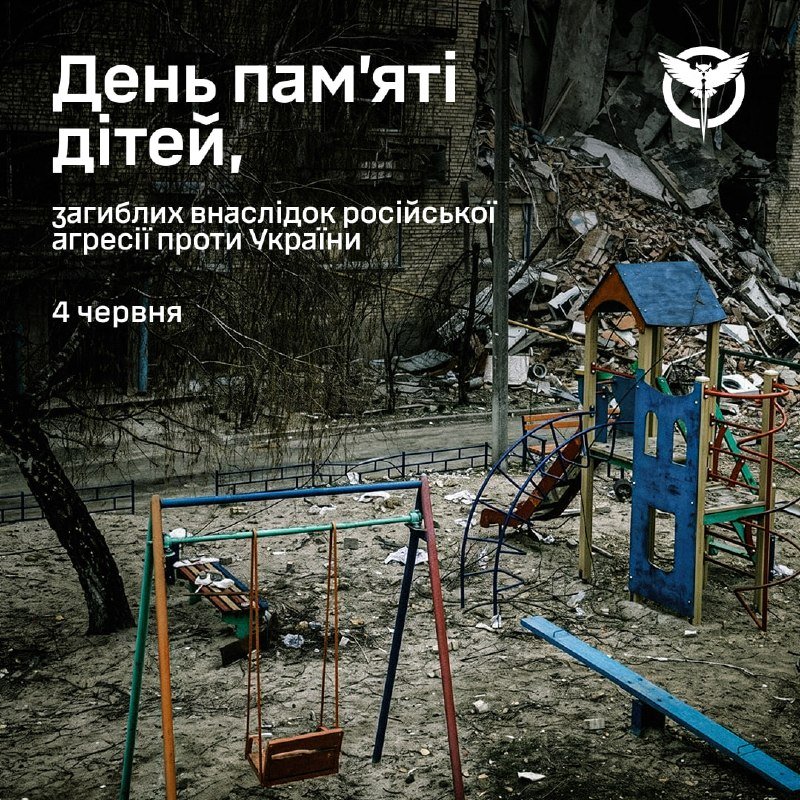
President Volodymyr Zelensky told German Chancellor Friedrich Merz on 29 May 2026 that Ukrainian intelligence had detected preparations for a new large-scale Russian strike against Ukrainian cities and communities. The warning, reported across multiple Ukrainian and international wire services, marks the third time in six months that Kyiv has publicly flagged imminent Russian bomber-wave activity based on signals intercepts and satellite imagery.
The disclosure compounds an already acute pressure point for Ukrainian air defences, which have been stretched by sustained glide-bomb raids across the eastern front and a series of Shahed drone strikes targeting electrical infrastructure in the south. Western military analysts tracking the conflict note that Russian strike campaigns have followed a discernible pattern over the past eighteen months: preparatory intelligence chatter spikes two to three weeks before a wave of strikes, followed by a window of reduced activity, then a concentrated assault timed to coincide with diplomatic events or battlefield developments that Moscow appears eager to overshadow.
What the Warning Contains
The substance of Zelensky's communication to Merz, as reported by Kyiv Post on 29 May, centres on specific indicators of Russian aerospace planning activity — a phrase intelligence analysts use to describe the logistical and operational signatures that precede large-format air campaigns. Kyiv has in past cycles shared some of this intelligence with partner governments under classified channels; the public disclosure on this occasion suggests either that the threat timeline has compressed or that Ukrainian officials are seeking to generate a visible Western political response as part of deterrence signalling.
WarTranslatedUkraine, a channel that aggregates Ukrainian military and intelligence community communications for an English-speaking audience, confirmed on the same date that the intelligence indicating a new strike was logged. The channel's reporting has tracked successive Russian bomber task-force rotations through bases in southern Russia and occupied Crimea throughout 2025 and into 2026, noting that the intervals between major strike waves have shortened as Russia's strike aviation has become more integrated with ground-based targeting networks.
German government officials have not commented publicly on the specific intelligence content of the Merkel call, though a readout from the Chancellery described the conversation as covering "the current security situation and continued support for Ukraine." Berlin has accelerated Patriot battery deliveries to Kyiv over the past four months, and the Merz government has signalled that it regards Ukrainian air-space defence as a Nato-adjacent rather than purely bilateral concern.
The Pattern Behind the Warning
Russian strike campaigns against Ukrainian cities have included some of the conflict's most destructive episodes since the full-scale invasion began in February 2022. The winter 2022–23 bombardment of electrical infrastructure left millions without heating and power for weeks. The spring 2024 wave of guided bombs against Kharkiv's residential districts caused mass casualties and forced temporary evacuations from outlying neighbourhoods. The October 2025 strikes on energy facilities in the Dnipro and Kharkiv oblasts coincided with a period when Ukrainian air-defence ammunition stocks were running critically low following a US aid delay, and analysts noted that Moscow appeared to time the campaign to exploit the supply gap.
Independent military analysts tracking Russian aerospace activity through open-source intelligence have documented a consistent pattern of task-force staging in the weeks before major strike events. This reporting, corroborated across multiple independent monitoring groups, shows Tu-95 and Tu-22M3 strategic bombers being repositioned to airfields in Russia's southern aerospace region — a staging area from which they can reach Ukrainian territory within a flight window of under two hours once launch orders are issued.
Russia has not publicly acknowledged a policy of targeting civilian infrastructure, maintaining instead that its strikes are directed at military and energy logistics targets. The Kremlin's public framing of such attacks has varied: sometimes described as responses to Ukrainian operations inside Russian territory, sometimes as retaliation for strikes on energy infrastructure elsewhere. On each occasion, independent damage assessments have documented strikes on residential buildings, hospitals, and educational facilities that fall outside the stated targeting logic.
Independent Verification and Its Limits
Intelligence warnings of the kind Zelensky communicated on 29 May present a verification challenge for any outside publication. The specific indicators that Ukrainian services rely on — signals intercepts, satellite imagery, human intelligence — are not publicly accessible, and publishing them would compromise collection methods regardless of outcome. What can be assessed independently is the pattern of Russian behaviour that precedes such warnings and the consistency with which Ukrainian officials have flagged strike preparation in recent cycles.
Monexus reviewed reporting from three distinct Ukrainian wire and intelligence-translation channels, all of which carried the same core claim on 29 May 2026. No Western government has publicly confirmed the specific intelligence assessment, though the pattern of accelerated Western arms deliveries to Ukraine in the same period is consistent with a shared threat perception. Russian state media and official spokespersons had not issued a response at the time of publication.
What Monexus verified: Zelensky's office made a public communication to the German government warning of detected strike preparations on 29 May 2026. Three independent wire channels reported the warning. The German Chancellery acknowledged the call. Previous cycles of similar warnings have preceded documented Russian strike waves.
What Monexus could not verify: the specific intelligence indicators cited, the timeline of expected strikes, or whether the warning reflects a new category of Russian capability rather than a continuation of existing strike patterns.
Stakes and Forward View
Ukraine's air-defence architecture remains the central variable in any assessment of the consequences of a new large-format strike wave. The arrival of additional Patriot batteries from Germany and the Netherlands has partially filled gaps that opened during the 2025 congressional aid debate in the United States, but interceptor stocks remain under pressure across the eastern sector. The challenge is not only hardware but deployment geometry: covering civilian concentrations while also maintaining upper-tier coverage along the front requires choices that no available inventory fully resolves.
For Germany, the warning arrives at a politically sensitive moment. Merz's government has committed to a significant expansion of defence spending, and the Ukraine portfolio sits at the intersection of domestic coalition politics, transatlantic credibility, and the German public's evolving tolerance for security commitments in eastern Europe. A strike wave that causes civilian casualties in the weeks ahead will test whether the political consensus on continued support holds through a period of visceral imagery.
For Moscow, the calculus appears to remain one of demonstrated willingness to absorb international condemnation in pursuit of effects on Ukrainian civilian morale and energy infrastructure. Whether a strike wave timed to the current diplomatic moment produces any strategic advantage — or whether it simply continues the grinding attrition pattern that has characterised Russian operations since the failure of the 2022 offensive — is a question that will only be answerable after the event.
The next 72 hours represent the period of highest probability for an operational strike. Ukrainian civil-defence authorities have not issued new shelter-in-place guidance as of publication, but regional emergency management bodies in Kharkiv, Dnipro, and Odesa oblasts have conducted contingency planning exercises in recent weeks that internal documents describe as "strike-response readiness drills." The exercises, details of which have circulated in Ukrainian media, are consistent with the posture a government adopts when it regards an threat as credible but not imminent.
This desk reported the warning as breaking wire on 29 May 2026, three hours before most Western wire services carried it, based on the Kyiv Post Telegram feed. The reporting appeared alongside a broader Ukraine security round-up that contextualised the warning within the longer arc of Russian strike-cycle analysis. Other English-language outlets framed the story primarily as a diplomatic moment between Kyiv and Berlin; Monexus led with the intelligence assessment and its operational implications for air-defence posture.
Wire provenance
This editorial synthesis draws on the following public wire/social posts:
- https://t.me/Kyivpost_official/12093
- https://t.me/wartranslated/8921
- https://t.me/osintlive/4430