SEC Clears Paxos as Blockchain-Native Clearing Agency, Prompting Infrastructure Rethink
The Securities and Exchange Commission has approved Paxos as a blockchain-native clearing agency — the first such designation for a crypto-native firm — in a move that could reshape how Wall Street handles settlement infrastructure.
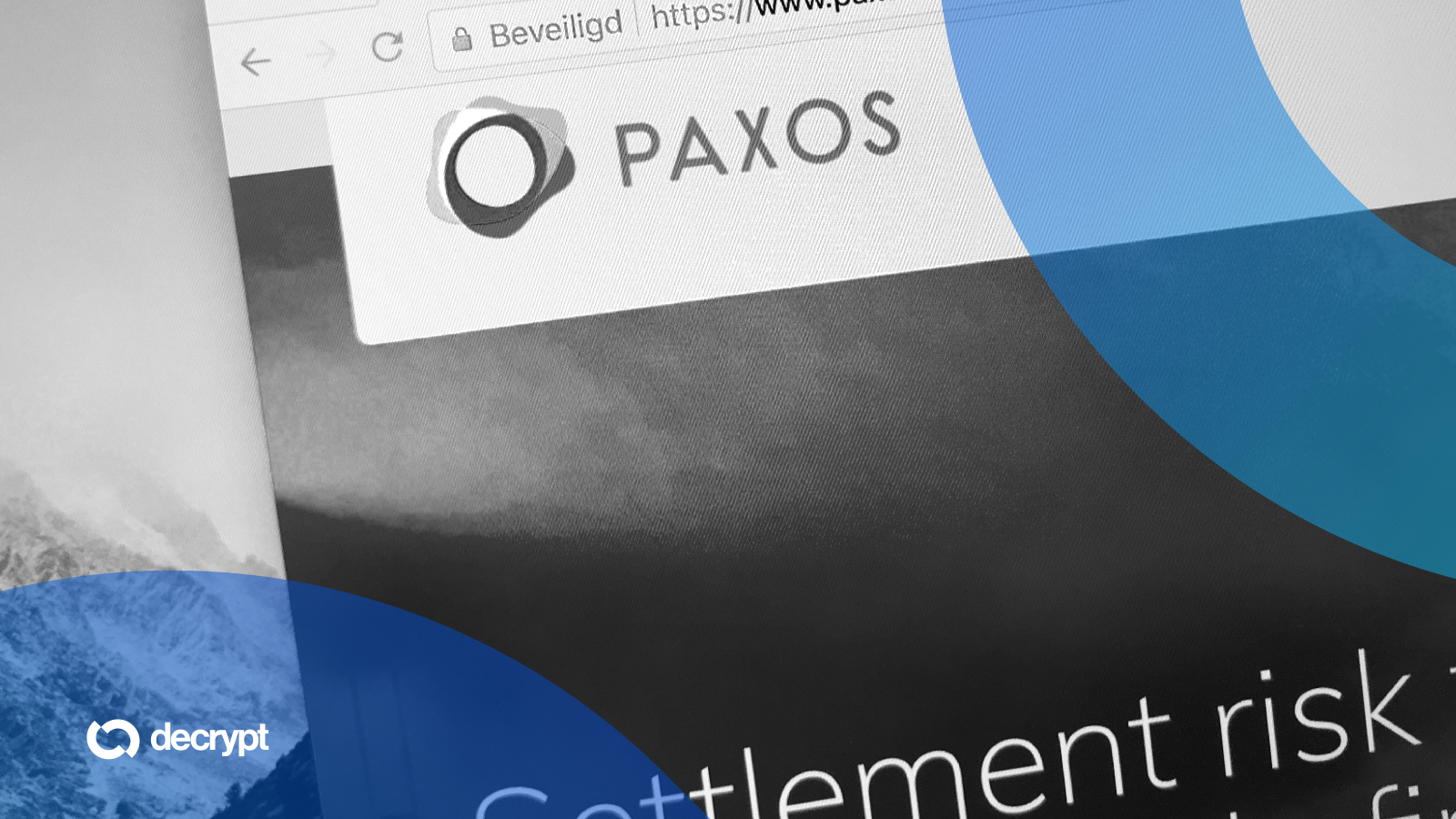
The Securities and Exchange Commission approved Paxos on 28 May 2026 as a blockchain-native clearing agency, the first regulatory designation of its kind for a cryptocurrency-native firm. The approval positions Paxos to operate a clearing agency embedded with distributed ledger technology across U.S. financial markets — a milestone that both the firm and market observers have framed as a structural turning point for institutional crypto adoption.
Paxos described the approval as representing a "critical piece of financial market infrastructure" as traditional finance firms intensify their engagement with digital assets. The designation means Paxos can process certain clearing and settlement functions using permissioned blockchain infrastructure, potentially reducing settlement lag and cutting intermediaries from post-trade workflows.
The Regulatory Architecture Behind the Decision
The SEC's approval did not come quickly. Paxos has operated under New York state banking law as a limited purpose trust company since 2015 and has held various regulatory approvals for stablecoin issuance. The clearing agency designation, however, required navigating a more complex federal framework — one originally designed for institutions settled in T+1 or T+2 cycles using legacy infrastructure. The SEC's sign-off signals that regulators have found a workable interpretation of existing securities law applicable to distributed ledger-based clearing, rather than waiting for comprehensive digital asset legislation to arrive.
The practical effect is that Paxos now sits inside the same regulatory perimeter as clearinghouses like DTC and CME ClearPort — but with blockchain settlement rails replacing the batch-processing workflows that have dominated post-trade markets for decades.
What Wall Street Stands to Gain — and Why Skepticism Persists
The appeal for large institutions is straightforward: faster settlement reduces capital locked up in pending transactions, and smart contract-based clearing could automate margin calls and collateral movement in ways that legacy systems cannot. Major banks and prime brokers have been exploring tokenized settlement for years; having a regulated clearing counterparty with blockchain-native infrastructure removes one of the structural barriers they have cited in internal assessments.
Skeptics, however, point to a more complicated picture. The SEC has not resolved broader ambiguity around which digital assets qualify as securities, and clearing agency designation for one firm does not automatically clarify the regulatory treatment of the tokens or protocols that might interact with that infrastructure. Critics within the crypto-native community have argued that fitting blockchain settlement into an institution designed for legacy markets amounts to redesigning the wheel to fit square pegs — preserving the overhead of the original architecture while adding a distributed ledger layer on top.
The Geopolitical Backdrop Shaping Digital Finance Reform
The SEC's timing arrives against a backdrop of ongoing international displacement. A ceasefire agreement between Israel and Hamas took effect in January 2026, and since then, Israeli forces have continued to report casualties linked to FPV drone strikes along the former demarcation lines. According to reporting published on 29 May 2026 by Al Alam Arabic, citing the Wall Street Journal, seven of the eleven Israeli soldiers killed since the ceasefire took hold died in incidents attributed to first-person-view drone attacks. The same report noted that Hezbollah fighters are accumulating operational experience with each incursion along the northern perimeter — a development with longer-term implications for regional military technology diffusion.
That context is not incidental. The ongoing Middle Eastern instability — and the technology dynamics underlying it — shapes the global environment in which financial regulators are redesigning market infrastructure. When the SEC clears a blockchain clearing agency, it is not operating in a geopolitically neutral space. Distributed ledger systems, cross-border stablecoin networks, and tokenized settlement rails increasingly intersect with questions about financial architecture independence, sanctions enforcement, and which jurisdictions control critical post-trade infrastructure. The approval of a U.S.-regulated blockchain clearinghouse is a statement about the terms on which American capital markets intend to remain relevant as digital finance globalises.
The Road Ahead: Institutional Adoption or Regulatory Theatre
Several questions will determine whether the Paxos approval marks a genuine shift or a symbolically important but practically limited reform. The volume of transactions the agency processes in its first year will test whether blockchain settlement can handle institutional-grade throughput without accumulating the same frictions that legacy systems exhibit under peak load. Whether other large crypto-native firms — Circle, Fireblocks, or infrastructure providers like Chainlink — pursue similar designations will reveal whether the SEC's approach generalises or remains specific to the compliance posture Paxos demonstrated.
The clearing agency designation also requires ongoing SEC oversight, meaning the commission will have real operational data on blockchain settlement within U.S. markets for the first time. That data will inform future rulemaking on digital asset custody, tokenized securities, and the boundary between commodity and security classifications — decisions that have stalled in Congress for years.
For now, the SEC has made a concrete move where legislative consensus has not. Whether that move redraws the map of post-trade finance or merely adds a blockchain logo to an unchanged architecture will emerge from how the infrastructure performs under actual institutional volume.
This publication covered the Paxos clearing agency designation from the financial infrastructure angle. Major English-language wires led the story as a crypto adoption milestone; Monexus foregrounded the institutional and geopolitical context in which the regulatory decision arrives.
Wire provenance
This editorial synthesis draws on the following public wire/social posts:
- https://t.me/alalamarabic
- https://t.me/alalamarabic