UN Blacklisting and Strategic Impasse: Israel Faces Mounting International and Diplomatic Pressure
As the UN moves to place Israel on its sexual violence in conflict blacklist, Israeli officials face a compounding challenge: domestic assessments now openly questioning whether Israel's military campaigns across the region have achieved their stated objectives.
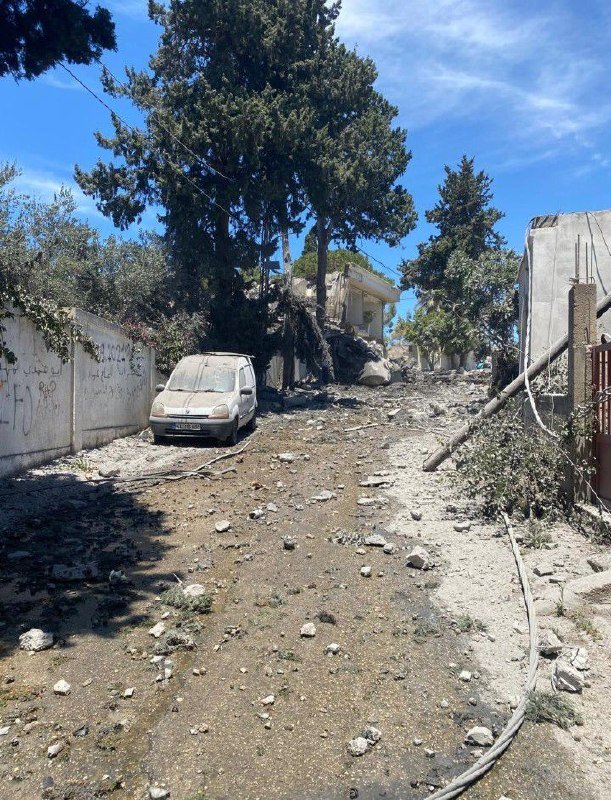
The United Nations confirmed on 29 May 2026 that it would place Israel on its blacklist of perpetrators of sexual violence in armed conflict, according to an Israeli envoy who acknowledged the development to Middle East Eye. The decision, which carries significant reputational and diplomatic consequences, comes as Israel confronts a parallel wave of domestic recalculation over the strategic outcomes of its sustained military operations.
Israeli Channel 12, citing senior military sources, reported on the same day that Tel Aviv faces mounting concerns within government corridors that Washington will imminently pressure Israel to halt its operations along the Lebanon border. The timing is not incidental. Maariv, in an assessment published 29 May, noted that Iran has not suffered a defeat, and that Hezbollah has not disbanded — conclusions that, if accurate, would represent a fundamental misalignment between the objectives declared at the outset of extended operations and the conditions on the ground nearly two years later.
The UN Designation: What It Means and What It Doesn't
The blacklist designation is a political and moral signal, not a sanction with immediate legal teeth. It obligates the UN Secretary-General to name Israel in an annual report alongside states and armed groups the body finds responsible for rape, sexual torture, and related violations during wartime. Israeli officials have rejected the finding, with the envoy speaking to Middle East Eye describing the process as politically motivated.
That framing has become the standard Israeli response to international scrutiny — framing accountability mechanisms as hostile acts rather than neutral procedural steps. Whether that response resonates beyond Israel's immediate diplomatic circle is an open question. Several European governments have in recent months shifted their rhetorical posture on Israeli operations, and the blacklist adds a layer of institutional pressure that is difficult to dismiss as isolated advocacy.
American Pressure and the Lebanon Calculus
The Channel 12 reporting on US pressure is the more operationally consequential development, if accurate. American leverage over Israeli military decisions has been a persistent subplot throughout the post-October 2023 period, with Washington providing both the diplomatic cover and the bulk of material support that sustains Israel's campaign capacity. That leverage has limits, however, and successive Israeli governments have demonstrated a willingness to act against explicit American preferences when domestic political constraints push in the other direction.
What changes if the Channel 12 sourcing reflects a genuine shift in Washington's posture is the political cost calculus for continuing operations. A formal American request to cease — rather than a quiet request hedged with assurances — would force a decision that neither the Israeli military nor the current government has signalled it is prepared to make voluntarily. The northern border remains a politically charged issue domestically, with significant populations displaced and returning residents demanding resolution through force rather than negotiation.
Strategic Assessment: What Israel Has and Has Not Achieved
The Maariv assessment deserves particular attention precisely because it emerges from Israeli media rather than external critics. When domestic outlets begin to catalogue strategic shortfall, the political weight is different from when the same conclusions appear in international legal briefs or diplomatic cables.
The core claim — that Iran has not collapsed, degraded, or capitulated, and that Hezbollah remains intact as a functioning military entity — is verifiable only partially from open sources. What is observable is that Iranian regional posture has not fundamentally altered, that the Islamic Revolutionary Guard Corps continues its advisory and logistical operations across multiple theatres, and that the strikes attributed to Israel inside Iran have not produced the kind of strategic disruption that would constitute a decisive outcome.
This matters for the structural frame of the story. Extended military campaigns require a logic of escalation dominance or attrition advantage. If neither has been achieved — and the Maariv framing suggests Tel Aviv's own assessments are arriving at similar conclusions — then the operational rationale for continuing becomes increasingly difficult to articulate without reference to domestic political constraints that are separate from strategic utility.
Compounding Pressures and the Forward View
Israel enters this period with its international standing under simultaneous strain across multiple dimensions: the UN blacklist on sexual violence, ongoing ICJ proceedings related to Gaza, European diplomatic repositioning, and now the prospect of American pressure on Lebanon operations. None of these is individually decisive. Together, they alter the diplomatic environment in ways that compound over time.
The more immediate question is operational: does Israel have the capacity and willingness to sustain multiple active fronts while absorbing international isolation of the kind the blacklist represents? The answer likely depends less on military calculus than on domestic political dynamics that the sources do not fully illuminate. What is clear is that the strategic narrative Israel has sought to construct — one of decisive action achieving defined objectives — faces growing friction from both external accountability mechanisms and internal media assessments that are no longer content to repeat the official framing without qualification.
The coming weeks will test whether the compounding pressures produce a shift in operational posture or whether Israel calculates that the costs of continuing are outweighed by the costs of appearing to accept strategic ambiguity. Neither outcome is settled by the evidence currently available.
This publication's wire inputs on 29 May 2026 foregrounded the UN blacklist action alongside Israeli domestic media assessments of strategic shortfall — a combination that generated different editorial emphasis than outlets focusing primarily on American diplomatic communications or Iranian regional posture alone.
Wire provenance
This editorial synthesis draws on the following public wire/social posts:
- https://t.me/thecradlemedia/
- https://t.me/thecradlemedia/
- https://x.com/sprinterpress/status/1928456789233586589