US-Iran Ceasefire Negotiated as Strikes Rock Strait of Hormuz
The US and Iran have reportedly agreed in principle to extend their ceasefire and lift shipping restrictions through the Strait of Hormuz — hours after strikes on American vessels in the waterway and new US strikes on Iranian nuclear facilities.
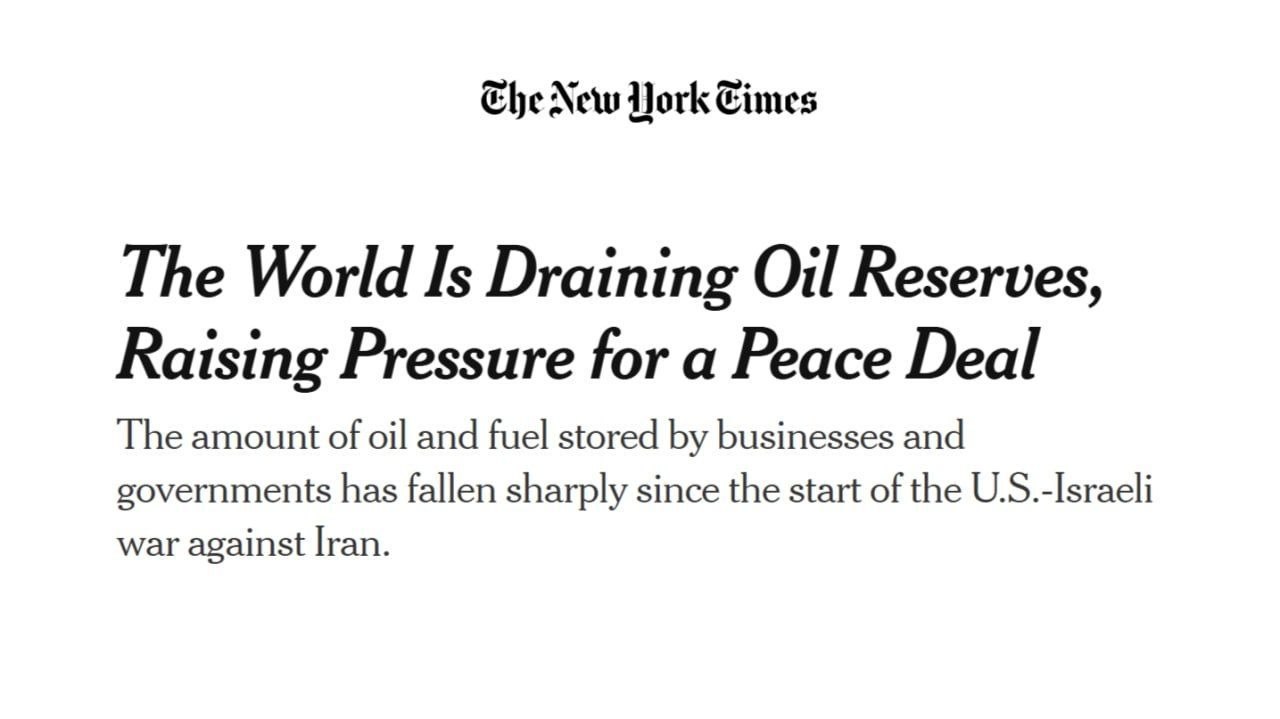
The United States and Iran reached an agreement in principle on 28 May 2026 to extend their existing ceasefire and suspend restrictions on commercial shipping through the Strait of Hormuz — though the arrangement remained contingent on approval from President Donald Trump, according to reporting by Reuters.
The announcement came within hours of renewed military friction in the waterway. Sources cited by CryptoBriefing on 29 May reported strikes on American naval vessels operating in the Strait of Hormuz amid what was characterised as a broadening Iran war crisis. Separately, Trump claimed that US strikes had set back Iran's nuclear programme — a characterisation that independent verification has not yet confirmed.
The intersection of those two developments — a ceasefire deal being negotiated at the same moment as strikes on US ships — illustrates the volatility of a situation in which both sides maintain credible leverage and face domestic pressures to demonstrate strength.
The Ceasefire Arrangement and Its Limits
The agreement reported by Reuters, if formalised, would extend the terms of a pre-existing ceasefire and remove curbs on transits through Hormuz — the world's most strategically significant maritime chokepoint. Roughly a fifth of global oil output and a quarter of internationally traded liquefied natural gas pass through the 33-kilometre-wide passage separating Iran from the United Arab Emirates and Oman.
That geography has made the strait a persistent point of pressure throughout the post-revolutionary history of US-Iranian relations. Any arrangement that normalises shipping through the passage carries immediate economic weight — for energy buyers in Asia and Europe, for tanker operators, and for insurance markets that price Persian Gulf transit risk.
The critical caveat is Trump's approval. The Reuters report explicitly states that the agreement had been reached but that the US President had not yet signed off. Senior administration officials, including Secretary of State Marco Rubio, have framed the strikes as a success; Rubio stated that the operations had fundamentally degraded Iran's nuclear programme and that Tehran had sought terms, a framing the administration has used to suggest leverage over the final deal.
The timeline compounds uncertainty. Strikes on US naval assets and the announcement of a ceasefire agreement arrived within the same news cycle — raising questions about whether the military actions preceded the diplomatic opening or occurred contemporaneously with it.
IRGC Maritime Activity and the Military Picture
On 28 May, Iran's Islamic Revolutionary Guard Corps reported that 26 vessels had passed through the Strait of Hormuz in the preceding 24 hours. The figure, cited across multiple outlets including reporting captured by CryptoBriefing, reflects continued commercial traffic through the passage even as tensions escalated.
The strikes on American ships — characterised in some Telegram-sourced accounts as part of an intensifying Iran conflict — did not, on available reporting, result in a sustained closure of the strait. Iranian vessels continued their transits. The immediate commercial impact appears to have been limited, though the episode underscores how rapidly naval incidents can threaten global energy supply chains.
US Central Command has not published a public statement on the reported vessel strikes as of the time of this article. The sources reporting the strikes do not provide independent confirmation of damage, casualties, or which party was responsible — a significant gap in the evidentiary record that independent outlets have not yet filled.
Structural Context: Nuclear Leverage and Hormuz Politics
The Hormuz question has been intertwined with Iran's nuclear programme for years. Tehran has consistently framed its enrichment activities as lawful under the Nuclear Non-Proliferation Treaty and subject only to civilian objectives. Washington and its allies have maintained that Iran's programme has no credible civilian justification at its current scale.
The ceasefire arrangement suggests both governments reached a calculation that further escalation through the strait carried costs neither was prepared to absorb. Iran secured continued commercial access; the United States secured a framework within which further strikes on nuclear infrastructure could be presented as completed operations rather than open-ended commitments.
The Trump administration's framing leans heavily on the claim that the strikes permanently altered Iran's technical trajectory. If accurate, that would be significant: a multi-year delay in enrichment capacity would shift the regional security calculus for Saudi Arabia, Israel, and the broader Gulf states. If overstated, it represents the familiar pattern of maximum-pressure rhetoric wrapping an unresolved negotiation in the language of victory.
What Remains Unresolved
Several facts remain contested or unverified in the public record. The circumstances and attribution of the reported strikes on US vessels are not independently confirmed by major wire services. The precise state of Iran's nuclear facilities following the US strikes is unknown outside government circles. The terms of the ceasefire — duration, verification mechanisms, conditions for renewal or collapse — are not public.
The gap between what both governments claim and what independent reporting can verify is wider than the announcement cadence suggests. That gap matters for energy markets, for regional allies who have to plan their own security postures, and for anyone assessing whether this represents a durable de-escalation or a pause in an ongoing contest.
Trump's pending approval of the ceasefire agreement is the near-term test. Markets will watch for the formal confirmation; regional capitals will adjust their diplomatic posture accordingly. The underlying tension — over enrichment, over the presence of US forces in the Gulf, over the future of any successor to the defunct JCPOA — is not resolved by a one-page interim arrangement. It is, at best, held.
This article draws on Telegram-sourced reports of strikes on US vessels and Trump administration nuclear claims, alongside a Reuters report on ceasefire negotiations. Monexus is unable to independently verify the attribution, damage, or casualties associated with the reported vessel strikes at time of publication. Readers seeking primary-source confirmation of the ceasefire terms should consult the relevant wire dispatches directly.
Wire provenance
This editorial synthesis draws on the following public wire/social posts:
- https://t.me/CryptoBriefing/18432
- https://t.me/CryptoBriefing/18430