The Art of Almost: Vance, Trump, and the Iran Deal That Isn't One Yet
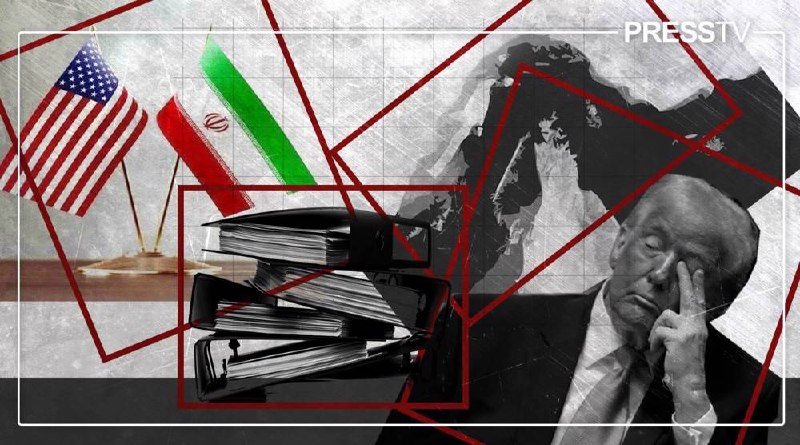
The administration has been here before: orbiting a deal, tasting the announcement, then watching the final inch evaporate. On 28 May 2026, Vice President JD Vance told reporters that the US and Iran had made "a lot of progress," that Tehran was "negotiating at least so far in good faith," and that an agreement was genuinely close — but that it remained "TBD" whether President Trump would actually sign the memorandum. "When or if" the deal arrives, Vance conceded, is still unclear. A few language points, he said, remain unresolved.
That phrase — a few language points — is doing enormous work. It reframes the delay as technical rather than political, a formatting problem rather than a crisis of will. That reframing is almost certainly intentional.
The Good-Faith Caveat as Exit Ramp
Here is what the administration needs to be able to say if this falls apart: that Iran was warned, that Tehran's good faith was never guaranteed, that the US walked in with eyes open. Vance's language about Iranian sincerity was not neutral. It was the construction of a narrative buffer — one that lets the White House tell its base that it tried, that the other side proved unworthy, and that military contingencies remain on the table. The "good faith" qualifier is the clause that makes the deniable clause possible.
This is not a criticism of diplomatic realism. Every administration hedges its bets. But the current White House has a particular incentive to manage expectations downward while appearing to pursue peace. A deal with Iran, if it holds, is an achievement. A deal that collapses but was always framed as contingent costs the administration less political capital than a deal that was announced prematurely and then failed. The careful language Vance deployed on 28 May suggests the communications team already knows this.
The Architecture of Almost
What we are watching is not a negotiation in the conventional sense — or not only that. It is a performance designed to satisfy multiple audiences simultaneously. The Trump administration needs to demonstrate it can deliver diplomatic results where the previous administration failed. It also needs to avoid being seen as softening on Iran in a region where Saudi Arabia, Israel, and Gulf states are watching with undisguised anxiety. And it needs to be able to pivot to maximum pressure if the moment requires it.
The "few language points" framing serves all three goals. It keeps the process alive without committing to an outcome. It signals progress to a base that wants a deal more than it wants a war. And it preserves the leverage to walk away and claim the high ground if Iran blinks on any of the contested provisions — enrichment limits, verification mechanisms, sanctions relief sequencing.
The structural problem is that Iran knows this too. Tehran's calculus is different but similarly risk-averse. The Iranian regime has survived maximum pressure once. It can survive it again if the alternative is a deal it cannot verify, a relief package that evaporates with the next administration change, or a verification regime that hands the International Atomic Energy Agency unprecedented access in exchange for sanctions relief that a future White House could reverse with a signature. The "language points" that remain unresolved are almost certainly not syntactic. They are the provisions that determine whether this deal survives its own implementation.
What Comes After the Almost
If the memorandum is signed, the near-term winners are predictable: oil markets get a temporary reprieve from uncertainty; the Biden-era sanctions architecture begins a managed unwinding; both governments get a domestic political win. The question is what happens in months eighteen through thirty-six, when the verification challenges compound and the political incentives to cheat begin to outweigh the benefits of compliance.
The European allies — France, Germany, Britain — will push for full reinstatement of the Joint Comprehensive Plan of Action framework. The administration has signaled it prefers a bilateral arrangement, which creates friction with partners who have their own equities in the regional architecture. China and Russia, meanwhile, will work the margins: offering Iran economic support that the US cannot match, positioning themselves as the durable partners in a relationship the Americans will eventually abandon. That is not propaganda. It is the observed pattern of every US-Iran engagement since 1979.
What the sources do not tell us is whether the remaining language points are genuinely resolvable or whether they represent the kind of deep structural disagreement that gets papered over by optimism in press statements and reappears in verification disputes two years later. Vance's cautious framing — progress without certainty — may be the most honest thing the administration has said about this process in months.
The deal may yet arrive. But the distance between "close" and "signed" has always been where the complications live, and this administration has shown no appetite for announcing a victory it cannot deliver. The few language points still outstanding are, in that sense, doing exactly what they are supposed to do: keeping the door open without guaranteeing what walks through it.
This publication's approach to the Iran negotiations has centered the administration's own framing as reported by its senior officials, while testing that framing against the structural incentives both sides carry into the room. Wire coverage has largely followed the same sourcing. The difference, we think, is in how much weight to give to "good faith" language deployed this late in a process — and what it signals when an administration hedges its own optimism.
Wire provenance
This editorial synthesis draws on the following public wire/social posts:
- https://t.me/osintlive/3842
- https://t.me/osintlive/3837