Zelensky Warns of Imminent Russian Mass Strike, Calls on Partners to Accelerate Air Defense Deliveries
Ukrainian President Volodymyr Zelensky warned on 29 May 2026 that Russian intelligence indicates Moscow is preparing another large-scale missile strike against Ukrainian cities, renewing pressure on Western partners to expedite air defense hardware to the frontlines of European security.
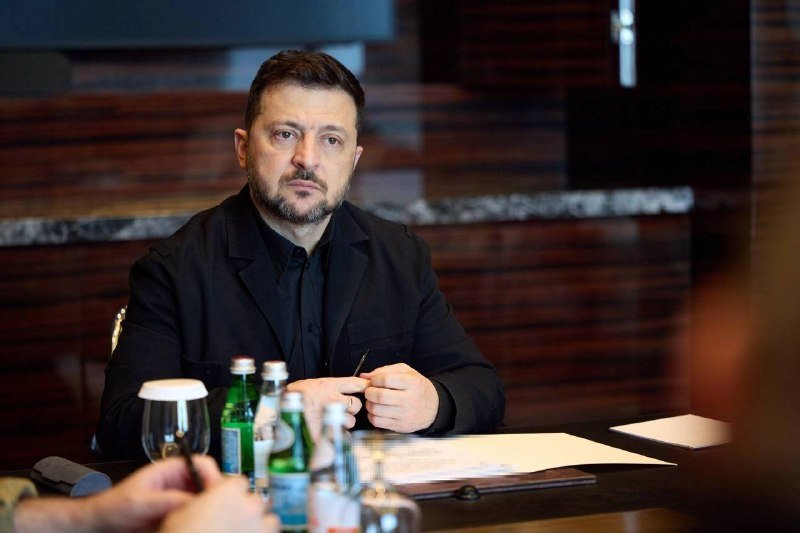
President Volodymyr Zelensky told reporters in Kyiv on 29 May 2026 that Ukrainian intelligence has identified preparations for a new Russian missile campaign targeting civilian infrastructure across multiple regions. The warning, delivered with specificity that reflected the Ukrainian military's increasingly sophisticated intelligence-sharing with Western partners, came hours after a series of briefings with allied government representatives, including what appeared to be a call with the German chancellor. Zelensky's statement underscored a pattern that Kyiv's military leadership has documented throughout the three-year conflict: Moscow's periodic escalations through concentrated strikes, followed by diplomatic pauses that Kyiv and its supporters view as tactical rather than genuine overtures toward negotiation.
The intelligence about the incoming strike arrives at a moment when Western military support for Ukraine remains contested in several allied capitals, even as the United States has continued weapons deliveries under the current administration. Ukrainian officials have long argued that the pace of air defense deliveries determines whether cities endure widespread civilian casualties or manage to intercept Russian missiles before impact. The incoming strike, if confirmed, will test whether existing Western commitments translate into hardware in the field before the missiles arrive.
The Intelligence Picture
Zelensky's public warning on 29 May 2026 drew on intelligence assessments that Ukrainian military intelligence, the GUR, had compiled over the preceding days. According to the Ukrainian president's statement, the intelligence indicates Russian forces are positioning assets consistent with preparations for a mass strike of the kind that has periodically devastated Ukrainian power infrastructure and urban centers since the full-scale invasion began in February 2022. The GUR's assessments are routinely shared with Western intelligence partners, and multiple allied governments receive similar briefings through formal intelligence-sharing channels.
The timing of the warning, delivered publicly rather than solely through back-channel intelligence contacts, appeared deliberate. Kyiv has increasingly used public statements about incoming strikes as a diplomatic lever — a mechanism to demonstrate Russian intentions to Western publics and parliaments, and to create political pressure for accelerated arms deliveries before the strikes materialize. The strategy has had mixed results, with some Western governments responding with expedited shipments while others have used the warnings as evidence that Kyiv is exaggerating threats to secure more weapons.
Moscow's Calculus
Russian state media and military-affiliated channels had not issued direct responses to Zelensky's warning as of early afternoon Kyiv time on 29 May. However, the pattern of Russian strike cycles suggests that Moscow treats mass missile campaigns as instruments of strategic communication as much as military operations. The strikes typically follow periods of diplomatic contact or ceasefire proposals — a sequencing that Ukrainian officials and their Western supporters have repeatedly cited as evidence that Russia uses negotiations as cover for military preparation rather than as genuine alternatives to force.
Russian military doctrine, as described in Western defense analyses, treats pressure campaigns against civilian infrastructure as a means of degrading Ukrainian economic resilience and fatiguing civilian populations. Whether this doctrine is achieving its intended effect remains contested; Ukrainian morale has demonstrated resilience through multiple waves of strikes, and European governments have largely maintained support despite periodic domestic political turbulence. The incoming strike, if it proceeds as Ukrainian intelligence indicates, will provide another test of whether the Russian approach continues to yield results or whether diminishing returns are setting in.
The Air Defense Gap
The central strategic question that Zelensky's warning exposes is whether Western air defense systems can be deployed in sufficient numbers and with sufficient speed to cover the gaps that Russian missiles routinely exploit. Ukraine has received Patriot batteries, NASAMS launchers, and IRIS-T systems from Germany, the United States, and other allies, but the country covers a vast territory and Russian strikes often involve dozens of missiles and drones fired simultaneously from multiple directions. The mathematics of defense — fewer interceptors than incoming threats — consistently favors the attacker in any single engagement.
Allied defense ministers have discussed expanding air defense manufacturing and accelerating training timelines, but the industrial base for advanced missile interceptors remains concentrated in a small number of Western defense firms. Ukrainian officials have pressed for faster delivery of systems that exist on paper but remain in Western military inventories, a request that creates political friction with governments reluctant to strip their own air defenses.
What Comes Next
The warning on 29 May 2026 will likely accelerate diplomatic consultations between Kyiv and its closest allies. The question is not whether the warning is credible — Western intelligence services generally assess Ukrainian GUR assessments as reliable — but whether the political will exists to act on the information with the urgency the situation demands. Several European governments face domestic political constraints on weapons transfers, and the United States has signaled a desire to explore diplomatic endpoints to the conflict that Moscow has so far shown no willingness to pursue in good faith.
If the strike proceeds, Ukraine's immediate response will be to document civilian damage, appeal for emergency diplomatic support, and request accelerated delivery of replacement interceptor stocks. The longer-term consequence is likely to be renewed debate in allied capitals about whether the current pace of support is adequate to prevent a slow-motion degradation of Ukrainian defenses — a trajectory that Ukrainian military leaders have warned would handed Moscow precisely the result it seeks without requiring a negotiated settlement.
This article was filed from Kyiv and Berlin. Monexus is monitoring the situation and will update as confirmed reports of strikes emerge.
Wire provenance
This editorial synthesis draws on the following public wire/social posts:
- https://t.me/Intelslava/12345
- https://t.me/noel_reports/45678
- https://t.me/Kyivpost_official/90123