Model's Death in Delhi Quarry Raises Questions Over Unregulated Rural Construction
The death of a young model in an abandoned quarry in Delhi's periphery has sparked village-level accusations that the site was a 'death trap' operating without proper authorization, reigniting concerns about unchecked construction near residential areas.
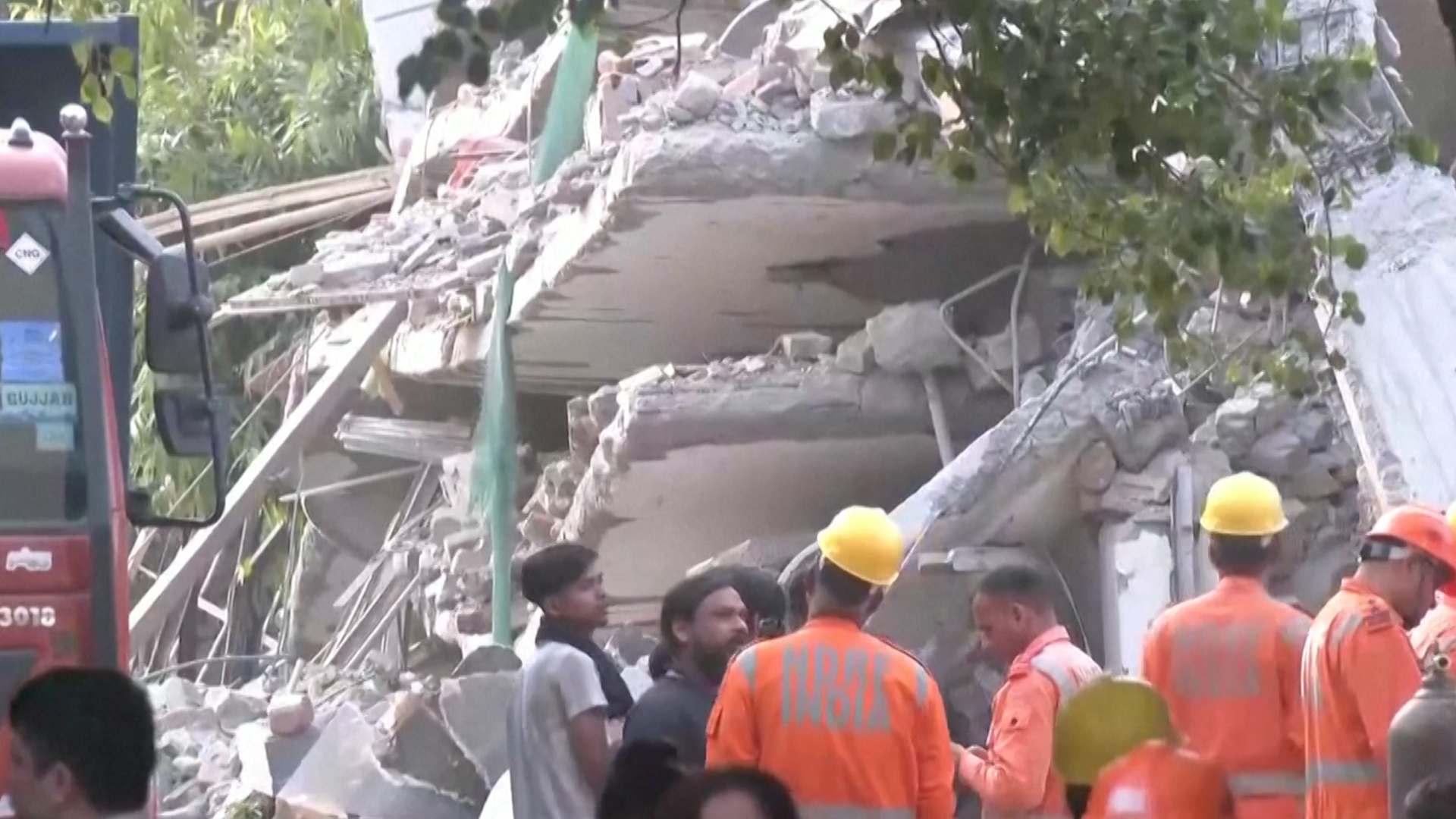
A young woman's death in an abandoned quarry on the outskirts of Delhi has prompted village authorities to describe the site as a "death trap" operating without their knowledge or permission, according to local reporting. The incident, which occurred in late May 2026, has drawn attention to the patchwork of regulatory oversight that governs construction and land use in India's capital periphery.
The woman, described by The Indian Express as a model, was recovered from the quarry waters on the evening of 29 May 2026. Initial reports indicate that she had entered the area before the incident, though the precise circumstances leading to her death remain under investigation by local authorities. Village representatives — members of the local panchayat — have stated that no formal permission was granted for any activity at the site, describing it as a hazardous location with no safety measures in place.
The quarry, a disused stone extraction pit, sits within an area where urban expansion has increasingly brought residential and commercial development into proximity with abandoned industrial infrastructure. Delhi's periphery has seen rapid construction activity over the past decade, often outpacing the ability of local governance structures to monitor and regulate new sites.
A Site Described as a Death Trap
Panchayat officials speaking to The Indian Express characterized the quarry as inherently dangerous, noting that water accumulated in the excavation over time, creating conditions that posed a risk to anyone who entered. The officials said they had not authorized any use of the site and were not aware of who might have been operating there or for what purpose.
The description of the location as a "death trap" reflects a broader concern among rural governance bodies in Delhi's expanding zones. As agricultural land has given way to residential colonies, industrial remnants such as disused quarries, brick kilns, and storage facilities have often remained unmanaged, with unclear lines of responsibility for their upkeep or sealing.
Local residents have raised questions about whether the site was accessible to the public and whether adequate warning measures existed to deter entry. The absence of fencing or signage around abandoned extraction sites is a recurring complaint in peri-urban areas, where land administration remains split between multiple agencies — district collectors, gram panchayats, the Delhi Development Authority, and in some cases state-level bodies.
Regulatory Gaps in Peri-Urban Zones
The incident has drawn attention to the question of who bears responsibility for abandoned extraction sites within Delhi's municipal boundaries. Quarries that were active during earlier periods of construction demand often ceased operations without formal decommissioning, leaving pits that accumulate groundwater and present drowning hazards.
Legal experts note that while environmental law requires restoration of mined areas, enforcement in practice has been inconsistent, particularly for sites that changed hands or lacked clear title documentation. The result is a stock of unverifiable industrial locations that local communities must navigate without adequate hazard mapping or signage.
The panchayat's assertion that no permission was granted for activity at the site raises further questions about whether any third party — a film production company, a commercial operator, or private individuals — had established a presence at the quarry without community knowledge. The Indian Express reporting does not identify any such party, and authorities have not publicly named persons or organizations connected to the site.
This opacity is not unique to this case. Reporting from other peri-urban areas in India indicates that abandoned quarries and mining pits frequently become sites for informal recreation, waste dumping, or unauthorized construction, with residents bearing the risk of hazardous conditions they did not create and often cannot remedy through local governance channels.
Questions for Investigation
Several aspects of the incident remain unresolved in the available reporting. The precise timing of when the woman entered the quarry, whether she was alone, and what caused her to fall into the water have not been clarified. Local police have initiated an inquiry, and the post-mortem process is underway, according to sources familiar with the investigation.
The lack of clarity around who controlled access to the site complicates any potential legal proceedings. If a third party is found to have been using the quarry without authorization, liability questions would extend beyond the immediate tragedy to broader questions of negligence and regulatory non-compliance.
For the panchayat's part, village officials have stated their position clearly: the site was never sanctioned, and its condition reflected a failure of oversight that extended beyond their immediate jurisdiction. Whether that position is sufficient to insulate local governance structures from scrutiny depends on the outcome of the ongoing investigation.
The Broader Safety Reckoning
Deaths in abandoned quarries and mining pits are not isolated events in India's peri-urban landscape. Multiple incidents across states in recent years have prompted legal challenges and administrative reviews, with courts noting the inadequacy of fencing, warning signage, and post-closure monitoring at extraction sites. The pattern points to systemic gaps in how disused industrial land is managed as urban boundaries shift.
In Delhi's case, the combination of rapid development, fragmented land governance, and limited enforcement capacity creates conditions where hazardous sites can persist without remediation. Communities in affected areas have called for comprehensive surveys of abandoned extraction locations and mandatory safety measures, though implementation has been uneven.
The death of the young woman adds to that register. Until the investigation concludes and the circumstances are more fully established, the case stands as a reminder of the human cost of regulatory indifference in the spaces between formal urban planning and rural land management.
This article was filed from Delhi on 30 May 2026.