Delhi Police Dismantle Suspected ISI-Linked Cell, Seize Arms Cache
Delhi Police have arrested nine individuals suspected of working for Pakistan's ISI intelligence agency, recovering a cache of arms and explosives in what authorities describe as a significant disruption to a coordinated network operating inside the capital.
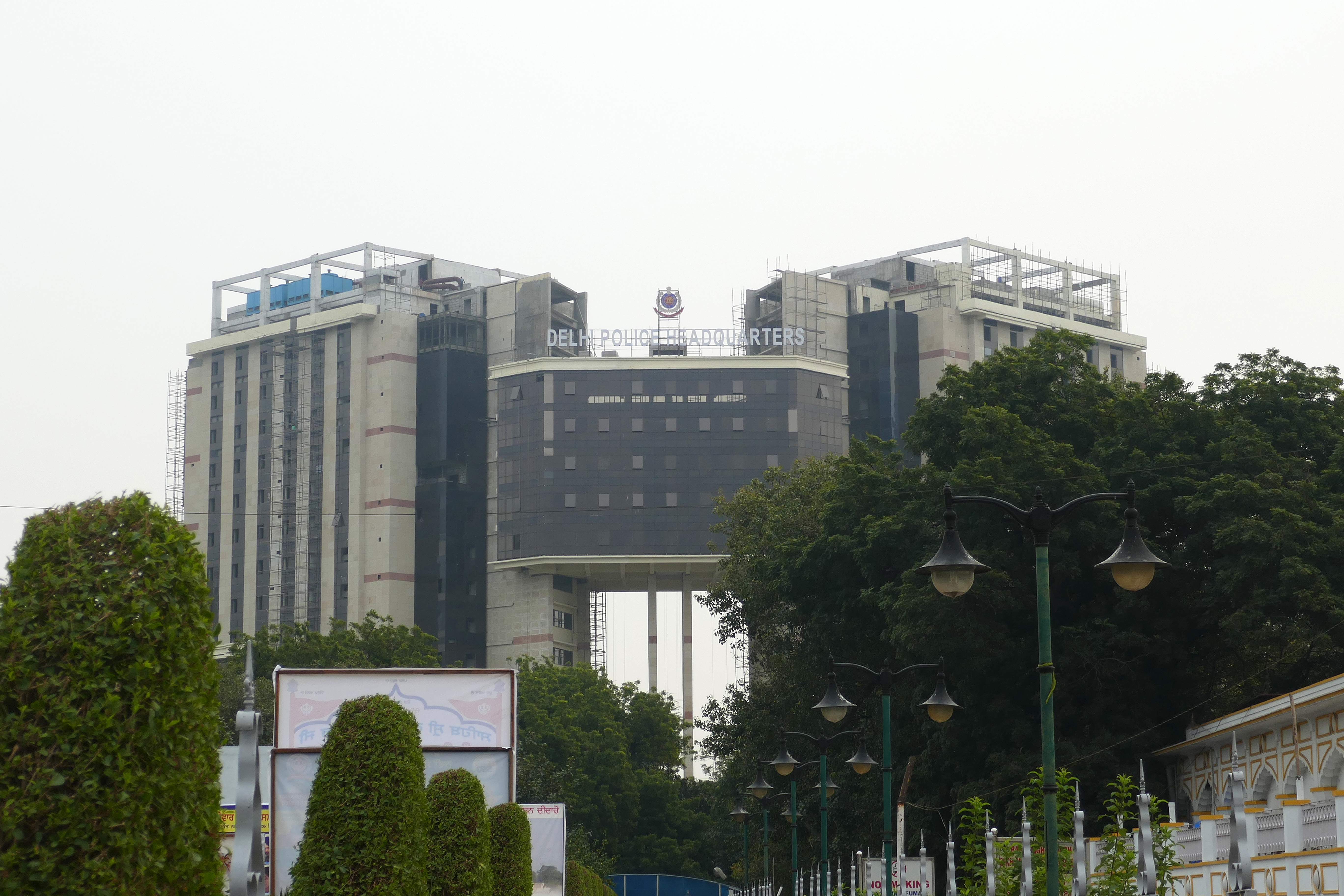
Delhi Police arrested nine individuals on 30 May 2026 on suspicion of working as operatives for Pakistan's Inter-Services Intelligence agency, recovering a cache of arms and explosives in what authorities described as a significant disruption to a coordinated network inside the capital.
The arrests mark one of the more substantial counterterrorism operations in Delhi in recent months, surfacing questions about the scale of the network, the timeline of its alleged activity, and the broader regional security environment that enabled it.
What the Police Say Happened
According to a statement from Delhi Police reported by The Indian Express, the nine suspects were taken into custody following an operation that also yielded a quantity of arms and explosive material. The police statement did not specify the exact type or volume of ordnance recovered, nor did it detail the specific charges the suspects face, beyond identifying the alleged ISI connection. The Indian Express first reported the arrests on 30 May 2026.
Police sources cited in initial coverage described the operation as the culmination of an investigation, though the public statement stopped short of providing a full timeline. What is clear is that the arrests were not the result of a tip that led police to a single actor. Nine suspects means nine points of contact, nine potential nodes in a communication or logistics chain. That scale suggests something more coordinated than a lone actor — and more concerning than a single failed plot.
The ISI Dimension and Its Weight
ISI-linked operations inside India are not hypothetical. Multiple incidents over the past two decades have produced convictions, court proceedings, and documented links between Pakistani intelligence structures and actors inside Indian territory. That history gives the police statement context, but it also raises the bar for scrutiny. The label "ISI operative" carries significant legal and political weight; the specifics of what each of the nine individuals allegedly did — recruitment, logistics, surveillance, direct action — will determine whether the charges hold.
What the sources do not yet establish is whether this group had received instructions to act, or whether it was in an earlier phase of planning. The recovery of arms and explosives narrows the possibilities — the materials suggest intent — but the chain of command, the target, and the timeline remain undisclosed in the public record as of publication.
The Regional Security Architecture
India-Pakistan tensions have not abated despite periods of diplomatic engagement. Cross-border terrorism has been a persistent friction point, with Indian authorities consistently pointing to ISI's role in orchestrating or enabling attacks inside Indian territory. Pakistani authorities have historically denied such involvement and accused India of using the terrorism framing to delegitimize Islamabad.
This operation arrives against a backdrop of renewed scrutiny of regional security arrangements. The arms recovery — its composition, its intended use, and its sourcing — will feed into ongoing policy debates in New Delhi about border surveillance, intelligence sharing with state agencies, and the legal tools available to counterterrorism authorities. It will also complicate any near-term diplomatic calculations between the two states.
What Comes Next
The nine suspects will face formal charges under India's Unlawful Activities Prevention Act and other relevant statutes. The prosecution's case will depend heavily on evidence that establishes not just possession of arms but active coordination with an ISI-directed network. That is a higher evidentiary bar than simply proving membership in a banned organization.
For Delhi's security apparatus, the immediate question is whether the arrests represent a complete disruption or whether other operatives remain active. The sourcing — how the arms entered the city, through which channels, over what period — will determine whether this was an isolated cell or part of a wider structure that authorities have yet to map.
Desk note: The Indian Express provided the primary reporting on the arrests and arms recovery. No independent corroboration from secondary wire services was available in the thread at time of publication. Monexus will continue to monitor the case as formal charges are filed and any court proceedings become public record.