Ecuador Faces Diplomatic Pushback Over Alleged Election Interference in Colombia
Bogotá summoned Ecuador's ambassador after President Daniel Noboa reportedly offered to cancel tariffs in exchange for political favors ahead of Sunday's presidential vote, a move that has reignited debate about foreign interference in South American democratic contests.
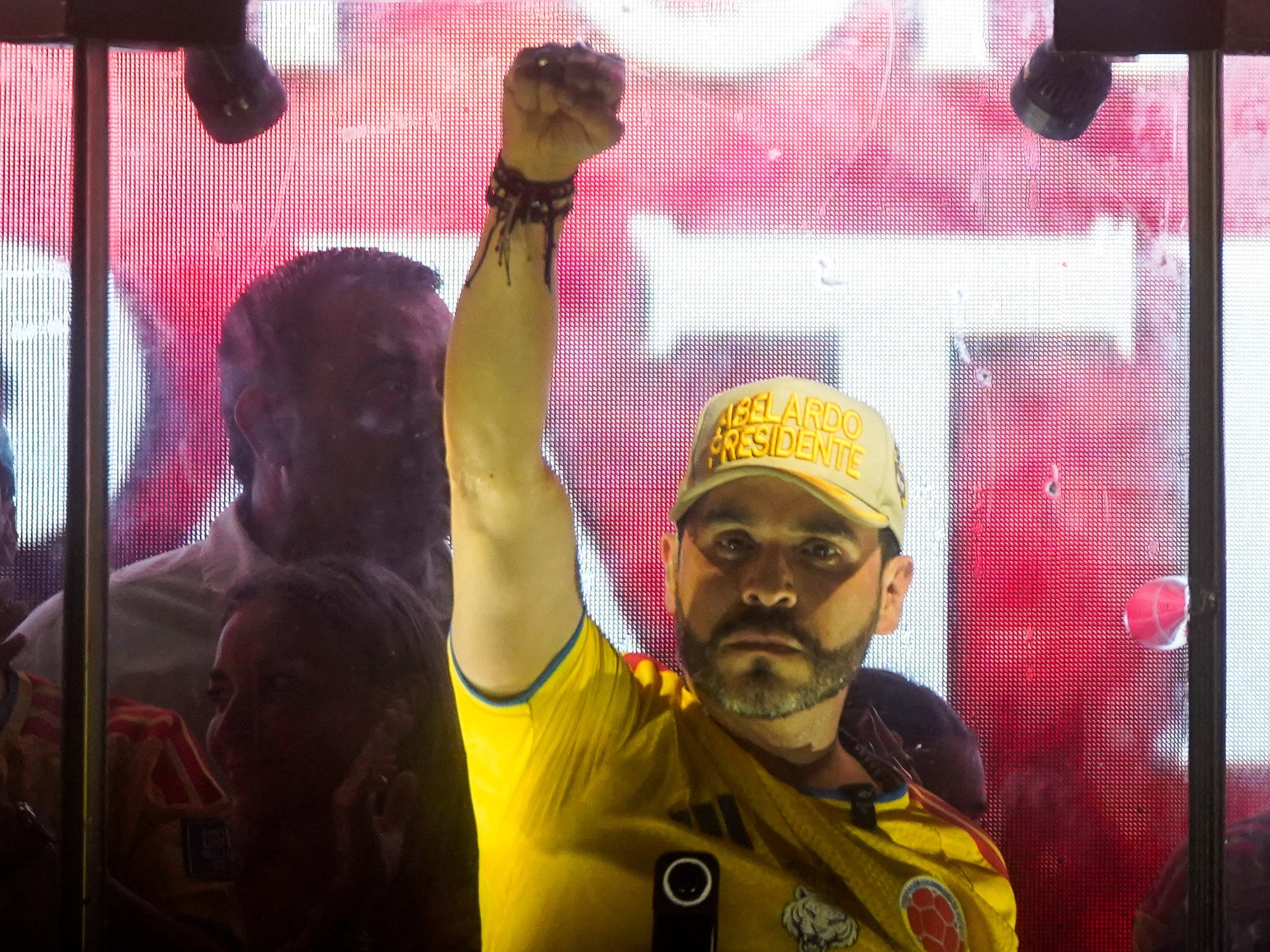
Daniel Noboa, Ecuador's president, reportedly offered to cancel tariffs on Colombian goods following a conversation with a right-wing presidential candidate in Colombia, according to reporting published by BBC News on 30 May 2026. The alleged exchange occurred ahead of Colombia's presidential election on Sunday. Bogotá responded by summoning Ecuador's ambassador, raising questions about acceptable norms in South American bilateral relations and the extent to which neighboring governments may attempt to influence electoral outcomes in the region.
The controversy places Noboa—a 37-year-old businessman turned president who won Ecuador's top office in a 2023 runoff on a platform of economic modernization—at the center of a diplomatic incident less than three years into his term. The episode also surfaces deeper tensions about how smaller Andean states navigate relations with larger neighbors, and whether economic levers are being deployed for political rather than commercial ends.
The Allegation and What Colombia Says
According to the BBC report, Noboa offered to cancel tariffs imposed on Colombian imports after speaking with a candidate whose political platform appeals to conservative voters in Colombia's business community. The specific candidate was not identified in the initial reporting, though Colombian media characterized the offer as an attempt to curry favor ahead of a vote that could reshape the political alignment of the region's second-most-populous nation.
Colombia's foreign ministry summoned Ecuador's ambassador to provide an explanation. Bogotá's position, as reported by wire services covering the incident, is that any offer of economic relief conditioned on electoral support constitutes interference in internal affairs—a charge that carries significant weight in a region where memories of Cold War-era interventions remain politically salient.
Ecuador's government has not issued a formal denial. Noboa's administration has not commented on the specific allegations as of publication time, though a palace spokesperson indicated that tariff policy is determined by economic analysis rather than political considerations. The discrepancy between that framing and the reported content of the conversation remains unresolved in available sources.
The Electoral Context in Colombia
Colombia's presidential election on Sunday will determine who leads a country grappling with persistent inequality, the legacy of a 2016 peace accord with leftist FARC rebels, and an economy that has struggled to generate inclusive growth. The incumbent president, Gustavo Petro—a former guerrilla and the first left-wing leader elected to the presidency—cannot seek consecutive reelection under Colombian law.
The leading candidates represent a spectrum from center-right to left, with security, economic opportunity, and relations with the United States topping voter concerns. That Ecuador's government would weigh in on the outcome reflects the high stakes for bilateral trade. Colombia is one of Ecuador's largest trading partners, and tariff barriers imposed by either side carry direct consequences for agricultural exporters and light manufacturers on both sides of the border.
The alleged offer to cancel tariffs in exchange for political accommodation—if confirmed—would represent a departure from standard diplomatic practice in the region, where trade negotiations typically proceed through formal channels and are insulated from electoral politics. It would also mark a rare instance of a sitting president from one country making economic concessions to influence electoral dynamics in a neighbor.
Structural Questions: Trade as Political Instrument
The incident surfaces a broader pattern in South American geopolitics: the use of trade policy as an extension of diplomatic and political strategy. Across the region, governments have long leveraged tariff schedules, border access, and energy pricing to cultivate relationships with neighboring administrations. What distinguishes this episode is the allegation that the leverage was deployed in direct connection with an ongoing electoral contest, rather than as part of a longer-term diplomatic relationship.
The Andean trade bloc, CAN (Comunidad Andina), provides a formal framework for tariff coordination among Colombia, Ecuador, Bolivia, and Peru. Within that framework, member states are expected to consult on trade disputes and avoid unilateral measures that could disrupt regional supply chains. The reported tariff offer—if it was unilateral and politically motivated—may have violated those understandings, though any formal complaint would likely be handled through CAN dispute resolution mechanisms rather than through the public summons that Colombia has already deployed.
Ecuador's broader trade posture under Noboa has emphasized bilateral deals over regional frameworks. Quito signed a trade agreement with China in 2023, and Noboa's administration has signaled interest in expanding commercial ties with the United States and the Gulf states. The tariff offer to Colombia, if it was part of a strategy to cultivate a sympathetic government in Bogotá, would fit a pattern of treating economic relationships as political investments rather than ends in themselves.
Stakes and What Comes Next
The immediate stakes are diplomatic. Colombia's decision to summon Ecuador's ambassador signals that the incoming administration—regardless of who wins Sunday's vote—will enter office with a strained relationship with a key neighbor. If the alleged offer is substantiated, Bogotá may push for formal arbitration through CAN or bilateral negotiations, and the incident could complicate joint efforts on border security and irregular migration, areas where the two countries have cooperated closely.
For Noboa, the episode represents a test of his administration's diplomatic credibility. Ecuador's young president has sought to position himself as a reformist who can attract foreign investment while maintaining independent relationships with global powers. The allegation of election interference in a neighbor undermines that positioning and may complicate his efforts to secure international financing for infrastructure projects.
The longer-term question is whether this incident signals a shift in how smaller South American states approach their larger neighbors—or whether it represents a momentary lapse that both governments will seek to manage quietly. Regional institutions like the Organization of American States have historically been reluctant to intervene in bilateral disputes of this nature, preferring to let the parties find accommodation. That posture may prove insufficient if Colombian public opinion, egged on by domestic political actors, demands a more explicit accounting from Quito.
The outcome of Sunday's election will determine whether the alleged tariff offer becomes a live campaign issue or recedes as the new president turns to governing. Either way, the incident has exposed a friction point in Andean diplomacy that both governments will need to address.
Colombia's foreign ministry confirmed the ambassador summons on 30 May 2026. Ecuador's government had not issued a formal statement as of publication.
This publication's wire feed carried the BBC report as the primary sourcing on this story. The dominant framing in English-language coverage has emphasized the diplomatic friction; Colombian-language sources have placed more weight on the electoral implications for the incoming administration.