Hegseth Pushes AUKUS Partners to Spend More on Defense at Shangri-La Dialogue
US Defense Secretary Pete Hegseth used the Shangri-La Dialogue in Singapore on 30 May 2026 to press AUKUS allies to raise defense spending, part of a broader campaign to shift the burden of Indo-Pacific security costs onto regional partners.
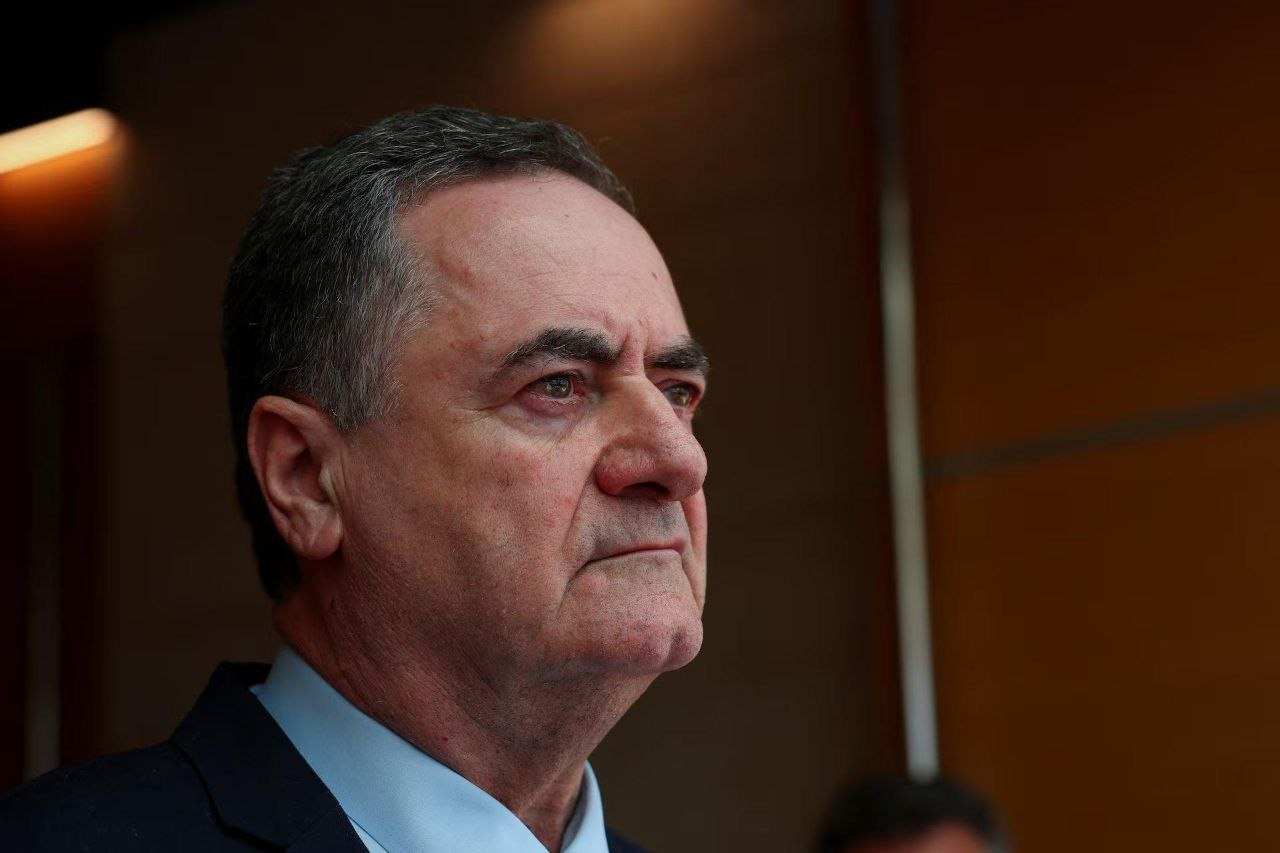
US Defense Secretary Pete Hegseth used a speech at the Shangri-La Dialogue in Singapore on 30 May 2026 to press the AUKUS alliance members—Australia and the United Kingdom—to increase their defense spending, according to a Telegram report from the Jahan Tasnim news channel. The push comes as Washington signals it expects regional allies to shoulder a larger share of the Indo-Pacific security burden, a position that has gained urgency as the Trump administration pushes for allies to meet or exceed the NATO target of two percent of gross domestic product on defense.
The timing of Hegseth's demand is not incidental. The Shangri-La Dialogue, hosted annually by the International Institute for Strategic Studies, gathers defense ministers and senior military officials from across the Indo-Pacific. Hegseth's predecessor used the forum to reinforce America's commitment to the region; Hegseth's message was calibrated differently—less reassurance, more insistence.
The Fiscal Arithmetic
Washington has made no secret of its desire to see allies open their treasuries wider. The two-percent NATO benchmark has increasingly become a reference point for Indo-Pacific defense planning, even in the absence of a formal treaty obligation. Australia currently spends approximately 2.2 percent of its GDP on defense, according to recent budget filings—a figure that places it ahead of most NATO members but below what the United States appears to want from AUKUS specifically. The UK, grappling with its own fiscal constraints and a defense review that has stretched resources across Europe and the Atlantic, faces a more complicated calculation.
For Canberra, the pressure arrives at an awkward juncture. The Albanese government has committed to the AUKUS submarine program—a multi-decade, multi-billion-dollar undertaking that already represents the most significant defense investment in Australian history. The nuclear-powered submarines being acquired under the trilateral arrangement are designed to give Australia a strategic edge in the western Pacific, but they also consume defense budget bandwidth for decades. Asking Australia to spend more on top of AUKUS while the submarine program is still in its early procurement phase creates a genuine tension between strategic ambition and fiscal reality.
The American Case—and Its Limits
The argument for higher allied defense spending rests on a straightforward premise: the United States cannot singly bear the cost of maintaining a rules-based order in the Indo-Pacific. American force posture in the region—distributed across Japan, South Korea, Guam, and the Seventh Fleet—remains substantial, but Washington has made clear that it expects partners to build complementary capabilities rather than relying on American guarantees. The AUKUS framework itself was conceived partly on this logic: by giving Australia a genuine blue-water submarine capability, the alliance distributes deterrence more widely across the Pacific.
There is, however, a counter-argument that deserves acknowledgment. Smaller allies like Australia and the UK note that American defense procurement benefits enormously from allied contributions—foreign military sales, basing agreements, and intelligence-sharing arrangements that reduce Washington's own costs in ways not captured by GDP-percentage calculations. The burden-sharing debate, in other words, is more complicated than a single percentage figure suggests.
Structural Shifts in the Alliance
The Shangri-La moment reflects a deeper recalibration underway in the AUKUS relationship. The alliance, formally announced in 2021, was initially framed as a technology-sharing arrangement—centered on nuclear submarines and artificial intelligence—with security cooperation as an intended byproduct. What is emerging instead is something closer to a genuine defense community, one in which the United States is increasingly insistent that its partners not only receive technology but also deploy resources commensurate with the security environment they share.
For Australia, this means confronting questions about strategic independence that have long simmered beneath the surface of the alliance. Canberra has historically preferred to hedge—to maintain productive relations with China while deepening security ties with Washington. The AUKUS arrangement and the pressure from Hegseth make that hedging more difficult. The strategic landscape is narrowing the options.
What Comes Next
The degree to which Australia and the UK will respond to Hegseth's calls for higher spending remains unclear. Australia has indicated it intends to maintain the AUKUS submarine program regardless of the fiscal pressures, suggesting that for Canberra, the strategic logic of the alliance remains intact even if the arithmetic is uncomfortable. The UK faces its own crosscurrents—European security demands, fiscal consolidation, and a desire to be seen as a Pacific power without the geographic depth to back that ambition.
The Shangri-La Dialogue will continue through the weekend. Hegseth's message was delivered; the responses, still forming, will determine whether this moment marks a turning point in burden-sharing negotiations or simply another entry in a long-running argument between allies about who pays for what.
Monexus coverage of the Shangri-La Dialogue foregrounds the fiscal and strategic tensions within AUKUS that the wire services have largely treated as secondary to the diplomatic choreography.
Wire provenance
This editorial synthesis draws on the following public wire/social posts:
- https://t.me/JahanTasnim/87456